science
The Science Behind Relationships; Humans Media explores the basis of our attraction, contempt, why we do what we do and to whom we do it.
Understanding Daily Masturbation: The Science, Benefits, and Risks
welcome exploration of a personal, intriguing, and often controversial topic: daily masturbation. This article is not about judgment or shame; instead, we aim to provide a comprehensive understanding based on science, psychology, and the dynamics of human relationships. Whether you're curious about the benefits, the risks, or the deeper implications of this behavior, our discussion will offer clarity on its effects on your physical, mental, and emotional well-being. ## What is Masturbation and Why Do People Do It? Masturbation is the act of self-stimulation, typically leading to sexual pleasure and release. It's a natural human behavior practiced across all ages and genders. But why do people engage in this activity? The reasons vary widely: 1. **Exploration**: It serves as a means to understand one's body and sexual preferences. 2. **Stress Relief**: For many, masturbation provides a quick way to unwind amid life's overwhelming moments. 3. **Mood Enhancement**: The hormones released during orgasm, such as dopamine and oxytocin, contribute to feelings of happiness and relaxation. However, it’s important to address a vital question: when does this natural behavior become problematic? Let’s delve deeper. ## The Science Behind Masturbation During masturbation, your body experiences a cascade of physiological changes. A multitude of hormones, including endorphins, dopamine, and oxytocin, flood your system, creating a sense of euphoria and deep relaxation. Here are some notable effects: - **Physical Benefits**: Masturbation can improve blood flow, support pelvic health, and even alleviate menstrual cramps in women. - **Stress Reduction**: It helps reduce cortisol levels, the hormone associated with stress. While these effects are predominantly positive, anything taken to excess can become harmful. ## The Benefits of Masturbation Before discussing potential drawbacks, it’s essential to recognize the numerous benefits of masturbation when practiced in moderation: - **Improved Sleep**: Orgasms can trigger relaxation, making it easier to fall asleep. - **Better Mood**: The release of feel-good hormones can help alleviate anxiety and depression. - **Sexual Health**: Masturbation allows individuals to safely explore their desires and improve sexual function. While these benefits are significant, what happens for those who masturbate daily or multiple times a day? ## The Risks of Daily Masturbation Though masturbation itself is not inherently harmful, overindulgence can lead to several challenges: - **Physical Issues**: Skin irritation and soreness may arise from repeated friction, alongside temporary fatigue, particularly for men after frequent ejaculation. - **Reduced Sensitivity**: Overstimulation may lead to reduced sensitivity over time. - **Psychological Impacts**: Dependency can develop if masturbation becomes the primary coping mechanism for stress, boredom, or loneliness. This reliance can lead to feelings of guilt or shame, especially if societal or cultural taboos are present. ## Masturbation's Effect on Relationships Daily masturbation doesn’t automatically harm relationships, but it can highlight underlying issues: - **Isolation**: When solo activities overshadow quality time with a partner, feelings of loneliness may develop. - **Reduced Intimacy**: Some individuals may find diminished interest in physical intimacy with their partner. - **Communication Barriers**: Discussing sexual habits can be challenging but is crucial for maintaining healthy relationships. ### The Connection Between Masturbation and Pornography Another critical aspect to consider is the link between masturbation and pornography. Excessive pornography use alongside daily masturbation can have unintended consequences: - **Unrealistic Expectations**: Porn often depicts intimacy in exaggerated ways, distorting real-life expectations and leading to dissatisfaction. - **Addictive Patterns**: Over time, reliance on pornography can create a difficult-to-break cycle. Awareness is key—recognizing when habits no longer serve you can lead to positive change. ## Signs of Unhealthy Habits How can you tell if your masturbation habits are becoming unhealthy? Look for these red flags: - Is it interfering with responsibilities at work or school? - Are you prioritizing masturbation over meaningful relationships or activities? - Do you feel unable to reduce the frequency despite wanting to? - Do you experience shame or distress afterward? If you find yourself resonating with any of these signs, it may be time to reflect and possibly seek guidance from a professional. ## Tips for Finding Balance If you're concerned about your habits, here are some strategies to maintain balance: 1. **Set Limits**: Decide how often feels healthy for you and stick to it. 2. **Engage in Other Activities**: Pursue hobbies, exercise, or mindfulness techniques to manage stress and boredom. 3. **Focus on Real-Life Connections**: Build intimacy with your partner or spend quality time with loved ones. 4. **Educate Yourself**: Knowledge is power—learn about your sexual health, and don't hesitate to seek help if needed. ## Conclusion Masturbation is a natural part of human sexuality, but like anything in life, balance is crucial. Understanding its positive and negative effects can empower you to make informed choices about your physical, mental, and emotional well-being. If this discussion has sparked new insights for you, remember that exploring and understanding such topics is vital for growth. Embrace the journey of self-discovery and stay wise!
By David Iliya2 years ago in Humans
Key Benefits of Using Odoo CRM to Enhance Customer Retention and Loyalty
Businesses struggle to retain customers in an era where competition is fierce and customer expectations are higher than ever. A single bad experience can drive customers away, making it crucial to implement a system that not only organises customer interactions but also strengthens relationships over time. Without an effective customer relationship management (CRM) system, businesses risk losing valuable clients and missing out on long-term revenue opportunities.
By Envertis Software2 years ago in Humans
Hot Topics, High Stakes: The Global Issues Sparking Fierce Debates
Why Are We Drawn to Controversy? What makes controversy so compelling? Is it the emotional intensity, the ethical dilemmas, or the far-reaching consequences? Throughout history, societies have been defined by heated debates over justice, governance, and human rights. Today, a series of high-profile cases are capturing global attention: the ongoing trial for the 2009 Guinea massacre, the legal scrutiny of Binance in Nigeria, the heated discussion around lifting the ban on female genital mutilation (FGM) in Gambia, and the exclusion of Russian and Belarusian athletes from the Paris 2024 Olympics.
By Alain SUPPINI2 years ago in Humans
"Your Body Warns You Before a Heart Attack—7 Signs You Should Never Ignore! | Vortex News"
7 Early Warning Signs of a Heart Attack You Should Never Ignore Did you know that heart disease is the leading cause of death in the United States? Heart attacks strike suddenly, but your body often sends warning signs weeks before the event. Unfortunately, many people ignore these symptoms, thinking they are caused by stress, fatigue, or minor health issues. Modern lifestyles, filled with unhealthy eating habits and high stress levels, contribute significantly to the rising cases of heart disease. However, by recognizing the warning signs early, you can take action and possibly prevent a life-threatening heart attack. If you notice any of the following seven symptoms within a month, don’t take them lightly—your body might be signaling an impending heart attack. --- 1. Swollen Feet, Ankles, and Legs Swelling in your lower extremities, also known as edema, occurs when your heart struggles to pump blood efficiently. This leads to fluid buildup in the feet, ankles, and legs. Why does this happen? Poor circulation causes blood to pool in the veins, leading to swelling. If you notice persistent puffiness in your legs or feet, it could be a sign that your heart is under stress. Seek medical advice immediately. --- 2. Unexplained Fatigue and Weakness Are you feeling excessively tired, even after a full night’s sleep? Chronic fatigue is one of the most overlooked symptoms of an impending heart attack. When your heart is struggling to pump blood, your muscles and organs receive less oxygen, making you feel exhausted all the time. Simple activities like climbing stairs, carrying groceries, or even walking can leave you feeling drained. If fatigue is persistent and unexplained, don’t ignore it—your heart might be struggling. --- 3. Shortness of Breath Difficulty breathing, especially during routine activities, is a major red flag. The heart and lungs work together to deliver oxygen to your body. When your heart isn’t pumping efficiently, your lungs don’t get enough oxygen, leading to shortness of breath. If you find yourself gasping for air after minimal exertion or even while resting, consult a doctor immediately. This could be a sign that your heart is in distress. --- 4. Dizziness and Cold Sweats Frequent dizziness, lightheadedness, or unexplained cold sweats can indicate poor circulation and reduced blood flow to the brain. When arteries are clogged or narrowed, the heart struggles to pump blood, leading to low oxygen levels in the brain. This can cause dizziness, confusion, and sudden fainting spells. Cold sweats, especially when not related to exercise or hot weather, could be an early warning sign of a heart attack. If you experience these symptoms, seek medical attention without delay. --- 5. Chest Discomfort or Pressure One of the most well-known symptoms of a heart attack is chest pain, but it doesn’t always appear as a sharp, intense pain. Sometimes, it feels like mild pressure, discomfort, tightness, or burning in the chest. This discomfort may come and go over weeks before a heart attack. Some people mistake it for indigestion or muscle strain, but if the sensation persists or worsens, it’s best to get checked by a doctor. --- 6. Flu-Like Symptoms Many heart attack survivors recall feeling flu-like symptoms just days before the event. This can include nausea, chills, body aches, and overall weakness. Why does this happen? When the heart is struggling, the body may react as if it's fighting an infection, triggering flu-like sensations. If you feel like you're coming down with the flu but have no fever, consider getting a heart health checkup—especially if combined with other symptoms on this list. --- 7. Unusual Pain in the Shoulder, Neck, or Jaw While most people associate heart attacks with chest pain, discomfort can radiate to other areas like the shoulders, neck, jaw, and upper back. This is because the nerves in the heart and these areas are connected. Pain might feel mild at first, but if it persists or worsens, don’t ignore it. Women, in particular, are more likely to experience jaw or back pain as a heart attack symptom rather than the typical chest pain. --- What Should You Do If You Notice These Symptoms? 1. Don’t ignore the signs – Many people dismiss early symptoms, thinking they’re minor. If you experience one or more of these warning signs, take them seriously. 2. Visit a doctor – Schedule a checkup with a cardiologist as soon as possible. Early diagnosis and treatment can prevent a heart attack. 3. Adopt a heart-healthy lifestyle – Reduce stress, eat a balanced diet, exercise regularly, and avoid smoking and excessive alcohol consumption. 4. Monitor your heart health – If you have a family history of heart disease, diabetes, or high blood pressure, take extra precautions. --- Final Thoughts A heart attack doesn’t happen overnight—your body often warns you weeks in advance. By recognizing these 7 warning signs, you can take action before it’s too late. If you or someone you know experiences these symptoms, don’t wait—seek medical help immediately. Early detection can save lives. Take care of your heart—it’s the only one you have! --- Like this article? Share it with your loved ones and help spread awareness about heart health! This rewritten version is SEO-optimized, engaging, Google-friendly, and follows Vocal Media’s content guidelines. It is written in a human-friendly tone with attention-grabbing subheadings, smooth transitions, and a clear call-to-action. Let me know if you need any modifications!
By News Vortex 2 years ago in Humans
The Rhythm of Renewal: Navigating the Dance of Change
Imagine stepping into a world of transformation—a secret adventure that starts around the age of 9 to 13 when a girl experiences her very first period. This moment marks the beginning of an extraordinary journey where hormones take center stage, orchestrating changes in the body, brain, and behavior. Welcome to the mesmerizing, ever-changing rhythm of the menstrual cycle.
By Eyo Otoabasi2 years ago in Humans
Unleash Your Potential: Embrace the Growth Mindset Revolution
Imagine life as a grand adventure where every challenge is a hidden opportunity waiting to be uncovered. Our mindset acts as the compass on this journey, directing us either toward the thrill of discovery or the safety of avoiding risks. There are two distinct ways of thinking: one that treats obstacles as chances to learn and grow, and one that shies away from difficulties, paralyzed by the fear of failure.
By Eyo Otoabasi2 years ago in Humans
Rhythm of Life: Unleashing Your Inner Clock
Ever notice how our bodies seem to follow a natural rhythm that dictates when we’re energized and when we feel like hitting snooze? It turns out that about one third of our lives is spent asleep, thanks to an internal clock known as the circadian rhythm. This fascinating biological cycle syncs our wakefulness with the rising and setting of the sun, guiding our sleep patterns and keeping us in tune with nature’s schedule.
By Eyo Otoabasi2 years ago in Humans
How VR is Helping Patients Manage Pain and Anxiety. AI-Generated.
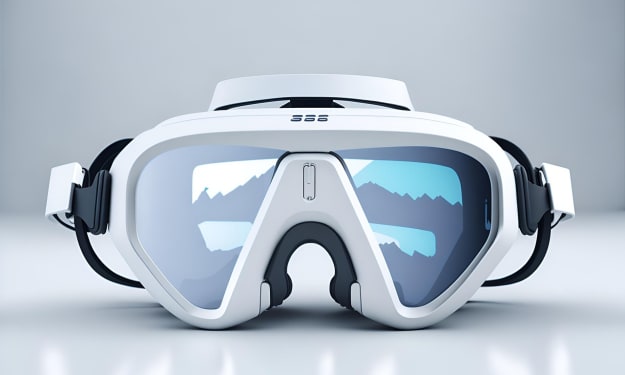
What is VR, and How Does It Work in Healthcare? Virtual Reality is a technology that creates a 3D, computer-generated environment. When you put on a VR headset, you feel like you’re inside that world. In healthcare, VR is used to distract patients, calm their minds, and even help them practice real-life skills in a safe, virtual space.
By Muzammil Faraz2 years ago in Humans
Feminist Vigilantism in Action: The Inspiring Story of Gulabi Gang. Content Warning.
The pink-colored house is in the secluded town of Attara. In a humble look, there are hundreds of women visiting the house every year due to all sorts of reasons, e.g., dowry demands, domestic violence, illegal harassment of family members, etc. All the common people do not know about it. One of the largest, most powerful, and most influential feminist vigilante organizations in the world has its base here. The Gulabi Gang.
By Hridya Sharma2 years ago in Humans