science
The Science Behind Relationships; Humans Media explores the basis of our attraction, contempt, why we do what we do and to whom we do it.
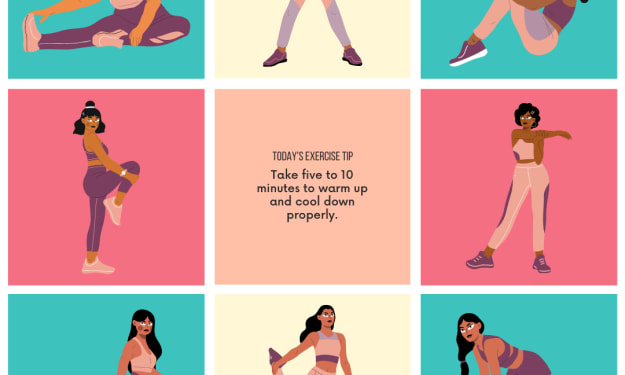
Exercise are daily needed to remain healthy. Content Warning.
Introduction : In today's sedentary lifestyle, where technology has made our lives more convenient and stationary, daily exercise plays a crucial role in maintaining and improving our overall health. Engaging in regular physical activity offers numerous benefits, ranging from physical fitness and weight management to mental well-being and disease prevention. This article explores the significance of incorporating daily exercise into our routines, discussing the various ways it positively impacts our physical and mental health.
By Afshan Parveen3 years ago in Humans
Why do Women have Period?
Care to learn about why women go through this process every month? Menstruation is a rare biological process shared by a handful of species on Earth. Did you know that monkeys, apes, bats, and humans are the only mammals that menstruate. We menstruate more than any other animal, even though it's a waste of resources and can be inconvenient. This process is used to create an internal haven for a mother to nurture her growing child during pregnancy - which is amazing in itself, but only half the story. The other half of the story reveals that this process places a mother and her child at odds. As for all living creatures, the human body evolved to promote the spread of its genes. For the mother, that means she should try to provide equally for all her offspring. But a mother and her fetus don't share exactly the same genes. The fetus inherits genes from its father, as well, and those genes can promote their own survival by extracting more than their fair share of resources from the mother. So, this evolutionary So, this evolutionary conflict of interests places a woman and her unborn child in a biological tug-of-war that plays out inside the womb. One factor contributing to this internal tussle is the placenta, the fetal organ that connects to the mother's blood supply and nourishes the fetus while it grows. In most mammals, the placenta is confined behind a barrier of maternal cells. Some people think that the placenta permits the mother to control the flow of nutrients to the fetus. But this isn't true in all species- in humans and a few others, the placenta actually enters into the mother's circulatory system and directly accesses her blood stream. This way, the fetus pumps her arteries with hormones that keep them open so she can get a steady supply of nutrients through her bloodstream. With such unfettered access, a fetus can produce hormones that elevate the mother's blood pressure, widen her arteries, and raise her blood sugar. Most mothers of mammals can expel or reabsorb embryos if necessary, but in humans, disconnecting the blood supply of the fetus after it is linked might cause hemorrhage. The mother's health is in jeopardy if the fetus fails to develop normally or dies. A fetus's constant need for resources as it develops can result in serious exhaustion, high blood pressure, and diseases including diabetes and preeclampsia. Pregnancy is always a significant financial and occasionally deadly investment because of these dangers. Therefore, it makes sense that the body would thoroughly examine embryos to determine which ones were worth the effort. Here's where menstruation comes into play. The embryo embeds itself in the endometrium that lines the uterus during a process known as implantation that initiates pregnancy. Only healthy embryos might survive because the endometrium evolved to make implantation challenging. But in doing so, it also favored the embryos that invaded the environment the most forcefully, triggering an evolutionary feedback cycle. An intricate, perfectly timed hormonal conversation between the embryo and endometrium changes it to enable implantation. What transpires if an embryo fails the evaluation? It may still be able to adhere or even penetrate the endometrial partially. It might abandon its mother as it slowly deteriorates. The body just eliminates all potential risks to avert this issue. The womb eliminates its endometrial lining as well as any unfertilized eggs, ill, dying, or dead embryos whenever ovulation does not lead to a healthy pregnancy. Menstruation, which precedes the period, is the name for that protective process. Despite how strange it may seem, this biological characteristic puts the human species on a sustainable path.
By Lateef Oluwatimileyin Zainab3 years ago in Humans
Title: Unlocking the Power Within: Unleashing Your Memory Potential
Title: Unlocking the Power Within: Unleashing Your Memory Potential Introduction The human brain is an extraordinary organ, capable of incredible feats of memory and cognition. From remembering names and faces to recalling important information, a sharp and efficient memory is a valuable asset. However, many individuals struggle with memory-related challenges and yearn to unlock the secrets of memory improvement. The good news is that memory is not a fixed attribute, but a skill that can be developed and enhanced through strategic techniques and lifestyle choices. In this comprehensive guide, we will explore various memory development strategies that can help you unlock your memory potential and improve your cognitive abilities.
By Manjunath Kawadi3 years ago in Humans
Title: 10 Easy Ways to Reduce Plastic Waste in Your Daily Life
Title: 10 Easy Ways to Reduce Plastic Waste in Your Daily Life Introduction Plastic waste has become a significant environmental issue in today's world. From single-use packaging to disposable items, plastic is a pervasive part of our daily lives. However, by making simple changes to our habits, we can contribute to reducing plastic waste and protecting the planet. In this blog post, we will explore ten easy ways to incorporate sustainable practices into your daily life and minimize your plastic footprint. By adopting these tips, you can make a positive impact and inspire others to join the movement toward a plastic-free future.
By Manjunath Kawadi3 years ago in Humans
"⚡ The Hidden Battle: Conquering Electromagnetic Hypersensitivity"
Electromagnetic hypersensitivity (EHS) is a condition that is increasingly becoming more prevalent in our society today. It is characterized by a wide variety of symptoms caused by exposure to electromagnetic fields, often from everyday devices such as cell phones, computers, and wireless networks. While the evidence linking EHS and long-term health effects is still inconclusive, it is important to be aware of the potential risks associated with EHS and understand the ways in which these radiations may be impacting your daily life.
By Hina Fahad3 years ago in Humans
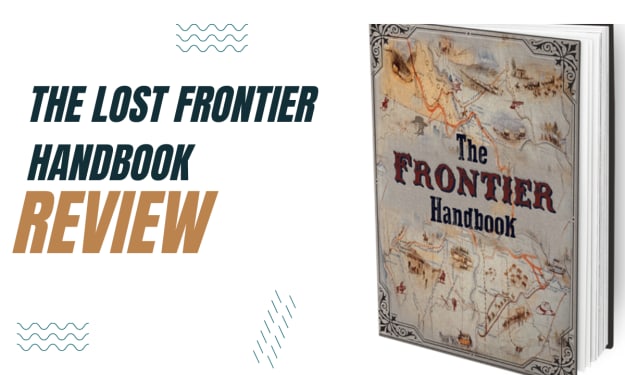
An Essential Book Review : "The Lost Frontier Handbook"
The "Lost Frontier Handbook" is a must-have guidebook for outdoor enthusiasts seeking to explore and survive in the wilderness. This comprehensive review delves into the key features and benefits of this remarkable book, which offers practical insights and valuable knowledge for those venturing into the great outdoors.
By David Ramadhevara3 years ago in Humans
The Health Benefits of Mindful Eating
In today's fast-paced world, eating has become a rushed and mindless activity for many people. We often find ourselves eating on the go, multitasking while we eat, or consuming food without paying attention to our body's signals. This disconnected approach to eating can lead to overeating, poor food choices, and an unhealthy relationship with food. Mindful eating, on the other hand, emphasizes being fully present and aware while eating, paying attention to our senses, thoughts, and emotions. This essay explores the health benefits of mindful eating and how developing a positive relationship with food can improve overall well-being.
By solomon Christian3 years ago in Humans
Health and wellness
Introduction: In today's sedentary work culture, finding time for exercise can be challenging. But what if you could get your blood flowing and boost your energy levels without even leaving your desk? Enter deskercise—the art of exercising discreetly at work. In this article, we'll explore five simple yet effective exercises that you can seamlessly incorporate into your daily routine. Say goodbye to the guilt of sitting all day and hello to a healthier lifestyle!
By Sunday James3 years ago in Humans