science
The Science Behind Relationships; Humans Media explores the basis of our attraction, contempt, why we do what we do and to whom we do it.
HUMAN TEETH
Human teeth are indeed unique in the way they handle damage compared to other parts of the body. The structure of teeth, their composition, and their inability to regenerate after significant damage are crucial points of understanding in dental science. Here’s an exploration of why human teeth can’t heal themselves.
By Sharon Chebet2 years ago in Humans
The Influence of Sports on Youth Development
Sports have long been recognized as a powerful tool for shaping the lives of young people. Beyond the physical benefits, participation in sports can significantly impact various aspects of youth development, including social skills, mental health, academic performance, and character building. This article explores the multifaceted influence of sports on youth development and examines the ways in which athletic participation can contribute to the growth and well-being of young individuals.
By AKANJI ABDULAFEEZ2 years ago in Humans
Nigeria Electricity Problem
Nigeria, Africa's most populous country and one of its largest economies, has long struggled with an electricity problem that has significantly hampered its development. Since gaining independence in 1960, the country has faced a myriad of challenges in providing consistent and reliable power to its citizens and industries. Despite numerous reforms, policies, and investments, the electricity sector remains one of the most pressing issues in Nigeria today. This blog delves into the historical context, current challenges, and potential solutions to Nigeria's persistent electricity woes.
By Aifuwa Emmanuel2 years ago in Humans
How to navigate loneliness, according to neuroscience. AI-Generated.
From a young age, society often conditions us to view solitude as a negative trait. We’re taught to perceive someone who is alone as a "loner," someone who might be unlikable or lacking the qualities needed to integrate into a group. This early stigma shapes our understanding, making us believe that being alone equates to something being wrong with us. When loneliness sets in, it can lead to rumination, catastrophizing social situations, and becoming trapped in negative thought patterns. These thoughts not only influence behaviors but also have tangible effects on our brains and bodies. However, it's possible to expand our perceptions, feel more connected, and overcome the isolating experience of loneliness.
By Sibusiso Khumalo2 years ago in Humans
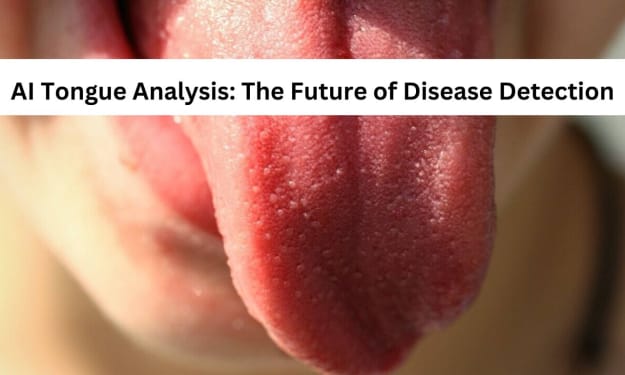
AI Tongue Analysis: The Future of Disease Detection
In an enthralling mix of modern science and knowledge of disease treatments under the practice of old civilizations, researchers from Iraq and Australia have designed a novel artificial intelligence model that can help diagnose diseases by determining the color of people’s tongues. This unique innovative system has an accuracy of 98% which can be a wonderful prospect for enhancing the diagnosis and treatment of various diseases with the help of this technique.
By Farheen Kousar2 years ago in Humans
A Ray of Hope: A Journey Through the Therapeutic Approaches for Angelman Syndrome
A Ray of Hope: A Journey Through the Therapeutic Approaches for Angelman Syndrome In the quiet town of Maplewood, the Thompson family lived an ordinary life—until the birth of their second child, Emily. Her arrival brought immense joy, but as the months passed, something seemed amiss. While other babies began to crawl, babble, and make eye contact, Emily remained silent and still. At first, her parents, Sarah and Mark, thought she was simply a late bloomer. But as Emily approached her first birthday, they couldn’t ignore the growing concerns. Her movements were jerky, she struggled to sit up, and the infectious giggle that they adored seemed to mask something deeper.
By Osmond Ekoh2 years ago in Humans
Can AI Resurrect the Past: Can AI Help Us Connect with the Departed??
AI “resurrections” are an emerging technology allowing people to interact with digital versions of deceased loved ones. These systems work by gathering information about the deceased, such as text messages, emails, or responses to personality questions. This data helps the AI mimic the person's manner of speaking and thinking. For instance, Replika can simulate texting styles based on the information provided, while other projects go further by offering video interactions, letting users see a lifelike representation of the deceased. This technology aims to provide comfort but also raises ethical questions about how we handle memories and grief.
By David Benjamin2 years ago in Humans