list
What you need to navigate your love life; advice about dating, healthy relationships and dealing with your overbearing mother-in-law.
The Quantum Canvas
Art and science, often seen as disparate realms, converge in the fascinating world of quantum physics. The quantum canvas, a concept where particles are the medium and the laws of physics the brushstrokes, offers a unique perspective on the interplay between the seen and the unseen. This article delves into the captivating intersection of quantum mechanics and artistic expression, exploring how particles can be used to create a new form of art.
By Sazeeb Chowdury2 years ago in Humans
Immunization Mindfulness: A Crucial Wellbeing Subject in the Cutting Edge World.
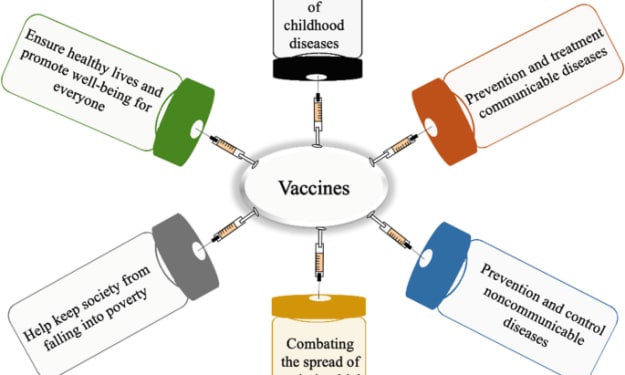
1. The Job of Immunizations in General Wellbeing Immunizations work by animating the insusceptible framework to perceive and battle microbes like infections and microscopic organisms. By presenting an innocuous piece of the microbe, for example, a protein or inactivated infection, the safe framework figures out how to answer rapidly and successfully whenever presented to the genuine microorganism later on. This cycle safeguards the person as well as adds to the local area or group's invulnerability. At the point when an enormous level of the populace is immunized, the spread of infection is essentially decreased, safeguarding weak people who can't be inoculated because of clinical reasons.
By Shahanaz Akther2 years ago in Humans
Wellbeing and mindfulness in the present time.
1. The Effect of Way of Life on Wellbeing One of the main parts of well-being mindfulness today is the association between way-of-life decisions and long-haul well-being results. Stationary ways of life, unfortunate dietary propensities, smoking, and exorbitant liquor utilization have added to the ascent of the way of life-related sicknesses like stoutness, diabetes, cardiovascular infections, and disease. With the approach of cheap food and an expansion in work area-bound workplaces, people are more inclined to create medical problems at more youthful ages than in past ages.
By Shahanaz Akther2 years ago in Humans
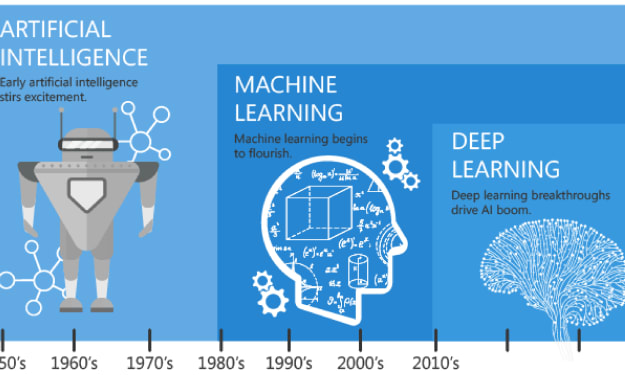
Man-made Intelligence in Medical Care: Altering Analysis, Therapy, and Frameworks The executives.
Early Analysis: Improving Exactness and Speed One of the main uses of artificial intelligence in medical care is its job in early determination, where AI calculations end up unquestionably successful at distinguishing illnesses in their earliest stages. Computer-based intelligence-controlled instruments can dissect clinical pictures, hereditary information, and electronic well-being records (EHRs) with a degree of accuracy and speed that frequently outperforms human capacities. For example, computer-based intelligence models are presently used to distinguish disease from clinical pictures, mammograms, or CT filters, recognizing cancers with exceptional precision.
By Shahanaz Akther2 years ago in Humans
Sir Chris Hoy’s Cancer Report
Sir Chris Hoy is one of Britain’s most celebrated athletes, known for his incredible achievements in track cycling. With six Olympic gold medals and eleven World Championship titles, he has established himself as a sporting legend. However, recent searches and speculations around his health, including rumors of cancer, have brought a new layer of concern and attention from fans and the media.
By Ƒนʀƙเ ฬʀเτєร2 years ago in Humans
The Crucial Role of Crises in Life
The Crucial Role of Crises in Life Life is an unpredictable journey, filled with moments of joy, sorrow, triumph, and trials. Among the most significant experiences we face are crises—those intense, often painful moments that challenge our very existence. While crises can feel overwhelming and unwelcome, they serve a vital purpose in our lives. They compel us to confront our deepest fears, reassess our values, and ultimately emerge stronger, wiser, and more resilient. In this essay, we will explore the necessity of crises in life through emotional examples that illustrate their transformative power. Crises often arrive uninvited, like storms that disrupt the calm of a sunny day. Consider the story of Emma, a dedicated teacher who devoted her life to nurturing her students. One day, she received the shocking news that her beloved husband had been diagnosed with terminal cancer. This moment marked the beginning of an emotional crisis that shook her world. In the midst of her despair, Emma faced a choice: to succumb to grief or to find strength amid the chaos. Initially, Emma felt lost and consumed by sadness, questioning the fairness of life. Yet, as she grappled with her husband's illness, she began to reflect on what truly mattered. This crisis forced her to confront her own vulnerabilities and priorities. Through this experience, Emma learned the importance of cherishing each moment, both with her husband and her students. She began to share her husband’s story with her class, fostering conversations about empathy, compassion, and the fragility of life. In the process, she not only found healing for herself but also created a supportive environment for her students, teaching them valuable lessons about resilience and love. Emma’s journey exemplifies how crises can lead to profound personal growth. When faced with adversity, we often discover strengths we never knew we had. Consider the case of James, a successful entrepreneur whose life took an unexpected turn when his company went bankrupt. The loss of his business felt like the loss of his identity, leaving him devastated and unsure of his future. However, as he navigated the aftermath of this crisis, James began to explore his passions beyond the confines of his former career. During this time of reflection, he rediscovered his love for writing. He began to document his journey, sharing not only his failures but also the lessons he had learned along the way. As he poured his heart into his writing, James found a new sense of purpose. His vulnerability resonated with others who faced similar challenges, and he built a community of support around him. In this way, James transformed a personal crisis into an opportunity for connection, growth, and renewal. Moreover, crises often illuminate the strength of human relationships. They remind us of the importance of connection and community during our most challenging times. Consider the collective experience of the COVID-19 pandemic. Initially, it plunged the world into uncertainty and fear, causing isolation and distress. However, it also sparked incredible acts of kindness and solidarity. Neighbours helped one another, communities organized support systems for the vulnerable, and families found new ways to connect despite physical distance. During this global crisis, individuals like Sarah, a nurse on the front lines, faced unimaginable challenges. Yet, through her struggles, she discovered an outpouring of support from her community. People rallied to provide meals, care packages, and emotional encouragement. The crisis revealed the profound bonds that connect us, demonstrating that even in the darkest times, we can find strength in each other. This collective experience not only strengthened communities but also fostered a greater appreciation for the interconnectedness of humanity. Crises also serve as catalysts for societal change. History is replete with examples of how moments of upheaval have led to significant progress. The civil rights movement in the United States, for instance, was born out of a series of crises, including systemic oppression and racial violence. These injustices galvanized individuals to stand up for their rights and demand equality. The movement, while rooted in pain, transformed society, fostering greater awareness of human rights and social justice. In conclusion, crises, while challenging and often painful, are essential to our personal and collective journeys. They force us to confront our vulnerabilities, reassess our priorities, and find strength we never knew we possessed. Through the stories of individuals like Emma and James, we see how crises can lead to profound personal growth and healing. Moreover, they remind us of the power of community, illustrating how we can come together in times of need. Ultimately, crises are not merely obstacles to overcome; they are opportunities for transformation, resilience, and deeper connection. Embracing the lessons that crises offer allows us to navigate life’s complexities with grace and fortitude, emerging stronger and more compassionate in the process.
By Dipak Pawar2 years ago in Humans
The Pressure of Perfection: Are South Asian Parents to Blame?
Imposter syndrome is a common experience that many of us hesitate to acknowledge. It stems from our unique life choices, societal conditioning, and the perceptions we hold, which shape our reality. This feeling of inadequacy often leads individuals to attribute their successes to external factors like luck or chance, rather than their own abilities. In South Asian households, particularly for women, there is a cultural expectation to downplay one's achievements and to adopt a humble demeanor, influenced by patriarchal norms. This article explores how parental influence contributes to the development of imposter syndrome in the South Asian context, highlighting the societal pressures that encourage women to minimize their accomplishments.
By Hridya Sharma2 years ago in Humans
Title: "Environmental Change and Wellbeing: The Developing Effect of Natural Issues on Open Prosperity"
1. Air Contamination and Respiratory Well-being Air contamination, driven to a great extent by the consumption of petroleum products, is a critical supporter of environmental change and a significant well-being risk around the world. Outflows from vehicles, processing plants, and modern exercises discharge unsafe toxins, like particulate matter (PM2.5), nitrogen oxides (NOx), sulfur dioxide (SO2), and unstable natural mixtures (VOCs), into the air. These contaminations add to an unnatural weather change as well as straightforwardly influence respiratory and cardiovascular well-being.
By Shahanaz Akther2 years ago in Humans
Hair Care Heroes: Find Your Match in Australia
Have you ever been frustrated while standing in a line in a supermarket, looking at the long list of hair care products? It's overwhelming, indeed, considering all brands' scents and promises. Still, finding affordable hair care solutions is undoubtedly worth it, especially if you wish to save money through cost-effective hair care solutions.
By Barbara Honey2 years ago in Humans
The Dangers of Rapid Weight Loss: What You Need to Know Before Trying Quick Weight Loss Methods
The Dangers of Rapid Weight Loss: Why Fast Isn't Always Better Are you hoping to lose weight quickly? Whether it's for an upcoming vacation, a wedding, or simply to reach your fitness goals sooner, rapid weight loss can be tempting. Fast weight loss, often defined as losing a significant amount of weight in just a few days or a week, is something many people aim for, especially when they’re pressed for time. However, while the appeal of shedding pounds quickly is understandable, it’s crucial to recognize that there are significant risks involved. Before jumping into a rapid weight loss plan, you should be aware of the dangers that come with extreme measures to drop weight quickly. Let’s explore the potential risks and why a balanced, gradual approach is often a safer and more effective long-term solution. Extreme Measures Can Harm Your Health One of the primary dangers associated with rapid weight loss is the extreme measures some people take to achieve it. Fasting or completely cutting out food, even for a few days, is a common tactic for quick weight loss. While it might seem like a fast way to slim down, starving yourself can lead to serious health complications. When you deprive your body of food, you also deprive it of essential nutrients. This can cause dizziness, fatigue, weakened immune function, and nutrient deficiencies. Additionally, rapid calorie restriction slows down your metabolism, meaning that once you resume eating, your body is more likely to store calories as fat, leading to weight gain rather than long-term loss. Instead of starving yourself, focus on reducing portion sizes and choosing nutrient-dense foods that will fuel your body properly. Over-exercising Can Lead to Injury Exercise is an essential part of any weight loss plan, but when it comes to rapid weight loss, some people push their bodies beyond their limits. While exercise can indeed help you burn calories and lose weight, overdoing it can lead to exhaustion and injury. If you haven’t been exercising regularly, starting with an extreme routine can be dangerous. For example, running on the treadmill for three hours instead of thirty minutes might burn more calories, but it can also result in dehydration, muscle strain, or even hospitalization. To avoid these risks, it’s important to start slow and gradually increase your exercise intensity. Focus on a balanced routine that includes both cardio and strength training, and allow your body time to recover between workouts. Risks of Weight Loss Pills and Supplements Another common method people use to achieve rapid weight loss is taking weight loss pills or supplements. While there are products on the market that are effective and safe when used correctly, the use of weight loss pills comes with significant risks. Unfortunately, not all products are well-regulated, and many contain harmful ingredients or unproven claims. Some weight loss pills can cause side effects such as increased heart rate, high blood pressure, or digestive problems. Worse still, certain products are sold without proper testing, making it difficult to know whether they are safe. Before considering any weight loss supplement or medication, it's essential to do thorough research and consult with a healthcare professional to ensure it won’t negatively impact your health. Muscle Loss Instead of Fat Loss When people pursue rapid weight loss, they often lose water weight and muscle mass rather than fat. This is because extreme diets or quick fixes don’t give your body the time it needs to burn fat efficiently. Losing muscle instead of fat can actually slow down your metabolism, making it harder to lose weight in the future. Additionally, when your body starts losing muscle, you may feel weaker and more fatigued. Instead of focusing on rapid weight loss, aim for a balanced approach that includes adequate protein intake and strength training to maintain your muscle mass while gradually shedding fat. Long-term Weight Gain is Common After Rapid Loss One of the most frustrating aspects of rapid weight loss is that it is often short-lived. When you lose weight quickly through extreme measures, you are more likely to regain that weight—and sometimes even more—once you return to normal eating habits. This is because quick weight loss methods usually don’t teach sustainable, healthy habits that can be maintained over time. For long-term success, it’s better to adopt a slow and steady weight loss plan that focuses on lifestyle changes like balanced eating and regular exercise. By making gradual adjustments to your diet and activity level, you are more likely to keep the weight off for good. A Better Approach: Planning Ahead One of the most effective ways to avoid the dangers of rapid weight loss is to plan ahead. Whether it's a vacation or an important event, most people have at least a few weeks' notice. Instead of waiting until the last minute and resorting to extreme methods, start working on your weight loss goals as soon as you know you need to. By starting early, you can lose weight at a safe, steady pace. Aim to lose around 1 to 2 pounds per week, which is considered a healthy rate by most health professionals. This approach not only minimizes health risks but also sets you up for long-term success by helping you develop sustainable habits. Conclusion: Prioritize Your Health Over Speed While rapid weight loss may seem like an attractive option, the risks far outweigh the benefits. Starvation, over-exercising, unsafe supplements, and muscle loss are just a few of the dangers associated with trying to lose weight too quickly. Instead, focus on a slow and steady weight loss plan that prioritizes your health and well-being. By taking a balanced approach, you’ll be able to achieve long-lasting results without jeopardizing your body in the process.
By Dome Emmanuel2 years ago in Humans