humor
"Humor is what binds humans together and makes difficult times just a little less painful; Sometimes you can't help but laugh. "
Nature and Mental Health
In our fast-paced, technology-driven world, the importance of nature for mental health is often overlooked. However, a growing body of research highlights the profound impact that spending time in natural environments can have on our psychological well-being. This article delves into the science behind the connection between nature and mental health, exploring how and why nature can be a powerful tool for improving our mental state.
By Sazeeb Chowdury2 years ago in Humans
Finding Hope After Childhood Trauma: A Guide for Adults
Humanity is known for its kindness, it is known for the joy it endows, for the bliss it enclasps in its moments of adoration, care and togetherness as a family and as a community. We are known to live and thrive in a socially garnered civilisation that celebrates each other’s success and belies in growing together into a more progressive society. As we evolve into a more informed and connected world, the bitter truth lies that many of us live or have survived in an environment that was detrimental to our sense of perception, our holistic mind well-being and how we develop our confidence in ourselves.
By Hridya Sharma2 years ago in Humans
Protecting Innocent Children and Mothers in Ongoing Wars: Essential Strategies for Safety and Support
All gatherings to a conflict experience a lot, yet moms and honest youngsters are especially in danger as they as often as possible experience the most disarray, enduring, and dislodging. It is ethically and humanitarianly expected that these weak networks in struggle zones be secured. Past the prompt actual dangers, war affects ladies' and kids' psychological well-being, long haul advancement, and social dependability. These blameless individuals can be safeguarded from the hatreds of battle by different strategies, and worldwide endeavors should put their well-being, security, and mending first.
By AKM Shayful islam2 years ago in Humans
Finding Hope After Childhood Trauma: A Guide for Adults
Humanity is known for its kindness, it is known for the joy it endows, for the bliss it enclasps in its moments of adoration, care and togetherness as a family and as a community. We are known to live and thrive in a socially garnered civilisation that celebrates each other’s success and belies in growing together into a more progressive society. As we evolve into a more informed and connected world, the bitter truth lies that many of us live or have survived in an environment that was detrimental to our sense of perception, our holistic mind well-being and how we develop our confidence in ourselves.
By Hridya Sharma2 years ago in Humans
The Evolution of Pit Bulls' Reputation in America
** Once considered loyal family pets and even patriotic symbols in American culture, pit bulls today face a reputation stained by misconceptions, fear, and media sensationalism. The evolution of their image reflects broader societal issues, from poverty to crime, that unfairly associate these dogs with danger. Understanding how this shift occurred requires exploring the historical role of pit bulls, the rise of media portrayals, and the effectiveness of legislation targeting specific breeds. ### A Historical Perspective: From Family Companions to Icons Historically, pit bulls were revered for their strength, loyalty, and intelligence. Early in the 20th century, they were cherished as ideal family companions, commonly referred to as “nanny dogs” because of their protective nature towards children. Some pit bulls even became cultural icons—like the famous World War I mascot, Sergeant Stubby, who was praised for his bravery on the battlefield. Pit bulls also graced American television screens, often portrayed as trustworthy and friendly pets in films, commercials, and popular shows. However, the demonization of dog breeds is not a new phenomenon. In earlier centuries, other breeds, such as Pomeranians and German Shepherds, faced periods of public suspicion. Public perception of dog breeds often shifts with the times, shaped by cultural fears, social issues, or specific incidents. Pit bulls, once the darling of American households, would soon fall victim to a similar wave of suspicion and misunderstanding. ### The Shift in Public Perception: Media, Crime, and Fear During the 1960s and 1970s, America saw a rise in urban crime, which reshaped the social and cultural landscape. As cities expanded and poverty became more concentrated in certain areas, pit bulls began to be associated with urban crime, poverty, and gang culture. The once-beloved family dogs were now portrayed in a darker light. Media sensationalism during this period played a crucial role in reshaping public opinion about pit bulls. The media, always hungry for a story that would capture public attention, began reporting dog attacks with sensational headlines that often focused on pit bulls. Incidents involving other breeds were often ignored or downplayed. This selective reporting fed into the growing narrative that pit bulls were inherently dangerous and aggressive, perpetuating widespread fear. In addition to the press, pop culture also contributed to the growing fear of pit bulls. Films and TV shows in the latter half of the 20th century often featured pit bulls as symbols of danger and aggression, further reinforcing their negative image. By the late 20th century, pit bulls had gone from being America’s sweetheart pets to the nation's most feared breed. ### Misidentification and Mislabeling: The Pit Bull Misconception One of the significant challenges pit bulls face is misidentification. The term “pit bull” does not refer to a single breed but rather a group of breeds, including the American Pit Bull Terrier, American Staffordshire Terrier, American Bully, and Staffordshire Bull Terrier. These breeds, though distinct, are often lumped together under the blanket term “pit bull,” contributing to the misunderstanding of what a pit bull truly is. Misidentification is rampant. Studies show that nearly 90% of dogs labeled as a specific breed in shelters are inaccurately identified, with many dogs wrongly classified as pit bulls based solely on appearance. Because of this, incidents involving a wide variety of breeds are often reported as involving pit bulls, inflating the statistics and deepening the stigma attached to the breed. The reality is that many dogs labeled as pit bulls share physical characteristics with other breeds, leading to incorrect assumptions about their behavior. The consequences of this mislabeling are profound. Dogs in shelters that are identified as pit bulls are more likely to be euthanized, and incidents of dog bites involving other breeds are frequently attributed to pit bulls. The inflated statistics contribute to the growing perception that pit bulls are inherently dangerous, which is far from the truth. ### Breed-Specific Legislation (BSL): Targeting the Wrong Problem As the fear of pit bulls grew, lawmakers began to respond with breed-specific legislation (BSL), laws designed to regulate or ban certain dog breeds deemed dangerous. These laws, which disproportionately target pit bulls, are intended to reduce dog attacks and bites. However, studies have shown that BSL is largely ineffective in achieving these goals. For example, cities like Denver and entire countries like Denmark have implemented pit bull bans in an effort to curb dog bites, but there has been no significant reduction in dog bite incidents as a result. The problem with BSL is that it focuses on the breed of the dog rather than addressing the root cause of aggressive behavior—irresponsible ownership and poor training. Pit bull owners face numerous challenges due to BSL. Renting a home becomes difficult, as many landlords enforce breed restrictions, and pit bull owners may even have their pets confiscated in areas with breed bans. These laws disproportionately impact low-income families, who may not have the resources to fight BSL or find alternative housing for their pets. ### Responsible Dog Ownership: A Better Approach Rather than focusing on breed-specific legislation, experts argue that promoting responsible dog ownership would be a more effective way to reduce dog attacks. Proper training, socialization, and supervision can significantly decrease the likelihood of a dog—any dog—becoming aggressive. The focus should be on educating dog owners about the importance of proper care, training, and socialization, as well as holding owners accountable for their dogs' behavior. Several studies show that a dog’s environment and upbringing have a far greater impact on its behavior than its breed. By educating the public on responsible ownership and providing resources for training and socialization, communities can reduce dog bite incidents without resorting to breed bans. ### Conclusion: The Need for Change The vilification of pit bulls is based on decades of misunderstanding, misidentification, and media sensationalism. Rather than blaming an entire breed, we should focus on addressing the real issue: irresponsible dog ownership. Breed-specific legislation targets the wrong problem, and until we move beyond these outdated perceptions, both pit bulls and their owners will continue to face unnecessary challenges. It's time to replace fear with education and create a more compassionate society where all dogs, regardless of breed, are treated fairly.
By Goefrey 112 years ago in Humans
A Timeless Wonder of Love and Architecture
The Taj Mahal stands as an iconic symbol of love, an architectural masterpiece that has captured the imagination of people worldwide for centuries. Located in Agra, India, this magnificent white marble mausoleum was commissioned by Mughal Emperor Shah Jahan in memory of his beloved wife, Mumtaz Mahal. Completed in 1653, it remains a testament to both the grandeur of Mughal architecture and the enduring nature of true love. The Taj Mahal has earned its place as one of the Seven Wonders of the World and continues to be a source of inspiration, attracting millions of visitors from around the globe each year.
By Ahmad Noman2 years ago in Humans
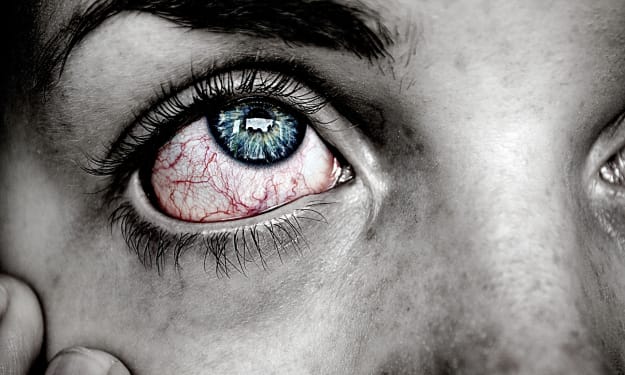
Foods that will keep your eyes healthy.
Foods that will keep your eyes healthy. Eye is a sensitive organ of human body. The busyness of daily life takes its toll on our eyes. Most of the students, working people are using glasses these days. Continuous reading of books or excessive use of various electronic devices like mobiles, computers, laptops reduces the eyesight. Let's find out what kind of food helps to keep eyes healthy.
By Next Level Technology 2 years ago in Humans