feature
Humans featured post, a Humans Media favorite.
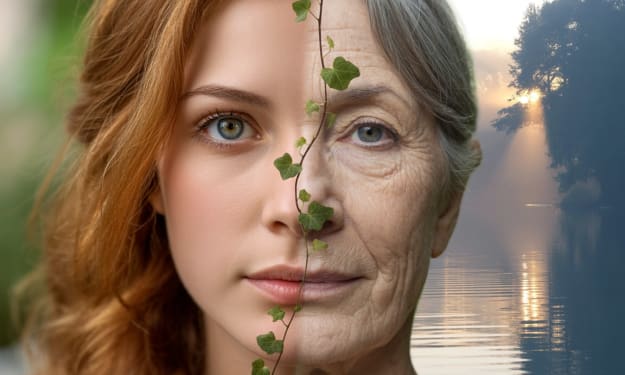
Top Strategies to Slow Down Aging Naturally
Top Strategies to Slow Down Aging Naturally Discover science-backed, holistic ways to stay youthful and energized. Aging is a natural process, but the way we age is largely influenced by our daily choices. While we can't stop time, we can slow down its visible and internal effects through smart, sustainable lifestyle habits. Instead of relying on synthetic shortcuts or invasive procedures, many people are turning to natural methods to support graceful aging. In this article, we’ll explore top strategies to reduce aging naturally—from diet and exercise to mental wellness and skincare. 1. Eat for Longevity and Vitality Your diet plays a major role in how you age. Nutrient-dense foods rich in antioxidants, healthy fats, vitamins, and minerals help fight free radicals, which contribute to cellular aging and inflammation. Include more antioxidants: Berries, leafy greens, green tea, and dark chocolate are high in antioxidants that protect your cells from oxidative stress. Choose healthy fats: Omega-3 fatty acids found in fatty fish (like salmon and sardines), walnuts, flaxseeds, and chia seeds promote skin elasticity and reduce inflammation. Limit processed sugar: Excess sugar speeds up aging by triggering glycation, a process that damages collagen and elastin in the skin. 2. Stay Hydrated Hydration is crucial for maintaining plump, youthful skin and for overall bodily function. Dehydrated skin appears dry, wrinkled, and tired. Aim for at least 8 glasses of water daily. Add hydrating foods to your meals like cucumbers, watermelon, oranges, and celery. 3. Prioritize Regular Exercise Movement is a natural anti-aging remedy. Regular physical activity improves circulation, boosts collagen production, enhances mood, and keeps muscles and joints strong. Cardio exercises like walking, cycling, or swimming support heart health and endurance. Strength training preserves muscle mass, which naturally declines with age. Flexibility and balance workouts like yoga or tai chi improve posture and reduce injury risk. Exercise also boosts the production of endorphins, the “feel-good” hormones, helping you maintain a positive outlook—an essential part of aging well. 4. Practice Consistent Skincare Using Natural Ingredients Good skincare isn’t about expensive creams—it’s about consistency and nourishing your skin with what it truly needs. Cleanse gently to avoid stripping the skin of natural oils. Moisturize daily to maintain hydration and skin barrier function. Use natural oils like jojoba, rosehip, and argan oil for added nutrients. Apply sunscreen daily—sun damage is the #1 cause of premature aging. Look for natural anti-aging ingredients like vitamin C, niacinamide, retinol (plant-based alternatives like bakuchiol), and aloe vera. 5. Sleep: The Body’s Natural Rejuvenation Cycle Sleep is when the body repairs itself, and lack of quality sleep accelerates the aging process both physically and mentally. Aim for 7–9 hours of quality sleep each night. Create a relaxing bedtime routine to wind down—dim lights, reduce screen time, and try calming teas or meditation. Keep a cool, dark, and quiet sleep environment. 6. Reduce Stress and Practice Mindfulness Chronic stress floods your body with cortisol, a hormone that accelerates aging, weakens immunity, and increases inflammation. Practice deep breathing, mindfulness meditation, or journaling to calm the mind. Engage in enjoyable hobbies, stay connected to loved ones, and try to spend time in nature regularly. Incorporate gratitude and positive thinking, which have been shown to increase life satisfaction and improve mental health. 7. Support Hormonal Balance As we age, hormonal changes affect everything from energy and mood to skin elasticity and metabolism. Eat foods rich in phytoestrogens (like soy, flaxseed, and legumes) to naturally support hormone balance. Reduce endocrine disruptors by avoiding plastics and opting for natural personal care products. Consider talking to a functional medicine practitioner if you’re experiencing severe symptoms of hormonal imbalance. 8. Limit Toxins and Detox Gently Exposure to environmental toxins can speed up cellular aging and burden your organs. Choose organic produce when possible to avoid pesticides. Use natural cleaning products and non-toxic personal care. Support your body’s detox systems by eating cruciferous vegetables (broccoli, kale, Brussels sprouts), drinking lemon water, and sweating regularly through exercise or saunas. 9. Maintain Social Connections Studies show that people with strong social networks live longer and enjoy better health as they age. Cultivate friendships and join community groups. Schedule regular time with loved ones. Volunteer or engage in activities that give you purpose. 10. Keep Learning and Stay Curious Mental stimulation keeps your brain young. Whether it's learning a new skill, reading, or trying a new hobby, staying mentally active is key to long-term brain health. Learn a new language or musical instrument. Play puzzles, memory games, or strategy-based games. Read widely and explore new topics to keep your mind sharp. --- Final Thoughts Aging is inevitable, but how you age is largely up to you. By embracing natural, holistic practices and being mindful of your daily habits, you can add vitality, clarity, and joy to every stage of life. The best anti-aging strategy isn’t about chasing youth—it's about investing in a healthy, balanced lifestyle that allows you to thrive. Remember: It’s never too late to start. Small changes today can lead to big differences tomorrow.
By Nasir Khanabout a year ago in Humans
Why Natural Cleansers Are the Best Start to Your Skincare Ritual
When it comes to skincare, the foundation of a good routine isn't just the moisturizer or serum you use—it's how you begin the ritual. Cleansing is the crucial first step that determines how well the rest of your products perform. And within the realm of cleansers, natural options are increasingly gaining popularity for all the right reasons.
By abdulshariqabout a year ago in Humans
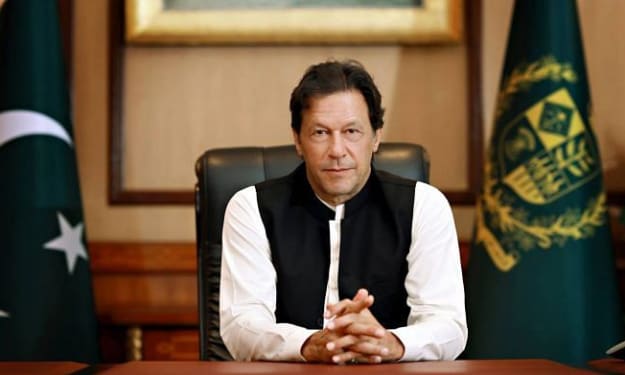
Imran Khan: From Cricket Legend to National Leader
Early Life and Background Imran Ahmed Khan Niazi was born on October 5, 1952, in Lahore, Pakistan, into a Pashtun family of the Niazi tribe. Raised in an upper-middle-class household, he received an elite education — first at Aitchison College in Lahore, then at Royal Grammar School Worcester, and finally at Keble College, Oxford, where he studied philosophy, politics, and economics. Despite a quiet and shy childhood, Khan showed early signs of ambition, independence, and athletic talent — qualities that would define his future. --- The Cricketing Hero Imran Khan began his international cricket career in 1971, and over the next two decades, he would become one of the greatest all-rounders in cricket history. Known for his fiery pace and aggressive leadership, Khan transformed the Pakistani cricket team into a world-class force. His crowning achievement came in 1992, when he led Pakistan to its first and only ICC Cricket World Cup victory, defeating England in the final. This victory elevated Khan to national hero status and immortalized him in the hearts of millions. Career Highlights: Played 88 Test matches, scoring 3,807 runs and taking 362 wickets. Represented Pakistan in 175 ODIs. Inducted into the ICC Cricket Hall of Fame in 2010. His charisma, confidence, and leadership on the field laid the groundwork for his future political ambitions. --- Philanthropy: Shaukat Khanum and Namal University After retiring from cricket, Imran Khan channeled his fame into philanthropy. Motivated by the death of his mother, Shaukat Khanum, from cancer, he launched a bold dream: to build Pakistan’s first free cancer hospital. Shaukat Khanum Memorial Cancer Hospital & Research Centre opened in 1994, funded by public donations and driven by Khan’s relentless campaigning. He later established Namal University in Mianwali, aiming to provide world-class education in rural Pakistan. These projects showcased his determination, organizational skills, and deep connection with the people, particularly the underprivileged. --- Political Rise: Founding Pakistan Tehreek-e-Insaf (PTI) In 1996, Khan founded Pakistan Tehreek-e-Insaf (PTI), the "Movement for Justice." His early years in politics were met with mockery and repeated failure, winning just one National Assembly seat (his own) in the 2002 elections. But Khan persisted, fueled by his vision of a "Naya Pakistan" (New Pakistan) — a country free from corruption, elitism, and injustice. His anti-corruption narrative, calls for Islamic welfare democracy, and fierce opposition to U.S. drone strikes in tribal areas resonated with the youth and middle class. PTI steadily grew, and by 2013, it became the second-largest party by popular vote. --- Prime Ministership (2018–2022) In 2018, Imran Khan became the 22nd Prime Minister of Pakistan after PTI won a majority in the general elections. His leadership style was a blend of populism, nationalism, and reformist zeal. Key initiatives and policies: Ehsaas Program – Pakistan’s largest social safety net for poverty alleviation. Health Cards – Free healthcare for millions under the Sehat Sahulat program. Anti-corruption drive – Targeting politicians and bureaucrats. Foreign policy independence – Strengthening ties with China, Turkey, and Russia while distancing from the U.S. Climate leadership – Billion Tree Tsunami and environmental sustainability projects. Despite bold intentions, his government struggled with economic instability, inflation, rising debt, and resistance from entrenched political elites. --- Ouster and Legal Struggles In April 2022, Imran Khan was removed from office via a no-confidence vote orchestrated by an opposition alliance and allegedly supported by powerful elements of the establishment. After his ouster, Khan launched a relentless public campaign, denouncing what he called a "foreign-backed regime change conspiracy." His massive rallies drew hundreds of thousands, reigniting public support. In 2023–2024, Khan faced numerous legal challenges, including disqualification, arrest, and trials under various charges ranging from corruption to terrorism. Yet, his popularity remained undiminished, especially among Pakistan’s youth and diaspora. --- Personality and Charisma Imran Khan's personality is a complex blend of: Charisma – A natural orator and crowd-puller. Resilience – Unfazed by failure, he reinvents and rebounds. Ego and Vision – Often accused of being stubborn or arrogant, but always driven by a larger-than-life vision for Pakistan. Spirituality – Deepened over time; influenced by Sufism and Islamic teachings. Patriotism – Devoted to Pakistan’s sovereignty, dignity, and Islamic identity. Whether adored or criticized, Khan is never ignored. --- Legacy: A Divisive Icon Imran Khan’s legacy is deeply polarizing. To supporters, he is a revolutionary reformer who challenged a corrupt status quo and awakened national consciousness. To critics, he is a populist who struggled with governance and fueled political chaos. However, few can deny: He inspired a new generation to engage in politics. He built institutions like Shaukat Khanum and Namal from scratch. He changed the narrative of leadership in Pakistan — from dynasties to ideals. His journey from cricket pitches to the Prime Minister’s Office is unmatched in Pakistani history, and still ongoing. --- Conclusion Imran Khan is more than a cricketer, politician, or philanthropist — he is a symbol of struggle, ambition, and the quest for justice. His story is one of triumph, tragedy, and transformation. Whether history will remember him as a savior or a disruptor remains to be seen, but one truth is certain: Imran Khan changed Pakistan — forever.
By Ikram Ullahabout a year ago in Humans
Silent Mental Stress
When the loudest cries are the ones never heard. Everyone said Zoya had it all together. She was twenty-nine, successful, and always smiling. She ran meetings with precision, hosted family dinners without breaking a sweat, and never missed a birthday or deadline. Her Instagram showed a life of sunsets, coffees, and neat little quotes about “balance” and “growth.” People often said, “Zoya, you’re so calm. So strong.”
By Esther Sunabout a year ago in Humans
The Unexpected Light: A Moment of Kindness. AI-Generated.
It was just another long day at work. The coffee stains on my shirt, the never-ending pile of paperwork, and the empty echo of my thoughts had all become my reality. Yet, I smiled when I heard my daughter’s voice through the phone. Lily, just 7, her words light and full of curiosity.
By sahinur sahinabout a year ago in Humans
This One Habit Changed Everything for Me—And It Takes 5 Minutes a Day
It started on a random Tuesday morning. I was sitting at my desk, staring blankly at the screen, trying to remember why I had opened that tab. My coffee had already gone cold, emails were piling up, and my to-do list looked like a novel I didn’t want to read. Despite working hard every day, I constantly felt behind. My energy was scattered, and everything felt urgent but nothing felt important.
By Muhammad Hashimabout a year ago in Humans
Arestovych And Baumeister: The Main Critics Of Ukraine’s Fate
In public life, the sense that you are being heard and can influence the world around you is immensely valuable. You don’t feel like a pawn on the chessboard of politics. My hero today — a soldier, analyst, volunteer, blogger, and psychologist — is Oleksiy Arestovych. But today, I would like to examine his primary, often overlooked calling: that of a critic of fate.
By Ilya V. Ganpantsuraabout a year ago in Humans
Nearing 70 years, your body has journeyed far—now let your mind lead the way.
Welcome to My Vocal Space Curious minds, welcome. I am delighted to share interesting, informative, intriguing, and inspiring stories that spark and stir imagination. From lifestyle to mind-blowing reflections—your next great read is just a scroll away.
By Madisetti Raveendra kumarabout a year ago in Humans
Why You Should Love Yourself More and Make Time for Yourself
In today’s fast-paced world, we often prioritize work, relationships, and social obligations over our own well-being. Many people believe that self-love is selfish, but the truth is, loving yourself is the foundation of a happy, healthy, and fulfilling life. When you take time for yourself, you recharge, grow, and become the best version of yourself—not just for you, but for everyone around you.
By EMRANUZZAMANabout a year ago in Humans