feature
Humans featured post, a Humans Media favorite.
Loneliness in the Age of Hyper-Connectivity – Why We Feel Alone Despite Being 'Connected'
We live in an age where messages travel faster than light, where we can see our friends’ vacation photos before they even unpack, where "likes" and emojis fill our phones day and night. Yet, behind all this noise, a strange truth lingers: we are lonelier than ever.
By Mohammad Ashiqueabout a year ago in Humans
The Loneliness Epidemic – Why We’re All Feeling So Alone in a Connected World
The Most Connected Yet the Most Alone In an era where a message can travel across the world in a second and we can “like” someone’s lunch without ever knowing their name, it’s ironic—painfully so—that loneliness is becoming the defining emotional state of the 21st century. Across age groups, cultures, and countries, people are reporting a growing sense of disconnection. Mental health professionals are calling it a “loneliness epidemic.” But how did we get here? And more importantly, how do we get out?
By Mohammad Ashiqueabout a year ago in Humans
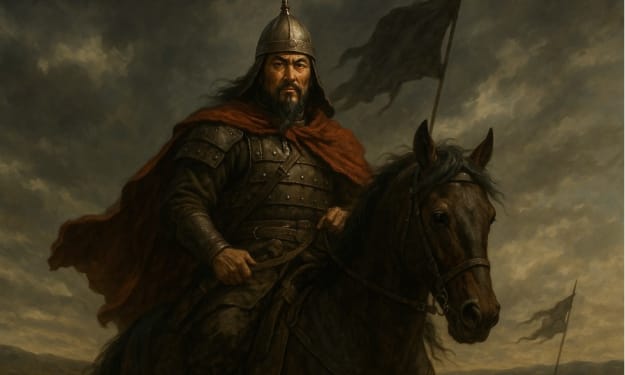
The King Who Ruled the World: The Legacy of Genghis Khan...
Numerous kings have risen and fallen throughout human history, each with a legacy of glory, conquest, or failure. Genghis Khan, the founder of the Mongol Empire and arguably the most powerful ruler the world has ever known, stands taller than any other king when it comes to sheer dominance, unrivaled influence, and lasting impact. He was born Temüjin in the wild heart of Mongolia around 1162. Even by the harsh standards of the steppe, his early life was harsh. His family was abandoned by their own tribe when their father was poisoned by enemies. They survived on roots and rats they hunted, starving in the cold wilderness. Many would have died. Neither did Temüjin. He learned, instead. He observed. He was aware. He realized that power was earned rather than given to him. He got sharper with every setback. Stronger. Harder.
By Hasan mahamudabout a year ago in Humans
The End is Seen with Reason, Not Emotion | Emotional Logic Article.
The End is Seen with Reason... Not with Tears. Some people don’t need to live every hard moment to know how something will end. They can look ahead and feel what’s coming. These people often get called cold or heartless. But really, they just see things differently. They use both the heart and the mind.
By Sayed Zewayedabout a year ago in Humans
Why Introverts Excel in Leadership (Despite What Loud People Think)
Let’s address the elephant in the boardroom: society has a weird obsession with loud leaders. We’re conditioned to believe that the best bosses are the ones who dominate meetings, thrive on charisma, and never met a spotlight they didn’t like. Meanwhile, introverts—those of us who’d rather send a thoughtfully crafted email than give an impromptu pep talk—get sidelined as “too quiet” for leadership.
By Just One of Those Thingsabout a year ago in Humans
Why Highly Sensitive People (HSPs) Are the Modern-Day Oracles
Let’s get one thing straight: being a Highly Sensitive Person (HSP) in today’s world is like being a raw nerve at a rock concert. Loud noises? Overwhelming. Crowds? Exhausting. The sheer emotional weight of existing in a world that seems determined to burn itself down? Absolutely exhausting.
By Just One of Those Thingsabout a year ago in Humans
Who Is Jeremy Griffith?
Jeremy Griffith, the Australian biologist and author, is best known for his pioneering work on the human condition—a topic he has explored and written about for over 50 years. Through a series of in-depth scientific books, most notably FREEDOM: The End Of The Human Condition, Griffith presents a biological explanation for humanity’s contradictory nature—our ability for immense love and compassion alongside devastating cruelty and selfishness. His work offers a new understanding of our species' psychological struggle and proposes a way forward for personal and collective transformation.
By Fix The Worldabout a year ago in Humans
Human Dignity Is Enhanced by Economic Prosperity
Human Dignity Is Enhanced by Economic Prosperity Human dignity is greatly enhanced by economic success, which radically alters the structure of society. People all around the world aim for more than just survival; they also want a life in which their fundamental needs are satisfied with honor and in which they are free to pursue goals beyond basic survival. This goal is closely related to economic prosperity and stability, which enable people to live happy lives and make significant contributions to their communities.
By Md Foiz Ullahabout a year ago in Humans
The PRP Facial Boom: What’s Fueling Demand in 2025?
In the world of aesthetics, few treatments have experienced the meteoric rise that Platelet-Rich Plasma (PRP) facials have seen over the past few years. As 2025 unfolds, PRP facials have not only become a staple in dermatology clinics and med spas but are now seen as essential tools in the pursuit of natural, long-term skin rejuvenation. Unlike temporary fixes that merely mask imperfections, PRP treatments stimulate the body’s own healing mechanisms, offering results that are more sustainable and authentic. From celebrities to everyday individuals, people are turning to PRP not just for cosmetic purposes but as part of a broader skin health regimen. While many factors contribute to this surge in popularity, one of the most frequently asked questions centers around prp treatment for face price, reflecting the balance people are trying to strike between results and affordability.
By Hash Invasiveabout a year ago in Humans
Breaking Free from Perfectionism: Embracing the Imperfections of Being Human
Breaking Free from Perfectionism: Embracing the Imperfections of Being Human Introduction From the earliest days of childhood, many of us are taught to strive for perfection. We get high marks, awards, and praise for our flawless appearance. In a world that celebrates idealism and perfection, anything less can feel like failure. But this pursuit of flawlessness often comes at a cost: anxiety, self-doubt, exhaustion, and a disconnect from our authentic selves.
By Afia Sikderabout a year ago in Humans