feature
Humans featured post, a Humans Media favorite.
Two Roads, One City: The Choices That Save Us — or Break Us
Johanson laced up her sneakers just as the first light spilled through her window. The city was waking up — car horns, the smell of bread from a nearby bakery, a neighbor watering his plants. She smiled, tightened her ponytail, and stepped out.
By Shehzad Anjumabout a year ago in Humans
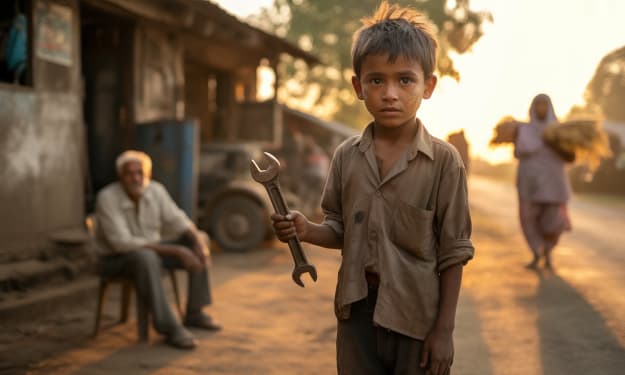
He Carried a Wrench, Not a Childhood
Part 1: The Weight of a Silent Dream In a forgotten Pakistani village between dry farmland and interior Pakistan's feudal territories, a boy named Ikram lived with hopes bigger than his shoulders. He was not quite 12, but his face was already skilled at holding down hurt. He had worn through his slippers, his father's extra-large shirt over his own size, and eyes that would beg anybody to show clemency without words.
By Shehzad Anjumabout a year ago in Humans
Chains of the Brothel: Part 2 — The Price of 2200 Rupees
The year was 1990. Anita had been married only two years when her world began to collapse. She had once believed marriage was a doorway into love and safety. Amit Mishra had wooed her with promises — sweet words whispered in the quiet of evening, vows of forever, dreams of building a family together. Anita believed him. She gave him her trust, her loyalty, her heart.
By Shehzad Anjumabout a year ago in Humans
Chains of the Brothel: Part 6 The Withering Light
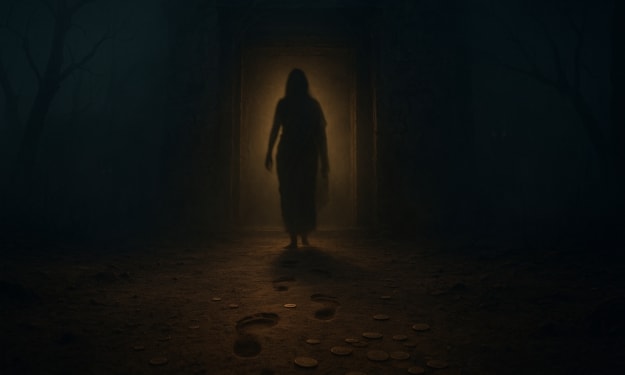
Padma’s life had always been a fragile flame, trembling against storms too cruel for her tender years. She was born beneath shadows that should never touch a child, robbed of innocence before she even understood what innocence meant. That cursed night—when predators trampled her body and soul—became the invisible chain she would carry forever.
By Shehzad Anjumabout a year ago in Humans
Chains of the Brothel: Part 8 No More Fear
Shadows in the Old House The Old House had grown darker with each passing night. Its walls carried whispers of people the world had abandoned—voices swallowed into silence. Yet within that suffocating silence, Anita remained. Her presence glowed like a faint but unyielding flame.
By Shehzad Anjumabout a year ago in Humans
“The Silence That Spoke Louder Than Words”
The Beginning: A Quiet Soul There was once a young man named Arman, who lived in a small town surrounded by hills and rivers. Unlike most of his peers, who spent evenings laughing in tea shops or gossiping at the town square, Arman preferred silence. He would sit for hours in the town library, turning the fragile pages of forgotten books. But more than the stories themselves, Arman loved the pauses, the gaps, the unfinished sentences. He believed that silence was never empty—it was full of meaning. “Words,” he often thought, “can lie. But silence rarely does.” This belief, though quiet, would change his life—and the lives of many around him. --- The Hidden Letter One evening, while exploring the dusty archives of the library, Arman stumbled upon an old novel with a folded letter tucked inside. The paper was thin, yellow, and fragile. The handwriting was elegant, careful, the kind that carried weight in each curve of ink. The letter read: > “I hope you are well. The days here are fine. The house feels empty sometimes, but I am managing. Take care.” At first glance, it seemed ordinary—just a few polite sentences, nothing special. But Arman stared at it for a long time. Then, a soft smile touched his face. “This is not just a letter,” he whispered. “This is a cry hidden in silence.” The writer had not spoken directly of pain, but Arman could feel it. The emptiness of the house. The quiet resignation of the words “I am managing.” It carried more weight than a hundred dramatic confessions. That was the moment Arman understood: sometimes, the loudest truths are written in the spaces between words. --- The World Between the Lines From that day, Arman began to notice what others missed. A neighbor who always smiled and said, “I’m fine,” but whose eyes were red with unshed tears. A shopkeeper who laughed louder than anyone else, yet carried deep worry lines across his forehead. A young boy who claimed he wasn’t hungry but stared at food a second too long. “The loudest pain,” Arman thought, “is often silent. The deepest truth is rarely spoken.” He carried the letter with him, folded neatly in his pocket, as a reminder to always look beyond words. --- Sana’s Silence One evening, Arman’s friend Sana visited him. She had been cheerful all day, joking with others, her laughter filling the air. But when she sat down with Arman, he noticed something different. Her hands trembled slightly as she spoke. She laughed, but her laughter was a little too quick, a little too forced. “I’m just tired,” she said lightly. Arman didn’t believe her words. He looked gently into her eyes and said, “It’s okay. You don’t need to hide it. Tell me what is between your lines.” For a moment, Sana froze. Then her eyes filled with tears. She admitted she was struggling at home, burdened by problems she hadn’t shared with anyone because she didn’t want to “burden” others. That night, Sana cried freely. And for the first time in months, she felt lighter. By listening between the lines, Arman gave her the greatest gift—a safe space to be real. --- The Language of Silence The more Arman paid attention, the more he realized something profound: silence is its own language. In a love story, the unsent letter, the pause before a confession, the quiet glance—all speak louder than words. In tragedy, the silence after death holds more weight than the death itself. In everyday life, a father’s pat on the shoulder, a mother’s sigh before saying “eat well,” or a friend’s pause before saying “I’m fine”—these small silences carry oceans of meaning. He realized: if you want to know someone’s truth, don’t just hear their words—listen to their silence. --- Teaching the Unspoken Years passed, and Arman became a teacher. But unlike other teachers, he didn’t just teach literature; he taught his students how to listen with the heart. One day, he handed them a simple four-line poem: > “The night was long, The candle burned low, She sat by the window, And the stars did not speak.” The students argued about what it meant. Some said loneliness. Some said waiting. Some even said hope. Arman smiled at all of them. “You are all correct,” he said. “Because the truth lies not in what is written, but in what your heart reads between the lines.” His students understood something powerful that day: literature isn’t just words—it’s mirrors. It reflects whatever we carry inside. --- Life’s Hidden Lessons Outside the classroom, Arman often reminded people that silence could be love, care, pain, or even apology. A mother saying, “Eat well” really means: “I love you. I want you to be strong.” A father’s quiet pat before an exam really means: “I trust you. You are enough.” Two friends sitting silently after an argument really means: “I’m sorry. Let’s not let this break us.” These unspoken moments were, in Arman’s eyes, the true language of life. --- The Final Lesson Years passed, and Arman grew old. His hair turned white, his steps slower, but his wisdom deeper. One day, his students—now adults who still visited him—asked: “Master, what is the greatest truth you have learned?” Arman closed his eyes, and in a voice soft but steady, he said: “Words are easy. Lies can hide in them. But the spaces between words, the pauses, the silences—those rarely lie. If you want to know the truth, don’t just listen to what people say. Listen to what they cannot say.” That became his final lesson—the one his students carried for the rest of their lives. --- The Moral Life’s deepest truths are not always spoken. They live in silences, in glances, in unfinished sentences, in pauses heavy with meaning. The hidden message of life is simple: “The unspoken truth is often the real truth. If we learn to listen beyond words, we will see the world with deeper eyes.”
By Ihtisham Ulhaqabout a year ago in Humans
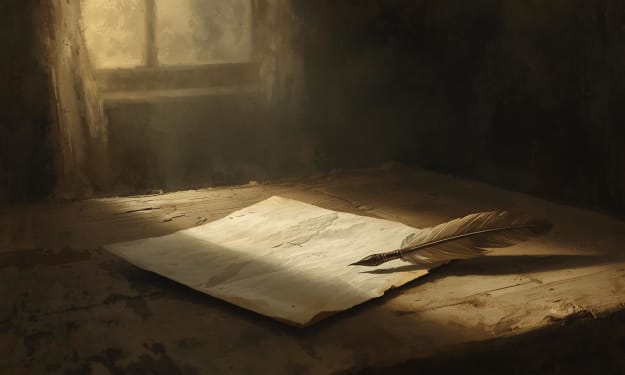
“The Truth Between the Lines”:
There are moments in life when silence speaks louder than words, when the gaps between sentences hold heavier truths than the sentences themselves. The most important messages in life are often hidden between the lines. This is not just true for books or letters—it is true for people, for relationships, and for the world we live in. Sometimes, what is not said carries more meaning than what is said out loud. This is a story about discovering those unspoken truths, and learning to listen not only with ears but with the heart. --- The Hidden Message in a Letter Once, there was a young man named Arman. He was known in his small town as a quiet, thoughtful person who spent most of his evenings in the library. He loved reading stories, but more than the stories themselves, he loved the pauses, the gaps, the unfinished sentences. For him, those spaces whispered secrets. One day, while going through the library’s archives, Arman found an old, forgotten letter tucked inside a dusty novel. The paper was yellow and fragile, written in elegant handwriting. The words seemed ordinary: "I hope you are well. The days here are fine. The house feels empty sometimes, but I am managing. Take care." At first glance, it looked like a simple letter, nothing special. But Arman stared at it for a long time. Then he smiled gently. “This is not just a letter,” he whispered, “this is a cry hidden in silence.” The writer had not written the pain directly, but Arman could feel it. The emptiness of the house, the simple words “I am managing,” carried more weight than a hundred sentences of description. Sometimes, the truth does not sit in the ink—it breathes in the spaces left blank. --- The Power of Silence Arman kept that letter with him, and it changed the way he saw people. He started noticing how often people say the opposite of what they feel. A neighbor who always said, “I’m fine,” even when her eyes were red from crying. A shopkeeper who laughed loudly but carried worry lines on his forehead. “The loudest pain is often silent,” Arman thought. “The deepest truth is rarely spoken.” One evening, his friend Sana came to him. She had been cheerful all day, but Arman noticed her hands trembling as she spoke. She laughed and said, “Oh, I’m just tired.” Arman did not answer her words. Instead, he gently said, “It’s okay, you don’t need to hide it. Tell me what is between your lines.” Tears filled Sana’s eyes. She admitted she was struggling at home, but she didn’t want to burden anyone. That night, she cried freely, and for the first time in months, she felt lighter. By listening between the lines, Arman gave her the space to speak her truth. --- Books That Don’t Speak, But Teach Arman’s love for reading grew stronger. He realized that every great story is not just about the words printed—it is about what the writer chose not to write. In a tragic story, the silence after a character’s death says more than the description of the death itself. In a love story, the unsent letter, the unfinished sentence, the glance that goes unspoken—all of these are the real heartbeats of the story. “The truth of a story is not always written—it is often left for the reader to feel.” --- Life’s Hidden Lessons As years passed, Arman became a teacher. But unlike others, he taught his students something different. He would give them short poems and ask, “What do you feel is missing here?” One day, he gave them just four lines: "The night was long, The candle burned low, She sat by the window, And the stars did not speak." The students tried to guess what it meant. Some said it was about loneliness. Some said it was about waiting. Some even said it was about hope. Arman smiled at all of them. “You are all correct,” he said, “because the truth lies not in what is written, but in what your heart reads between the lines.” That day, his students learned something powerful: literature is not just words—it is mirrors. Each person sees their own reflection in the spaces left unsaid. --- Real Life Example: Between Words and Actions In real life too, “between the lines” moments appear everywhere. Think about a mother who tells her child, “Eat well, you’ll need strength.” The words are about food, but the truth is about love and care. Or a father who simply pats his child’s shoulder before an exam. No words, no long lecture, just a pat. That silent pat says: “I trust you. I believe in you.” Or when friends sit quietly after an argument. They don’t say sorry right away, but the silence carries the apology. The truth is there, between the silence and the unsaid. --- Arman’s Last Lesson When Arman grew old, he was known not just as a teacher, but as a wise soul who understood people without them needing to explain. One day, his students asked him, “Master, what is the greatest truth you have learned?” He closed his eyes and replied softly: “Words are easy. Lies can hide in them. But the spaces between words, the pauses, the silences—those rarely lie. If you want to know the truth, don’t just listen to what people say. Listen to what they cannot say.” That became his final lesson, the one that lived in the hearts of his students forever. --- The Moral At the end of this story, the message is clear: “Life’s deepest truths are not always written or spoken. They live in silences, in glances, in half-finished sentences, and in spaces between the lines.” If we learn to read between the lines, we will understand not only books better, but also people, love, and life itself. --- : The unspoken truth is often the real truth. Learn to listen beyond words, and you will see the world with deeper eyes.
By Ihtisham Ulhaqabout a year ago in Humans