feature
Humans featured post, a Humans Media favorite.
RENEWABLE ENERGY AND HUMANS
Renewable Energy and Humans: Powering a Sustainable Future Renewable energy is rapidly becoming a cornerstone of the global effort to reduce environmental damage, mitigate climate change, and secure a sustainable future for humanity. Unlike fossil fuels, which have long been the dominant source of power, renewable energy sources like solar, wind, hydroelectric, and geothermal offer clean, sustainable alternatives that can help address some of the most pressing issues of our time, such as environmental degradation, resource depletion, and energy insecurity. The relationship between renewable energy and humans is complex and evolving, with renewable energy offering both immediate benefits and long-term solutions for a better, more sustainable world.
By Badhan Sen2 years ago in Humans
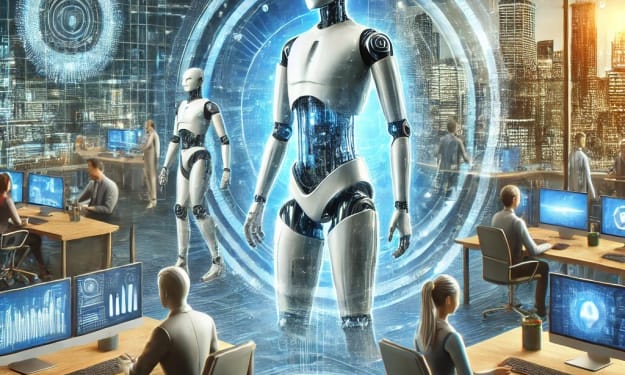
AGI's Impact on the Job Market: A Deep Dive
Artificial General Intelligence (AGI) has the potential to redefine how we work. Unlike the current Narrow AI systems that are task-specific, AGI will have the capability to perform any intellectual task a human can, often more efficiently. This transformative technology could revolutionize industries, create new opportunities, and eliminate countless jobs simultaneously.
By Ayesha Rasheed Rajpoot2 years ago in Humans
HUMAN IMPACT ON BIODIVERSITY
Human Impact on Biodiversity Biodiversity, which encompasses the variety of life on Earth, including ecosystems, species, and genetic diversity, is crucial for maintaining the planet's ecological balance. It provides essential services such as clean air, water, food, and climate regulation, all of which are vital for human survival. However, human activities have significantly impacted biodiversity, leading to habitat destruction, species extinction, and ecosystem imbalance. This article explores the ways in which humans affect biodiversity, the consequences of these impacts, and strategies to mitigate the damage.
By Badhan Sen2 years ago in Humans
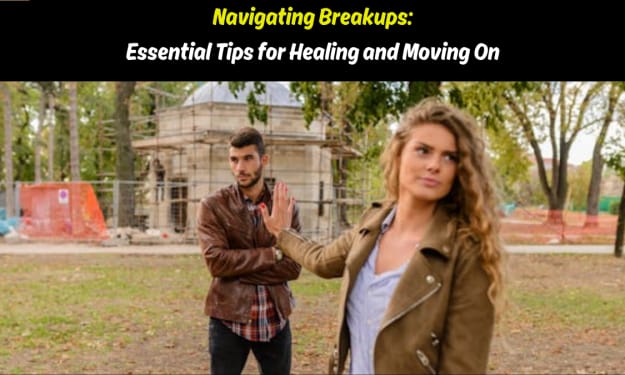
Navigating Breakups: Essential Tips for Healing and Moving On
Breakups can be one of life’s most challenging experiences, leaving individuals feeling heartbroken, lost, and uncertain about the future. Whether the breakup was mutual or unexpected, the healing journey requires time, self-reflection, and effective coping strategies. In this article, we will explore essential tips for navigating breakups, focusing on healing, and moving on.
By Abdul Jamil Nasir2 years ago in Humans
GENDER EQUALITY IN THE WORKPLACE
Gender Equality in the Workplace Gender equality in the workplace refers to the equal rights, opportunities, and treatment of individuals, regardless of their gender. In recent decades, the conversation around gender equality has gained significant momentum, as women, non-binary, and gender-diverse individuals have advocated for fair treatment, equal opportunities, and respect in all aspects of professional life. However, despite progress in many areas, gender inequality continues to persist in various forms across workplaces globally. Addressing this issue is not only a moral imperative but also a business necessity, as diverse and inclusive workplaces foster better performance, innovation, and overall success.
By Badhan Sen2 years ago in Humans
The Impact of Social Media on Pop Culture: A Deep Dive
In today’s world, social media is not just a tool for communication; it’s become an ever-present force in shaping pop culture. From viral trends to influencers driving the latest fashion or beauty craze, social media has revolutionized how we experience and interact with culture. In the blink of an eye, a single tweet, post, or video can change the direction of popular trends, bringing new ideas into the spotlight and pushing old ones into the background. But what exactly makes social media so powerful in shaping our culture, and what does this mean for society? To truly understand the impact of social media on pop culture, we need to look at how it’s altered the ways we consume information and entertainment. With the rise of platforms like Instagram, TikTok, Twitter, and YouTube, the barriers between the public and the creators of content have never been thinner. Social media gives anyone with a smartphone or computer the power to become a creator, a "micro-influencer," or even a household name, all within a matter of days or weeks. Social media influencers have become central figures in modern pop culture. These individuals, whether they’re beauty gurus, fitness experts, fashion icons, or lifestyle bloggers, have built massive followings by sharing snippets of their lives and opinions online. They often wield more influence than traditional celebrities, as their followers view them as more relatable and accessible. The line between “celebrity” and “average person” has blurred, making it possible for anyone to go viral and achieve fame almost overnight. The impact of influencers goes beyond simply promoting products or trends. They’ve created entire movements within pop culture. For example, influencers in the beauty community have revolutionized the way we approach makeup and self-expression. Brands now rely on influencers to launch new products, and makeup tutorials have become an art form in themselves. Fashion, too, has become more democratic, with influencers leading the charge in promoting streetwear, sustainable fashion, and body positivity. Viral trends on social media are another major way in which pop culture has evolved. A catchy dance, a new meme, or a viral challenge can take over platforms like TikTok or Twitter in a matter of hours. These trends often spread across age groups, cultures, and continents, turning everyday moments into global phenomena. TikTok dances, in particular, have become a cultural staple, with young people around the world learning and performing choreography to popular songs. In many cases, these viral moments spark an entire movement, with millions of people creating their own versions of a challenge or meme, sharing them with their followers, and perpetuating the cycle of viral content. The quick pace at which trends can catch on is a testament to the power social media holds over our attention spans. The moment something goes viral, it often becomes a part of the collective consciousness. Take the "Ice Bucket Challenge" or the "Mannequin Challenge," for example. These viral moments not only entertained but also served as vehicles for raising awareness about important causes. Social media allows for an unprecedented ability to spread messages quickly and far-reaching, whether for fun or for serious activism. But there’s more to this phenomenon than just entertainment and trends. Social media also plays a significant role in shaping the way people view identity, relationships, and the world around them. Platforms like Instagram have transformed how we see beauty, with filters and editing tools offering an idealized version of reality. While this has allowed for more creative expression, it has also sparked conversations about body image and mental health. The pressure to curate a picture-perfect life online has led to increased discussions about self-esteem, the impact of social comparisons, and the rise of “influencer culture.” On a deeper level, social media is creating a more interconnected and informed world. The democratization of content has given rise to diverse voices, amplifying perspectives that were once marginalized. Social media platforms have become spaces where people of all backgrounds can share their stories and connect with others who have similar experiences. This has fostered a sense of global community, where pop culture is not just shaped by a few elite voices, but by a vast, collective pool of creators. Yet, with all its benefits, social media is not without its drawbacks. The pressure to stay relevant, maintain a certain image, or constantly produce new content can be overwhelming for influencers and regular users alike. The rise of “cancel culture” and online harassment has also made the internet a dangerous space for some, turning social media into a double-edged sword that can uplift while also tearing down. These darker sides of social media remind us that while it offers tremendous power, it also requires responsibility. Another crucial aspect of social media’s impact on pop culture is the way it has affected traditional media. Platforms like YouTube, Instagram, and TikTok have given rise to a new generation of content creators who now compete directly with established celebrities and networks. In fact, many influencers have surpassed traditional celebrities in terms of audience engagement and influence, forcing television networks and movie studios to rethink how they approach entertainment. Brands, too, have learned the importance of engaging with their audiences through social media. Traditional advertising methods, like TV commercials or print ads, no longer have the same pull they once did. Instead, companies now partner with influencers and run social media campaigns to promote their products. This shift has led to a more organic, authentic approach to marketing, as influencers build personal relationships with their followers. Pop culture today is a swirling blend of digital content, viral trends, influencer-driven movements, and constant evolution. Social media platforms have shifted the way we define fame, beauty, and success. The culture of immediacy, where trends can rise and fall in the blink of an eye, has transformed how we interact with and consume media. As we continue to scroll, tweet, post, and like, it’s clear that social media isn’t just a trend — it’s an integral part of the fabric of pop culture that will shape the future of entertainment, identity, and society as a whole. The next viral trend could be just around the corner, ready to spark a new cultural revolution — one tweet, post, or TikTok at a time. Thank you for taking the time to read! If you enjoyed this, don’t forget to follow and share for more insights and updates. Your support means the world—stay tuned for more! 🌟
By Adepoju Toheeb Ojo 2 years ago in Humans
HUMAN CAPITAL DEVELOPMENT
Human capital development refers to the process of improving the skills, knowledge, experience, and capabilities of individuals within an organization or society. It is essential for personal and professional growth and plays a crucial role in driving economic development and organizational success. At its core, human capital development focuses on investing in people, enhancing their abilities, and creating an environment where individuals can reach their full potential. In today’s knowledge-based economy, the development of human capital is a key driver of productivity, innovation, and competitiveness.
By Badhan Sen2 years ago in Humans
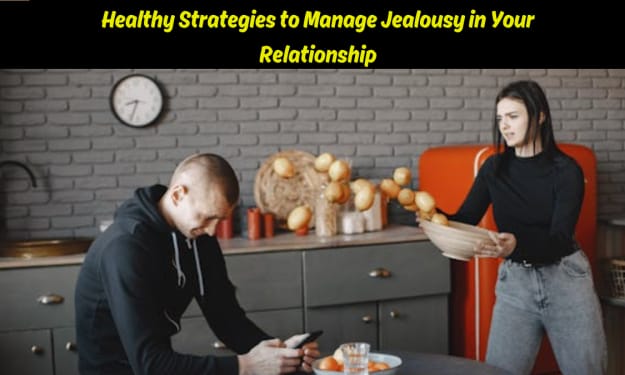
Healthy Strategies to Manage Jealousy in Your Relationship
Jealousy is a common emotion that can arise in any relationship. While it is a natural feeling, unchecked jealousy can lead to misunderstandings, conflicts, and emotional distress. Healthy managing jealousy in a healthy way is crucial for maintaining a strong and trusting relationship. This article will explore the causes of jealousy, and its effects, and provide practical strategies to manage it effectively.
By Abdul Jamil Nasir2 years ago in Humans
EXISTENTIALISM AND HUMAN PURPOSE
Existentialism, a philosophical movement that emphasizes individual freedom, choice, and subjective experience, challenges traditional notions of purpose and meaning in human life. Rooted in the works of thinkers such as Søren Kierkegaard, Friedrich Nietzsche, Jean-Paul Sartre, and Albert Camus, existentialism invites us to confront life's inherent uncertainties and create our own meaning.
By Badhan Sen2 years ago in Humans
PHILOSOPHY OF THE MIND
The philosophy of the mind is an intricate branch of philosophy that explores the nature, origin, and functioning of the mind. It examines questions about consciousness, perception, thought, and the relationship between the mind and the body. This essay delves into key topics, debates, and implications of studying the philosophy of the mind.
By Badhan Sen2 years ago in Humans