fact or fiction
Is it a fact or is it merely fiction? Fact or Fiction explores relationship myths and truths to get your head out of the clouds and back into romantic reality.
Bryan Kohberger’s Family. Backgound, Family situation, Current status
When Bryan Kohberger was arrested in connection with the brutal killings of four University of Idaho students, the world was stunned — but perhaps no one more so than his own family. As the case gripped headlines across the nation, attention quickly turned toward those closest to him. Who are Bryan Kohberger’s parents? Does he have siblings? And how have they responded to his arrest, trial, and now his sentencing?
By Bevy Osuosabout a year ago in Humans
Bryan Kohberger’s Family: What We Know About His Sister, Parents, and Their Reaction to His Sentence
When Bryan Kohberger was arrested in connection with the shocking murders of four University of Idaho students, the world immediately turned its attention not only to him, but also to the people closest to him—his family. What did his parents know? How have they reacted? And what has become of his sisters, once living quiet lives far removed from the chaos of a high-profile murder investigation?
By Bevy Osuosabout a year ago in Humans
First Kiss
It was May. The air carried the scent of endings and beginnings — the final days of school and the promise of summer drifting in the breeze. The afternoons grew shorter, the sun dipped low and filled the classrooms with a golden light that made everything look softer, almost unreal, as if whispering, “Go outside, the world is waiting”.
By Halina Piekarska (UltraBeauty Blog)about a year ago in Humans
How Much Does Online Negativity Really Affect Your Mind?
In a world where much of our lives play out online, from casual scrolling on social media to posting opinions in forums or sharing photos with friends, one thing is hard to avoid — online negativity. Whether it comes in the form of hateful comments, passive-aggressive replies, or outright bullying, the internet can often feel like a harsh, unforgiving place. But how much does this negativity actually affect your mind? The answer is more significant than most people realize. While the internet was once seen as a space for connection and sharing, it has increasingly become a battleground of opinions, criticisms, and personal attacks. Research now shows that this digital hostility doesn't just hurt feelings — it can have real psychological consequences. One of the most common forms of online negativity is cyberbullying. Unlike traditional bullying, which happens face-to-face, cyberbullying can occur at any time, follow people into the safety of their homes, and remain visible for others to see. Studies have linked cyberbullying to increased levels of depression, anxiety, low self-esteem, and even suicidal thoughts, especially among teenagers and young adults. But even less direct forms of online negativity — like reading hateful comments or being exposed to toxic conversations — can have an emotional impact. According to psychologists, repeated exposure to hostile content online can trigger stress responses in the brain. These responses include increased cortisol levels, disrupted sleep, and elevated heart rate, all of which are associated with chronic anxiety and emotional burnout. Social media platforms, where likes and comments can feel like personal validations, are particularly powerful in influencing self-worth. Negative feedback, such as criticism of appearance, lifestyle choices, or beliefs, can lead to self-doubt and feelings of inadequacy. For those already struggling with self-confidence, even a few harsh words online can magnify inner insecurities. Moreover, the anonymous nature of the internet often makes people feel more emboldened to say things they would never express in person. This creates a culture where negativity thrives and spreads quickly. Users who consume this negativity daily may find themselves feeling more cynical, irritable, or emotionally numb without realizing the source of their mood change. There is also a phenomenon known as emotional contagion, where people tend to adopt the emotions of those around them — even online. If your feed is filled with angry rants, bitter arguments, and hateful memes, your own mood can begin to reflect that hostility. Over time, this can subtly shift your mindset and change how you see the world and yourself. In some cases, online negativity can create paranoia and social withdrawal. People may fear expressing their thoughts or sharing personal stories due to fear of backlash. They may start editing their identity to fit in, avoiding topics they care about, or isolating themselves from digital communities entirely. This can lead to a lack of connection and support — the very things the internet was meant to provide. But there is good news. Awareness of these effects is growing, and many users are taking steps to protect their mental well-being online. Setting boundaries, such as limiting time on toxic platforms, muting negative accounts, and curating a more positive feed, can make a big difference. Practicing digital self-care — like taking breaks from screens, engaging in real-life activities, and focusing on face-to-face interactions — helps restore emotional balance. Also, speaking out against online negativity when you witness it and offering support to those affected can help foster healthier online communities. Platforms, too, are under increasing pressure to regulate harmful content and offer better tools for reporting abuse. In the end, online negativity is not just a small inconvenience. It can slowly erode mental health, lower self-esteem, and create lasting emotional scars. Recognizing its effects is the first step toward taking control. The internet can be a place of growth, connection, and inspiration — but only if we take steps to protect our minds from its darker side. Word count: 799
By DigitalAddiabout a year ago in Humans
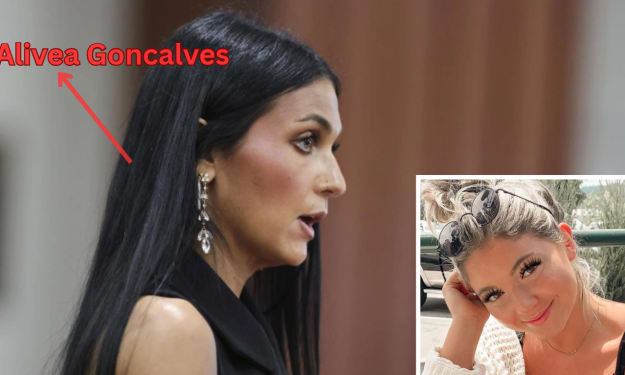
Kaylee Goncalves' Sister Speaks Out: Inside the Devastating Final Moments of the Idaho 4
It’s been nearly two and a half years since that horrifying November morning when four University of Idaho students—Kaylee Goncalves, Madison Mogen, Ethan Chapin, and Xana Kernodle—were found stabbed to death in their off-campus home. The world watched in shock; the tight-knit community of Moscow, Idaho, grieved a painful loss; and yet, the pain is no less raw for Alivea Goncalves, Kaylee’s sister.
By Bevy Osuosabout a year ago in Humans
The Million-Dollar Mistake
Jake stared at the reporter, knowing how ridiculous that sounded. But it was true. Every word of it. "Let me back up,"* he said, settling into his chair. *"Three years ago, I was twenty-four, living in my mom's basement, and working at a dead-end retail job. I had exactly forty-seven dollars in my bank account and a mountain of student debt that kept me awake at night."
By noor ul aminabout a year ago in Humans
The Last Library
Maya had always loved the smell of old books—that mix of vanilla, dust, and countless stories waiting to be discovered. But today, as she pushed open the heavy oak doors of the Riverside Public Library for what might be the last time, the familiar scent felt different. Sadder, somehow.
By noor ul aminabout a year ago in Humans
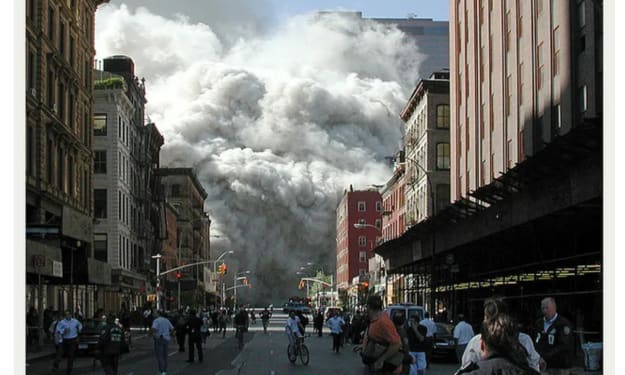
8 Photos From September 11th That You Have Never Seen
To Every Family Who Has Lost Someone: Your grief is real. Your love continues. Your person mattered. There are no words that can fill the empty space, but please know you're not alone in carrying it. Take all the time you need. Heal at your own pace.
By Burhan Afridiabout a year ago in Humans