fact or fiction
Is it a fact or is it merely fiction? Fact or Fiction explores relationship myths and truths to get your head out of the clouds and back into romantic reality.
Clash of the Stone Titans. AI-Generated.
I. The Arena The stadium smelled of sweat, dust, and crushed stone. Sunlight poured through cracks in the wooden beams, cutting golden slivers across the rocky arena floor. The crowd roared, a living wave of sound, as the competitors stepped forward. These weren’t ordinary wrestlers. Their muscles were carved like mountains, veins bulging like rivers across granite cliffs. But their greatest strength was not in their biceps or their grip—it was in their connection to the rocks themselves. Every wrestler carried a slab of stone, each one as unique as the person who bore it. Some were jagged and rough, others smooth and worn by years of training. The stones were more than weights—they were partners, extensions of their spirit. --- II. The Champions Jaro and Kellan had faced each other for nearly a decade. They had begun as friends, training in the shadow of the same quarry, their laughter echoing off stone walls. But the arena had a way of changing bonds into rivalries. Jaro’s slab was dark, streaked with veins of white quartz. Kellan’s was pale and speckled, like the clouds before a storm. Each stone carried the memory of every fall, every victory, every blistered hand that had pressed against it. Today’s match would decide the championship. The ground shook as they circled each other. Dust rose in thin columns around their feet. Every eye in the stadium followed the movements of the stone, not just the wrestlers. --- III. The Struggle The first clash echoed like thunder. Their stones collided, and a spray of dust exploded into the air. Hands gripped, feet pivoted, and muscles screamed in unison with the crowd’s roar. Jaro pushed with the force of a boulder rolling down a hill. Kellan resisted, twisting, ducking, and planting his slab like a shield. They were dancers, each move measured, each breath synchronized with the heartbeats of the stones beneath their hands. Memories of their youth flickered through Jaro’s mind—Kellan teaching him the proper stance, the laughter when a slab had slipped and nearly crushed a toe. Yet none of that mattered now. Only the arena, the stone, and the will to dominate. --- IV. The Turning Point For an instant, Jaro felt his slab shift. A hairline crack had formed over the years, a hidden weakness. He pushed harder. The stone trembled. The crowd held its collective breath. Kellan saw it, too. He leaned into his stone, planting it with the precision of a sculptor. Jaro stumbled. A roar erupted from the stands—but it wasn’t just the crowd; it was the echo of every match they had fought, every rivalry turned friendship turned rivalry again. In that moment, something unexpected happened. Both men froze. Their eyes met. And in the chaos of competition, they remembered the quarry, the laughter, the days when stones were teachers, not weapons. --- V. The Twist Suddenly, the arena floor quaked—not from the wrestlers, but from the earth itself. The giant stones they had wrestled with for years began to split, crack, and shift as if the world itself demanded their attention. The crowd panicked. Dust and small rocks fell from the ceiling. Jaro and Kellan dropped their slabs, scrambling to keep their footing. But when the dust settled, something remarkable had happened. Their stones had merged at the center of the arena, forming a single monolith, taller and stronger than either could have carried alone. No one had won or lost, yet the audience erupted. It was more than a match—it was a testament. Two wrestlers, two stones, one legacy. --- VI. The Legacy Years later, children trained in the same arena, carrying slabs of stone just like Jaro and Kellan once did. Stories of the titans spread beyond the cliffs and quarries. The monolith remained in the center, a silent reminder of strength, friendship, and the power of shared struggle. The wrestlers became legends—not because they defeated each other, but because they had learned that true strength comes from connection, endurance, and respect for the stones that teach us more than we ever know. --- Message to the Reader Strength is measured not just in what you can lift, but in what you can endure. Every challenge, every struggle, every friendship is a stone we carry—and sometimes, when we place it beside someone else’s, we build something stronger than ourselves. ---
By Muhammad Riazabout a year ago in Humans
The Anonymous Tip
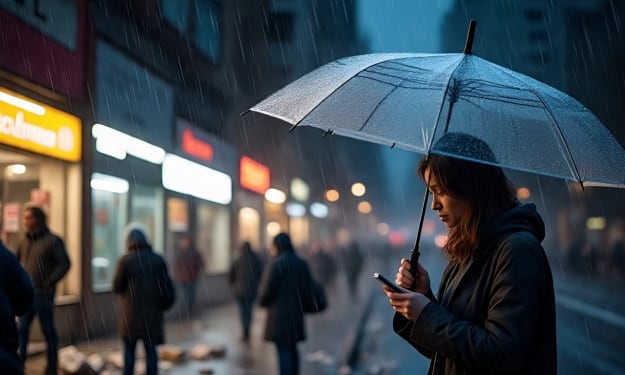
My name is Clara Edith and I had always thought my life was ordinary. I worked in a small office, kept to myself, and spent most evenings reading or walking through the quiet streets near my apartment. I liked the predictability, the simple routine, and the small sense of control it gave me. Then one rainy afternoon, everything changed with a single email. It came from an unknown sender. There was no name, no address, just a short message on my screen. Clara Edith, something is wrong at the corner of Fifth and Pine, check it now. I stared at the words, my heart beating faster than normal. I had never received messages like this before. The city outside my window blurred under the rain, and for a moment I wondered if I was imagining it. At first I wanted to ignore it, thinking it was some prank or mistake. But a voice inside me whispered to go, and I could not shake the feeling that the message was real. I grabbed my coat and umbrella and left my apartment. The streets were slick and nearly empty, the sound of rain masking most of the usual city noise. I kept looking at the message on my phone, trying to make sense of who could have sent it and why. When I reached the corner of Fifth and Pine, I saw a small crowd gathered near a closed store. People were talking quietly, some pointing at broken glass scattered on the sidewalk. A man lay trapped under a fallen sign, struggling to move. My pulse quickened as I ran toward him, joining a few bystanders trying to help. The urgency in the scene matched the urgency in the message I had received. I knelt beside the man, calling emergency services and trying to calm him. I could feel the rain soaking my coat, the wind whipping against my face, but nothing mattered except helping him. For a moment I wondered what would have happened if I had ignored the message. The thought made my hands tremble and my stomach twist. The paramedics arrived quickly and took over. I stepped back, wet and shivering, watching them work. No one seemed to notice how I had arrived so fast or why I had acted so quickly. A mix of fear and pride surged through me. That night, I could not sleep. The memory of the man’s face and the urgency in the message lingered in my mind. Later that evening, I received another message. Clara Edith, you made a difference today, be ready for more. I froze, staring at my phone. Who was sending these messages and why me? My life, which had felt ordinary and safe, suddenly seemed like a bridge to something far larger than myself. Someone, somewhere, was trusting me to act, to notice, to help. Over the next few weeks, the messages continued. Some were warnings, others gave small directions, like helping a lost child find his parents or noticing a car that was about to crash. Each time I followed a tip, I saw the outcome unfold exactly as described. The messages were always brief, always precise, and somehow they led me to be in the right place at the right time. One morning, a message said, Clara Edith, you cannot save everyone, choose who to help. I spent the day thinking about it. The words weighed heavily on me, forcing me to consider the limits of my actions. That evening, a building on my street caught fire. I ran there and helped people escape. Some of them I knew, some I did not. I realized the message had prepared me for the choice I needed to make. The anonymous tips taught me patience, courage, and awareness. I learned to pay attention to details, to trust my instincts, and to act without hesitation when needed. I never discovered who sent the messages, and I stopped trying to find out. It did not matter. What mattered was the impact I could have, the difference I could make. Over time, I began to see patterns in the messages. They were not random. They were about more than emergencies. They were about decisions that affected lives, small actions that could ripple outward, creating consequences far beyond what I could see. A simple choice to intervene, a gesture of kindness, or a warning delivered on time could change everything. I started keeping a notebook of all the messages I received, recording every detail, every warning, and every outcome. The notebook grew thick with reminders of what I had done, what I had prevented, and what I had learned. Each page was a story of connection and consequence, of trust in the unseen, and of the responsibility I had chosen to accept. Years passed, and the messages never stopped. They guided me through accidents, crises, and small moments of daily life. They taught me that ordinary people can hold extraordinary influence if they are willing to act. I became someone who noticed, someone who cared, someone who made a difference when the world seemed unaware. I still do not know who sends the messages. I do not know how they know, how they reach me. But I have learned to listen, to act, and to trust the guidance. My life is no longer ordinary, and I have come to accept that. I am Clara Edith, and I follow the anonymous tips, because even a single message can change a life, and every life is worth noticing. Now, every time my phone vibrates with a new message, I feel a sense of purpose and connection. I understand that the messages are not just warnings, they are invitations to act, to see, to intervene, and to shape the world in small but meaningful ways. I have learned that courage comes in quiet moments, and that sometimes the smallest act can have the greatest impact. I carry the lessons of each tip with me, knowing that the world is full of hidden dangers and opportunities, waiting for someone to pay attention. I am ready, always listening, always acting, because the future can be shaped one message at a time, and the anonymous tips are my guide.
By LUNA EDITHabout a year ago in Humans
Around Half Of U.S. Adults Drink Alcohol—A Record Low—But Sales Remain Steady
Key About This Only 54% of adults told Gallup they drink at all, the most recent data shows, a record-low number and a 4% drop from 2024. Young people self-reported a lower amount of drinking compared to their older peers, with 50% of people ages 18 to 24 saying they drink alcohol, compared to 56% of people over age 35. Men reported drinking more (57% compared to 51% of women), and white adults (56%) said they drink more than people of color (52%). For the first time in the history of Gallup's poll, a majority of Americans also said that drinking in moderation, even "one or two drinks a day," is bad for their health. Fifty-three percent of respondents said drinking was unhealthy, a sharp rise from the 28% who believed that to be true in 2018 and 39% in 2023. Fewer people also said they believed drinking could be beneficial—25% of people believed that in 2005, down to 19% in 2016 and 6% this year. Americans are choosing to drink alcohol, marking a record low in consumption levels, yet sales figures suggest the industry isn’t feeling much of a pinch—at least not yet. According to the latest Gallup poll, just 54% of U.S. adults say they consume alcohol at all. This figure represents a 4% decline from 2024 and is the lowest level recorded in Gallup’s decades-long survey history. The downward shift is most noticeable among younger adults. Only half of people aged 18 to 24 reported drinking alcohol, compared to 56% among those aged 35 and older. The generational divide highlights a clear cultural change—one that could reshape the future of alcohol consumption in America.
By Muhammad Sabeelabout a year ago in Humans
Does God Really Exist? Exploring Philosophy's Greatest Question
Table of Contents Introduction Historical Context Arguments Supporting God's Existence Arguments Against God's Existence The Current Philosophical Landscape Different Conceptions of God Conclusion
By Reframerootsabout a year ago in Humans
The Day a Stranger Changed My Life Forever
It was a bitterly cold winter morning — the kind where the wind feels like tiny needles piercing your skin. I stood at the bus stop, clutching my thin jacket around me. The zipper was broken, and no matter how tightly I held it closed, the icy air still found its way in. My fingers were numb. My stomach was empty. My mind… restless.
By Muhammad Kaleemullahabout a year ago in Humans
The Text Message I Almost Ignored — And How It Changed My Life Forever
The Message That Could Wait… Or So I Thought It was 9:47 p.m. on a Tuesday when my phone buzzed. I was halfway through a Netflix series, wrapped in a blanket, and holding a bowl of popcorn.
By The Narrative Hubabout a year ago in Humans
The Roads of Power
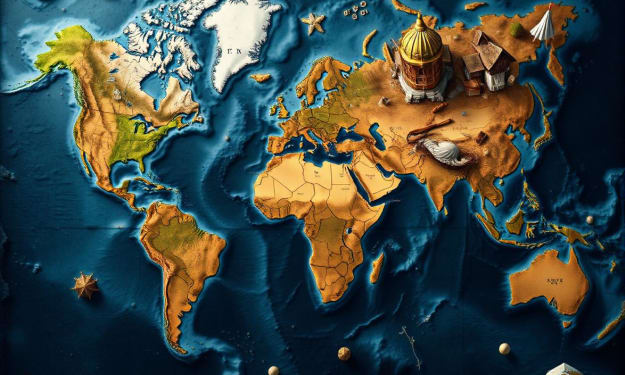
Surely you’ve heard the famous saying, “All roads lead to Rome,” but have you ever reflected on the deeper meaning behind it? This celebrated saying reflects the extraordinary power that ancient Rome wielded through a network of infrastructures built with a precise purpose: to extend dominance and strengthen control.
By Halina Piekarska (UltraBeauty Blog)about a year ago in Humans