fact or fiction
Is it a fact or is it merely fiction? Fact or Fiction explores relationship myths and truths to get your head out of the clouds and back into romantic reality.
Unlocking the Brain's Secrets: What Age Holds the Key to Smartness?
In the quaint town of Neuronia, anticipation hung in the air as the annual Brain Clash approached. Amir, a seasoned competitor, faced the daunting task of selecting the smartest teammate for the upcoming decathlon of mental challenges. As he mulled over his choices, he found himself torn between three remarkable individuals: Gabriela, the precocious 8-year-old with a knack for thinking outside the box; Ama, the brilliant satellite designer and soufflé virtuoso; and Mr. Taylor, the seasoned chess champion and five-time Brain Clash victor.
By Tallal Jafri3 years ago in Humans
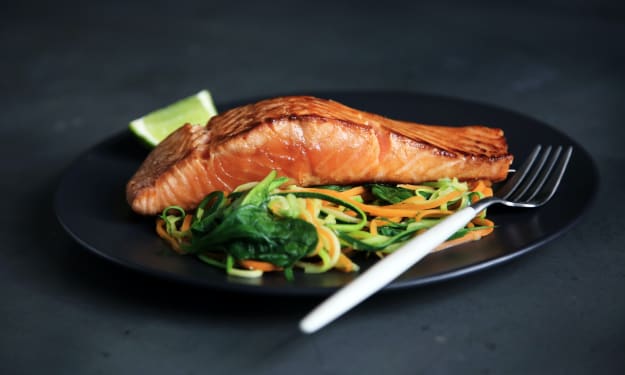
"The Pink Hue of Farmed Salmon: A Coloring Controversy."
"WHY IS SALMON PINK, IS IT NATURAL?" The natural development of the distinct color associated with salmon occurs in the wild due to their consumption of carotenoid-rich crustaceans and krill in their natural habitats. However, when farmed salmon are intensively raised in aquaculture environments and fed a diet lacking these naturally occurring pigments, a noticeable change takes place. Instead of the iconic color that is easily recognizable, the meat of farmed salmon becomes off-white and slightly greyish in appearance.
By fatima zahra ajankar3 years ago in Humans
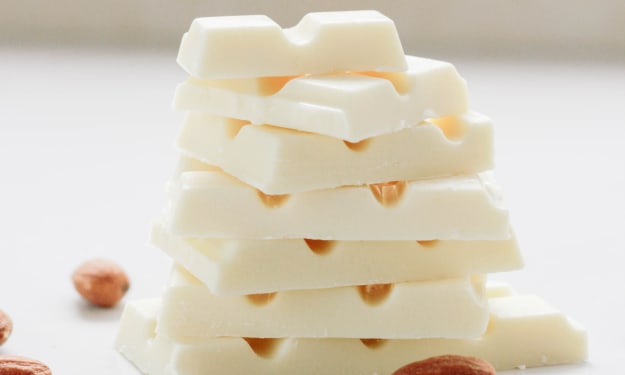
"Is White Chocolate is Chocolate?"
Introduction: White chocolate, with its ivory hue and sweet, creamy flavor, is a beloved treat often associated with its darker chocolate counterparts. However, despite its name, white chocolate isn't technically a member of the chocolate family. In this exploration, we delve into the world of white chocolate, uncovering its unique composition, its distinction from traditional chocolate, and the reasons behind its misleading name.
By fatima zahra ajankar3 years ago in Humans
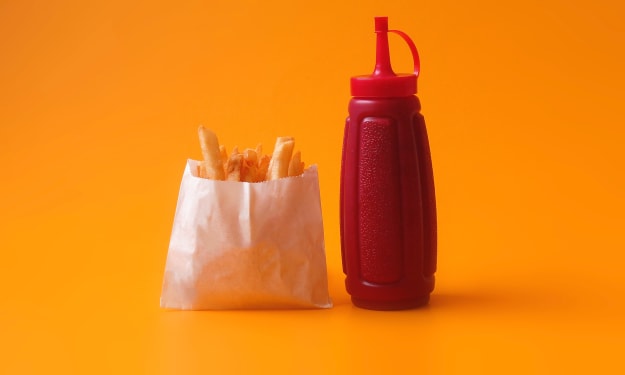
"The Medicinal Origins of Ketchup: From Healing Potion to Essential Ingredient."
"Did You Know That Tomato Ketchup Was Once Used As Medicine?" Ketchup, the widely used condiment seen on tables worldwide, is commonly linked to burgers, fries, and various savory meals. Nevertheless, the tale of ketchup is much more captivating than its present-day culinary applications. In a captivating turn of events, ketchup was not always limited to the realm of gastronomy—it was once celebrated as a healing potion with alleged health advantages. This investigation delves into the unexpected beginnings of ketchup as a medicinal substance, tracing its evolution from a supposed panacea to a cherished culinary accompaniment.
By fatima zahra ajankar3 years ago in Humans
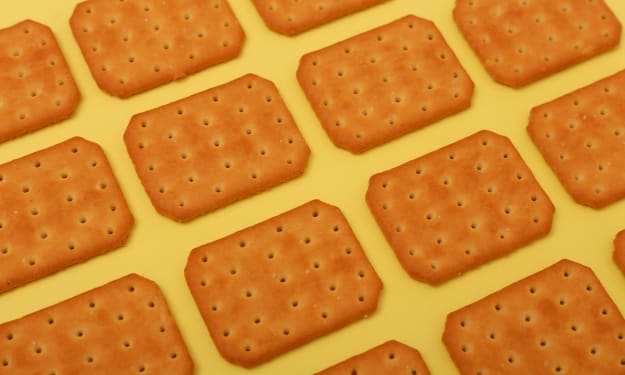
"Why Do Crackers Have Holes in Them?"
"Have you ever wondered why crackers have holes in them?" The holes in crackers like saltines, graham crackers, Ritz, or Club crackers serve a functional purpose in creating the desired texture and crispness. When making crackers, the dough is hydrated, meaning the liquid ingredients outweigh the dry ingredients. As the hydrated dough bakes, it releases steam. This steam creates an open crumb texture in bread, characterized by small air pockets throughout. However, crackers are not intended to rise like bread.
By fatima zahra ajankar3 years ago in Humans
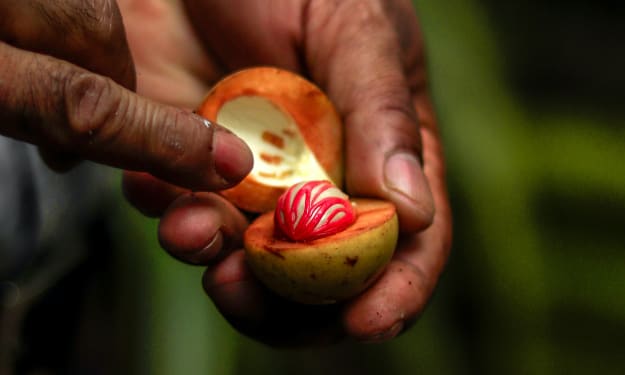
"Nutmeg possesses hallucinogenic properties."
Introduction: Nutmeg, a spice synonymous with holiday baking and comforting flavors, carries a rich history that extends beyond the realm of the culinary. While most people associate nutmeg with its warm and aromatic essence, it's not widely known that this seemingly innocuous spice possesses compounds that, in large quantities, may have hallucinogenic effects. In this exploration, we delve into the dual nature of nutmeg, exploring its culinary uses, its chemical composition, and the potential hallucinogenic properties that have intrigued and occasionally concerned both culinary enthusiasts and researchers alike.
By fatima zahra ajankar3 years ago in Humans
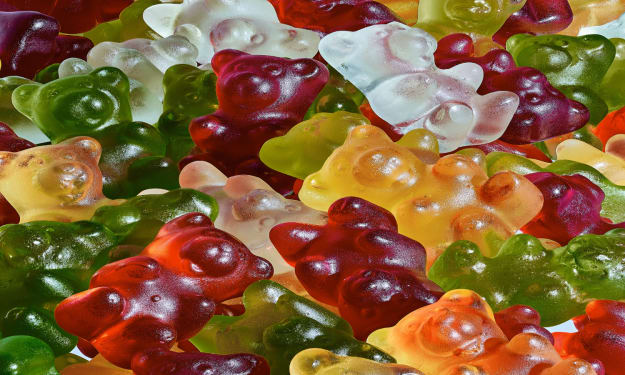
"Car wax enhances the brilliance of fruit-flavored snacks."
Did you know fruit-flavored snacks shine because of car wax? Introduction: Fruit-flavored snacks have become a staple in the modern snack landscape, offering a burst of fruity sweetness in convenient, bite-sized forms. Yet, behind the scenes of these vibrant and shiny treats lies an unexpected ingredient that contributes to their glossy appearance: car wax. In this exploration, we unveil the surprising connection between fruit-flavored snacks and car wax, delving into the reasons behind this unconventional practice and its implications for both the snack industry and consumers.
By fatima zahra ajankar3 years ago in Humans
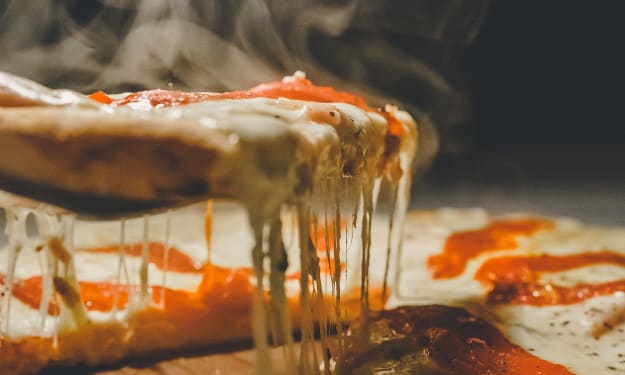
"The world’s most expensive pizza."
"I want someone to look at me the same way I look at pizza." The tale of how it all began and the visionary behind it: Are you enticed by the idea of a piping hot pizza adorned with your favorite vegetables, succulent chicken slices, and a generous amount of cheese? If so, how much would you be willing to spend on such a delectable treat? Perhaps a thousand rupees? Maybe even 5000 rupees for an exceptionally tasty pizza in a pleasant ambiance? However, did you know that there exists a pizza that costs a staggering 77 lakh rupees, and yet people are willing to pay for it? Yes, we are referring to the world's most expensive pizza, Louis XIII, which carries a jaw-dropping price tag of $12,000!
By fatima zahra ajankar3 years ago in Humans
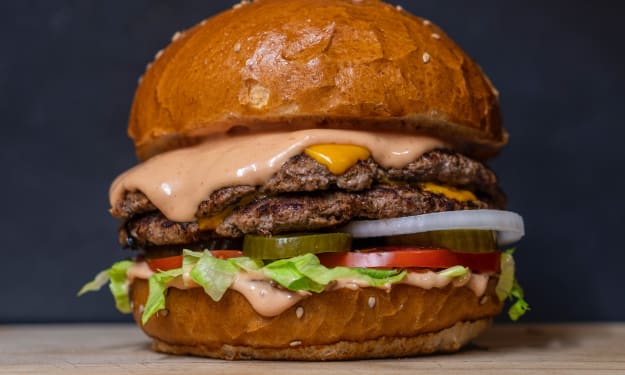
"One fast-food burger can have meat from 100 different cows."
A single McDonald's patty has the potential to include the meat from as many as 100 cows, which is quite astonishing. The convenience, speed, and familiar taste of a fast-food burger make it incredibly appealing. However, the process of ordering one at your go-to fast-food restaurant is far from simple. It reveals a captivating and intricate reality: a single fast-food burger can consist of meat from up to 100 different cows. In this investigation, we will delve into the complex network of meat sourcing within the fast-food industry. By examining the reasons behind this phenomenon, we will uncover its implications for both consumers and the food supply chain.
By fatima zahra ajankar3 years ago in Humans