fact or fiction
Is it a fact or is it merely fiction? Fact or Fiction explores relationship myths and truths to get your head out of the clouds and back into romantic reality.
The limits of human vision and the perception of the invisible
The perception we have of the world is mediated by our senses, and in particular by vision, one of the most powerful but also limited senses. Although we see with surprising clarity the world around us, our visual perception is just a tiny fraction of a much larger universe. The human eye is designed to perceive only a limited range of electromagnetic frequencies, what we call visible light, but the reality surrounding us is much more complex and escapes our everyday senses. What we cannot see, however, does not mean it doesn't exist. And the way our senses, particularly vision, interact with reality is much more complex than we think. One of the most intriguing experiments exploring the limits of visual perception is that of total darkness, which helps us understand not only how limited our senses are, but also how our perception of reality can be an illusion.
By Halina Piekarska (UltraBeauty Blog)about a year ago in Humans
Why Harvard Decided to Fight Trump
One of the most prestigious universities in the world, Harvard University has long been a symbol of intellectual rigor and progressive values. It has frequently been at odds with political leaders whose policies are at odds with its principles over the years. However, Harvard's opposition to former President Donald Trump is unlike any other conflict that has been as public and contentious. From legal battles to public statements, Harvard took a firm stance against many of Trump’s policies and rhetoric. But why did an Ivy League university, traditionally cautious about political entanglements, decide to confront a sitting U.S. president? The reasons range from ideological differences to direct threats against Harvard’s core mission.
By MOHAMMED JAMIUL ISLAMabout a year ago in Humans
You’re Not “Behind” in Life—You’re on Your Own Damn Timeline
At 25, I thought I was behind. Behind in my career. Behind in relationships. I was unable to figure out what I was supposed to do with my life. I’d scroll through social media and see classmates getting married, buying houses, traveling the world, or building businesses—and I’d wonder what went wrong for me.
By Mahibul Mahtab Rumman2 years ago in Humans
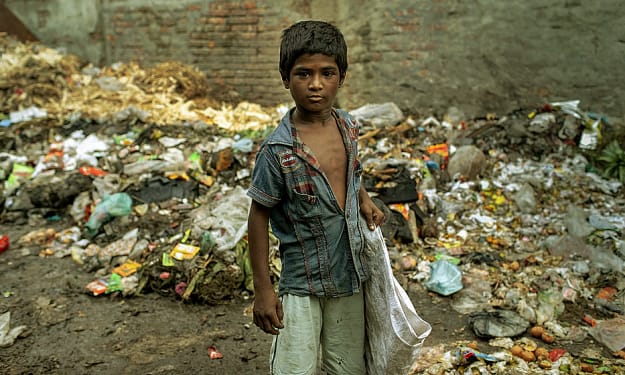
Who would answer this ragpicker's questions...
He didn’t even know his own name. His mother had died shortly after he was born. His father was caught smuggling drugs and sentenced to 13 years in prison. So, a social organization placed him in an orphanage. When he was four years old, a local businessman demolished that orphanage. Since then, he had been living on the streets. He didn’t know his name, his identity or even his religion — whether he was Hindu, Muslim, Christian or other religion.
By Md. Parvej Hasan Sojib2 years ago in Humans
Roblox Faces Criticism Over Child Safety
Roblox, the massively popular online gaming platform with over 70 million daily users—many of whom are children—is facing renewed scrutiny over its child safety practices. A recent investigative report highlighted the platform's persistent risks of sexual exploitation, inappropriate content, and predatory behavior and accused the company of a "systematic failure to keep children safe."
By Tanmoy Hossain2 years ago in Humans
The Lost Art Of Patience In A Fast-Paced World
We live in an age of instant gratification. A world where a single tap on a screen can deliver food to your doorstep, bring a movie to your TV, or show you the latest updates from people thousands of miles away. Information travels faster than ever, opportunities feel endless, and waiting has almost become a forgotten skill. But while technology has made life more convenient, it’s also made us less patient. We get frustrated when a video takes more than a few seconds to load or when an online order arrives a day late. We expect quick results from everything — our careers, relationships, health, and dreams. Yet some of the most meaningful and rewarding things in life still take time. And this is where patience, an old-school virtue, becomes more valuable than ever. Why Patience Still Matters Patience isn’t just about waiting. It’s about how you behave while you wait. It’s the ability to stay calm, optimistic, and consistent in the face of delays or challenges. More importantly, it’s about trusting the process, even when results aren’t immediate. Consider anything worthwhile you’ve achieved in life so far — whether it’s learning a skill, building a friendship, or improving your health. None of those things happened overnight. They required time, effort, and yes — patience. Patience teaches resilience. It reminds us that struggles are part of growth and that most valuable things can’t be rushed. It also helps us make better decisions, because when you’re patient, you’re less likely to act out of frustration or impulse. The Consequences of Impatience Impatience often leads to shortcuts, and shortcuts rarely produce lasting results. In business, rushing decisions can result in mistakes and lost opportunities. In relationships, impatience can cause misunderstandings or missed connections. In personal goals, giving up too quickly can mean you never discover what you’re truly capable of. Many people quit their dreams not because they weren’t good enough, but because they lacked patience. They expected success too soon, and when it didn’t arrive, they abandoned the journey. What they didn’t realize is that growth is happening in the background — quietly, steadily — as long as you keep moving forward. Examples of Patience in Success History is filled with examples of people who achieved great things because they understood the value of patience. Thomas Edison made over 1,000 unsuccessful attempts before finally inventing the working light bulb. J.K. Rowling’s Harry Potter manuscript was rejected by 12 publishers before it became a worldwide phenomenon. These stories aren’t about instant success — they’re about persistence, patience, and unwavering belief in the process. Even in nature, some of the most beautiful things take time. A tree doesn’t bear fruit the day it’s planted. It needs seasons of sun, rain, and nurturing. The same applies to our goals and aspirations. How to Cultivate Patience in Daily Life The good news is that patience is a skill, and like any other skill, it can be developed. Here are a few ways to practice it: 1. Focus on progress, not perfection. Every small step forward is better than standing still. 2. Limit your comparisons. Everyone’s journey is different, and good things come at different times for different people. 3. Practice mindfulness. Being present in the moment can reduce frustration and help you appreciate what you have now. 4. Set realistic expectations. Accept that worthwhile goals often take longer than we’d like. 5. Remind yourself of the bigger picture. Temporary delays don’t mean failure. Final Thoughts In a world that moves fast, patience is a quiet superpower. It keeps you grounded, sharpens your focus, and allows you to experience life with deeper appreciation. While technology will continue to speed up certain things, the most meaningful experiences — love, wisdom, success, and self-discovery — will always require time. So, embrace patience. Trust the process. And remember: slow progress is still progress.
By SHADOW-WRITES2 years ago in Humans
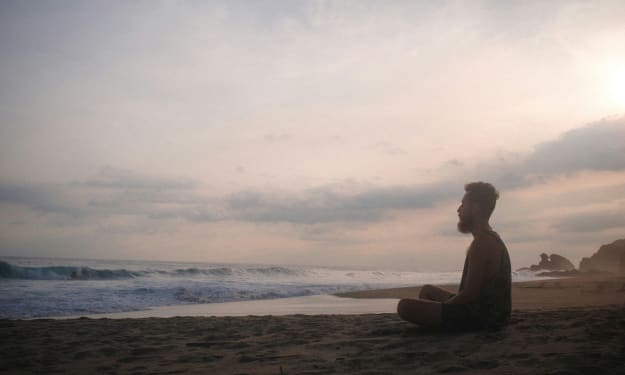
Unveiling the Spiritual Essence of Meditation: Harnessing Cosmic Energy. Content Warning.
Spiritual reality takes you through a unique journey, a journey which will change your life, a journey which will enrich you and make you knowledgeable and blissful. Spiritual reality is a program on meditation and meditation experiences while you watch this program. Be totally relaxed. Just witness it.
By safiuzzaman2 years ago in Humans