celebrities
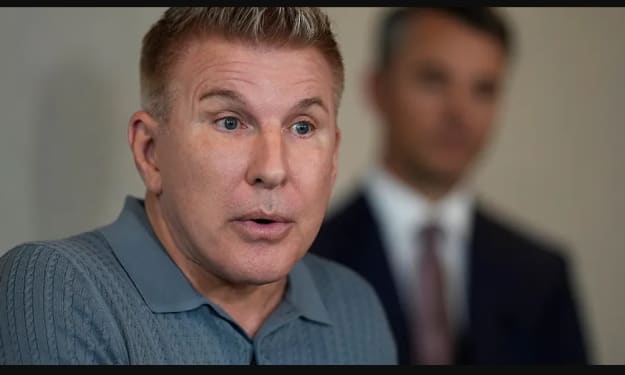
It can be hard to keep up with celebrity relationship low-down, but we certainly try.
If you want to start impressing people with your personality, say goodbye to these 7 behaviors
Unlock Your Charm: 7 Behaviors to Ditch for a More Impressive Personality Subtitle: Discover the key to making a lasting impression by shedding these 7 habits that can hold you back from showcasing your true personality
By SophiaSosoabout a year ago in Humans
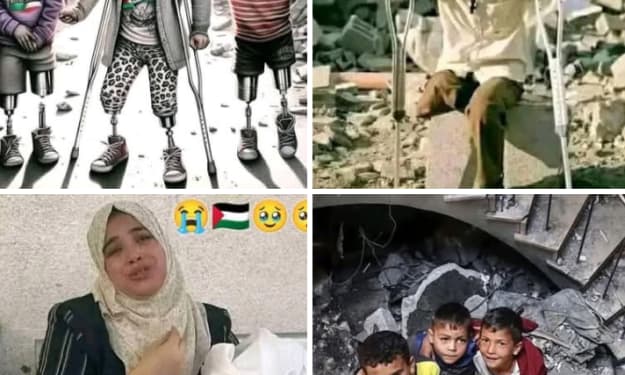
A Cycle of Suffering in Gaza
The Fragile Ceasefire The guns fell silent on November 24, 2023, marking Gaza's first dawn in seven weeks without the mechanical whine of drones. As the pale winter sun rose over shattered neighborhoods, people emerged like ghosts from the rubble. Um Youssef, a 58-year-old grandmother, knelt in what remained of her kitchen, sifting through broken dishes with trembling hands. "This was where I made maqluba every Friday," she told a neighbor, her voice cracking as she held up a single surviving coffee cup.
By Muhammad Israrabout a year ago in Humans
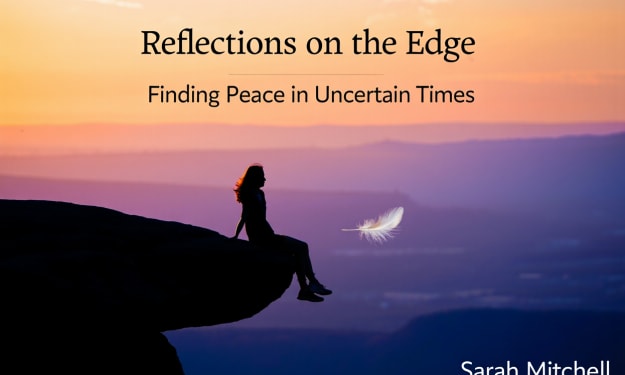
The Silence That Taught Me Everything
The Silence That Taught Me Everything — A Journey Through Pain, Reflection, and Unexpected Wisdom I never used to fear silence. I simply never noticed it. My days were full—conversations, background noise, the hum of city life. But that was before everything fell apart. Before I realized that silence isn’t just the absence of sound. Sometimes, it’s the presence of something deeper. Something that demands to be heard.
By Kamran khanabout a year ago in Humans
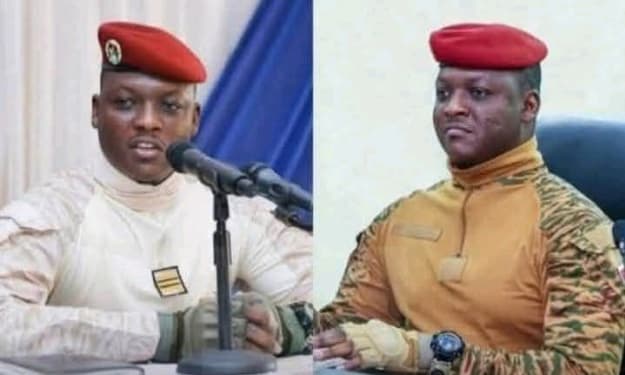
Ibrahim Traoré: How Can His Successes in Burkina Faso be Measured?
Burkina Faso is a 20 million population densed sovereignty of which a very high percentage of the citizens are poor people who are busy trying to feed themselves. In recent years, Islamists have raised their heads there by creating a national conflict that further deepens the plight of the people, and in the fight against them, special forces arose to the occasion from which Captain Ibrahim Traore distinguished himself and emerged with his sterling qualities of a patriot leader. At some point, he realized that he would be the best person to manage the country, so he seized power in 2022.
By Uchenna Cosmas Nwokafor about a year ago in Humans
Influencer, carefull~
In today’s digital age, influencers are everywhere. They set trends, shape opinions, and sway purchasing decisions with a single post. While some strive for authenticity, others prioritize profit over truth, misleading their audience for financial gain. The polished Instagram posts, flashy YouTube content, and carefully curated TikTok videos often create an illusion that blinds followers to a harsh reality—many influencers aren’t as genuine as they seem.
By Edge Alexanderabout a year ago in Humans
The Illusion of Difference: How Society Shapes the Gap Between Rich and Poor
We live in a world where the divide between the rich and the poor often feels insurmountable. Wealth inequality is discussed in media, politics, and everyday conversations, reinforcing the idea that the rich and poor are fundamentally different. But what if the gap isn’t as inherent as we’ve been led to believe? What if it’s society’s systems, structures, and perceptions that create this division rather than any real disparity in human potential? Let’s delve into the societal constructs that perpetuate this illusion and uncover why the difference between the rich and poor might be less about reality and more about perception. 1. Access to Opportunities: A Man-Made Divide The primary difference between the rich and the poor lies in access to opportunities, not ability. Society is structured in a way that favors those who already have wealth, offering them better education, healthcare, and career prospects. The poor often face systemic barriers, such as underfunded schools or limited access to resources, which restrict their ability to climb the socioeconomic ladder. Truth: With equal access to resources, the potential for success exists in everyone. 2. The Myth of Hard Work Equals Wealth Society often perpetuates the belief that the rich are rich because they worked harder or smarter, while the poor didn’t. This narrative oversimplifies the complexities of socioeconomic mobility. Many people in poverty work multiple jobs, often under harsh conditions, yet struggle to make ends meet. On the other hand, some wealth is inherited, accumulated through privilege rather than effort. Truth: Hard work is not exclusive to any economic class; the outcomes are heavily influenced by the starting point. 3. Social Conditioning and Stereotypes From an early age, we’re conditioned to see wealth as a marker of success and poverty as a failure. These stereotypes are reinforced by media, where the rich are portrayed as glamorous and the poor as unmotivated. This conditioning creates a psychological divide, making it harder for people to empathize with one another. Truth: Wealth or lack of it does not define a person’s character, intelligence, or worth. 4. The Role of Power and Influence Money buys influence in a way that further perpetuates the divide. The wealthy have the means to shape policies, control narratives, and secure privileges for themselves and their networks. This creates a cycle where the rich get richer, and the poor are excluded from decision-making processes that affect their lives. Truth: The concentration of power amplifies the divide, but it is not indicative of personal superiority. 5. Shared Human Experiences At the core, rich and poor people experience the same fundamental emotions: joy, sorrow, love, fear, and hope. Relationships, health, and purpose matter to everyone, regardless of their bank balance. Society exaggerates material differences while neglecting the shared humanity that binds us all. Truth: Wealth does not change what it means to be human. 6. A System Designed to Divide The economic systems we live in—capitalism, in particular—thrive on inequality. For businesses to maximize profits, there must be a workforce willing to work for less. For political systems to rally support, they often rely on highlighting class differences to create division. Truth: The system benefits from the illusion of difference, but this can be challenged. 7. Breaking Down the Illusion Real change begins when we stop seeing wealth as the defining factor of someone’s value. By addressing systemic inequalities, promoting fairness in opportunities, and dismantling stereotypes, we can start bridging the gap. Truth: The divide can shrink if we change how we view and structure society. Conclusion: Unity Over Division The difference between rich and poor is largely a construct designed to serve societal systems and perpetuate inequality. At the core, we are all human beings with the same potential for growth, creativity, and compassion. Recognizing this shared humanity is the first step toward dismantling the barriers that keep us divided. By shifting our perspective and advocating for fairness, we can create a world where wealth no longer defines our worth or limits our opportunities. After all, the greatest wealth lies in unity, empathy, and the collective progress of humanity.
By Aysha Akhter about a year ago in Humans
MC Jessy: Wife, Age, Biography, Net Worth, Tribe, Real Name & More
MC Jessy is a household name in Kenya’s comedy and entertainment scene. With his sharp wit, captivating stage presence, and consistent career growth, he’s built a brand that resonates across generations. But behind the jokes and laughter is a story of determination, family, and business smarts. So, who is MC Jessy really? Here’s everything you need to know — from his real name and tribe to his wife, age, and net worth.
By Marveline Merababout a year ago in Humans