art
The best relationship art depicts the highs and lows of the authentic couple.
How Much Savings Should You Have at Each Age?
How Much Savings Should You Have at Each Age The "How America Saves 2024" report by Vanguard shows an average 401(k) balance of $91,281 for those aged 35 to 44 by 2023. This figure stresses the need for a savings goal by age. It's key to plan for a secure financial future by knowing how much to save at each age.
By Aman Saxena2 years ago in Humans
Golden Spice, Dark Secret: Lead Contamination in Turmeric
Introduction Turmeric is a beloved spice, especially in Indian cuisine and traditional medicine. Its vibrant yellow color and health benefits make it a staple in many households. However, recent reports have raised serious concerns about lead contamination in turmeric. This issue not only threatens the health of consumers but also highlights the need for stricter regulations and safer alternatives like organic turmeric.
By creative articles2 years ago in Humans
21 Sentences to Build Mental Strength
Mental strength is a powerful tool that enables you to navigate life’s challenges, face adversity, and build resilience. It’s not something you're born with; it’s cultivated through the way you think, behave, and react to the world around you. Here are 21 sentences that, when internalized, can help you develop a mindset that makes you mentally stronger than 98% of people.
By Red Light signal2 years ago in Humans
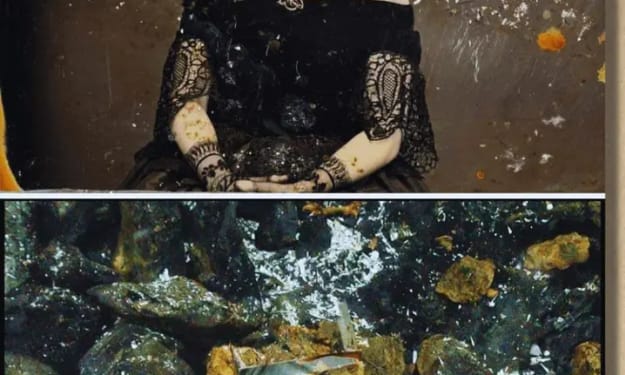
The Mona Lisa of the Deep: The Enigmatic Daguerreotype of the SS Central America
In 2014, a remarkable discovery emerged from the depths of the Atlantic Ocean: a hauntingly beautiful daguerreotype of an unknown lady, found in the wreckage of the SS Central America. Dubbed the "Mona Lisa of the Deep," this photograph is not just a relic of the past—it is a window into the mid-19th century, a time of optimism, expansion, and tragedy. The SS Central America, often referred to as the "Ship of Gold," sank in 1857, taking with it an extraordinary treasure now valued at over $765 million. Among the artifacts retrieved from the wreck, the daguerreotype stands out for its mystery and poignancy, captivating historians, treasure hunters, and art enthusiasts alike. The Ill-Fated Voyage of the SS Central America The SS Central America was a side-wheel steamer that played a crucial role in transporting passengers and gold between Panama and the United States during the California Gold Rush. On September 12, 1857, the ship encountered a catastrophic hurricane off the coast of South Carolina. Carrying over 500 passengers and nearly 30,000 pounds of gold, the vessel succumbed to the storm. More than 400 lives were lost, along with a fortune that would have a profound economic impact on the United States, contributing to the Panic of 1857. The ship remained untouched for over a century, lying 7,200 feet below the ocean's surface. It wasn’t until the 1980s that advanced technology enabled explorers to locate the wreck. Subsequent expeditions yielded a treasure trove of artifacts, including gold coins, jewelry, and personal items—but few objects carried the emotional weight of the daguerreotype. The Mona Lisa of the Deep Daguerreotypes, an early form of photography invented by Louis Daguerre in 1839, were delicate and intricate. Made by exposing a polished silver plate to light, these photographs were highly prized for their lifelike quality. They were often cherished possessions, used to memorialize loved ones or significant moments. The daguerreotype found aboard the SS Central America depicts a young woman with a serene yet enigmatic expression. Her identity is unknown, as is the reason for her photograph being on the ill-fated ship. Was she a loved one of a passenger, a keepsake carried for comfort during the journey? Or perhaps she was a symbol of hope for a miner returning home with newfound wealth? The photograph earned the nickname "Mona Lisa of the Deep" because of its haunting beauty and the sense of mystery that surrounds it. Like Leonardo da Vinci’s masterpiece, it invites endless speculation about the subject’s identity, story, and the emotions captured in that moment. A Treasure Beyond Gold While the gold recovered from the SS Central America holds immense monetary value, artifacts like the daguerreotype provide something equally precious: a connection to the human lives touched by the tragedy. The photograph, preserved in the cold, dark depths of the ocean, offers a glimpse into a bygone era. The intricate details of the woman’s attire, hairstyle, and expression speak volumes about 19th-century culture and society. For historians, the daguerreotype is a valuable artifact that adds depth to our understanding of the people and their world during the mid-1800s. The Recovery and Preservation Recovering artifacts from a wreck as deep as the SS Central America is a monumental task. Using advanced remotely operated vehicles (ROVs), explorers carefully retrieved the daguerreotype, along with other treasures. The deep-sea environment played a crucial role in preserving the photograph, protecting it from light, air, and microbial decay. Once brought to the surface, the daguerreotype underwent meticulous conservation efforts to stabilize and protect it from further deterioration. Today, it is a testament to the craftsmanship of early photography and the enduring power of human connection. The Mystery of the Unknown Lady The identity of the woman in the daguerreotype remains unknown, sparking fascination and speculation. Was she someone’s wife, daughter, or sweetheart? Did her image provide comfort to a passenger during the perilous journey? Or was she a symbol of hope and prosperity for someone returning to their family with the promise of a golden future? Without records or identifying marks, her story is lost to time. Yet, her image continues to resonate, reminding us of the human stories behind historical events. The Legacy of the SS Central America The discovery of the SS Central America and its treasures has enriched our understanding of the past. Artifacts like the daguerreotype offer a deeply personal glimpse into the lives of those who lived during the California Gold Rush. Beyond its historical significance, the "Mona Lisa of the Deep" challenges us to reflect on the fragility of human life and the enduring power of memory. In the face of disaster, the photograph survived, carrying with it the whispers of a forgotten life. Conclusion The "Mona Lisa of the Deep" is more than just a photograph; it is a poignant reminder of the lives lost and the stories untold from the tragedy of the SS Central America. As it rests in museums and exhibitions today, it invites viewers to connect with history on a deeply human level. In the depths of the ocean, surrounded by gold and artifacts, this delicate daguerreotype emerged as one of the most valuable treasures recovered—not for its monetary worth, but for its ability to stir our imaginations and remind us of the human spirit that endures even in the face of catastrophe.
By Deji Akomolafe2 years ago in Humans
Never Underestimate the Work of Others: Understanding the Price of Success
In a world where achievements are celebrated and success is often glamorized, it’s easy to overlook the hard work and sacrifices that underpin those victories. From a distance, another person’s job or journey may appear effortless, but the truth is rarely as simple. As the saying goes, “Every job seems easy when someone else is doing it.” This phrase holds a profound truth about the nature of work, the value of effort, and the unseen struggles behind success. Too often, we fail to understand the real cost of success—not just in terms of time and energy, but also in terms of resilience, sacrifice, and dedication. This blog delves into why it’s essential to respect the work of others, appreciate their efforts, and avoid underestimating the challenges they face. The Illusion of Effortlessness Many of us have looked at someone else’s job or achievements and thought, “That doesn’t look too hard.” Whether it’s the polished presentation of a public speaker, the seamless performance of a musician, or the apparent ease of a manager leading a team, it’s natural to assume that if they can do it, so can we. However, this perception is often a product of ignorance. What we see is the result of years of practice, learning, and refining. The musician who performs flawlessly on stage has spent countless hours mastering their craft. The manager who seems to navigate challenges effortlessly has likely spent years building experience and honing their skills. Success, when viewed from the outside, often hides the blood, sweat, and tears that went into achieving it. The Hidden Struggles Behind Success Success is rarely, if ever, handed to anyone. It comes with its own set of challenges, struggles, and sacrifices. Here are some aspects of success that are often invisible to outsiders: 1. Time and Effort The time invested in mastering a skill or achieving a goal is immense. Whether it’s late nights, early mornings, or countless hours spent practicing, most successful people dedicate significant portions of their lives to their craft. 2. Failures and Setbacks Behind every success story lies a trail of failures, mistakes, and lessons learned. These moments are rarely publicized, but they are integral to the process. Without perseverance, those setbacks could have derailed even the most talented individuals. 3. Sacrifices Success often requires giving up certain comforts or opportunities. It could mean sacrificing time with family, missing social events, or enduring periods of financial instability. These sacrifices are part of the price many pay for their achievements. 4. Mental and Emotional Challenges The pressure to succeed can take a toll on mental and emotional well-being. Anxiety, self-doubt, and burnout are common struggles for those who are deeply committed to their work. 5. Support Systems Success is rarely a solo journey. Behind every successful individual is a network of support—family, mentors, colleagues—who contribute in ways that may go unnoticed. Why We Should Respect the Work of Others Understanding the hidden cost of success is key to appreciating the efforts of others. Here’s why it’s crucial to respect the work people do: - Empathy Builds Connections Recognizing the challenges others face fosters empathy. It helps us connect on a deeper level and understand the struggles that are universal, even if the circumstances differ. - Prevents Underestimation When we dismiss someone’s efforts as “easy,” we devalue their hard work. Respecting their journey ensures that we give credit where it’s due. - Encourages Collaboration In professional and personal relationships, appreciating the work of others builds trust and collaboration. It creates an environment where people feel valued and motivated. - Inspires Growth Acknowledging the effort behind success can inspire us to work harder and appreciate our own journeys. It reminds us that there are no shortcuts to achieving our goals. How to Practice Respect for Others’ Work To truly respect the work of others, we must cultivate mindfulness and humility. Here are some practical steps: 1. Ask Questions Instead of making assumptions, ask people about their work, their challenges, and their journey. Listening to their stories can broaden your perspective. 2. Recognize the Effort Whether it’s a colleague’s project or a friend’s accomplishment, take a moment to acknowledge the effort they put in. A simple “I see how hard you’ve worked on this” goes a long way. 3. Avoid Comparisons Comparing someone’s achievements to your own can lead to resentment or false assumptions. Focus on learning from their success rather than measuring yourself against them. 4. Be Humble No matter how skilled or experienced you are, remember that everyone has their own strengths and challenges. Staying humble helps you appreciate the diversity of talents and efforts around you. 5. Support Others Offer encouragement and support to those working toward their goals. Your recognition can be a powerful motivator. Conclusion The next time you catch yourself thinking someone else’s job or success looks easy, pause and reflect on what might lie beneath the surface. Every achievement, no matter how effortless it appears, comes with its own unique challenges and sacrifices. Respecting the work of others is not just about giving credit—it’s about fostering empathy, building connections, and understanding the shared struggles of the human experience. By appreciating the price of success, we not only honor others’ journeys but also find inspiration for our own.
By Deji Akomolafe2 years ago in Humans
A Memory of Unspoken Feelings
Good evening, everyone. Today, I want to share a story from my school days, a story about a quiet, unforgettable chapter of my life—a story of admiration, innocence, and unspoken feelings. It was the first day of my XI standard. I had entered the classroom two hours late because of some paperwork in the school office. As I walked in, all eyes turned toward me. I was used to it—being the jolly, carefree type who was often the center of attention. After a quick glance around, I found a seat and settled in. That’s when I first noticed her. She sat in the corner of the room, her head lowered as she scribbled something in her notebook. She was different—quiet, reserved, and barely noticeable to most of the class. With her spectacles framing her delicate features, she looked... cute. Not in a flashy or obvious way, but in a way that made you want to look twice. The class strength was 63—a bustling, noisy bunch of students where everyone seemed to know each other. Yet, she stood apart. She was the kind of person who blended into the background so effortlessly that even the teachers struggled to remember her name. I, on the other hand, was the complete opposite. Always joking, dreaming, sleeping during lectures, and pulling pranks. Everyone in the school knew me—sometimes for the right reasons, but mostly for my mischief. Despite my usual carefree demeanor, I found myself drawn to her. Every half hour, my eyes would dart toward her. I’d steal glances when I thought no one was looking, trying to figure out what made her so captivating. Was it her silence? Her calm presence? Or the way she carried herself with an air of quiet confidence?
By Say the truth 2 years ago in Humans
What Young Women Want in Love and Lust. Content Warning.
Introduction In today's world, young women face emotional and physical needs when dating. The modern era has changed how we form and keep relationships. This has made many wonder what they want in love and lust.
By Abdul Jamil Nasir2 years ago in Humans
Exploring the Art of Graceful Movements and Flexibility
Contemplations of the Flowing Postures and Dynamics in Rhythmic Gymnastics Rhythmic gymnastics is not a sport that comprises various parts of gymnastics dancing and performing arts, which make it look spectacular and majestic. This apparatus includes ribbons, hoops, balls, clubs, ropes amongst others and makes the show eye-catching making it among the most engaging sports. However, subtle efficiency seen in each move takes years of practice, hard-work, discipline and an enormous amount of body and mental focus. Here in this blog, I’m going to take you through rhythmic gymnastics and why ambassadors like flexibility and the display of rhythmic movements are essential for this sport.
By thomasjorda2 years ago in Humans
Young Women: Empowering the Next Generation to Lead
Introduction The world is seeing a big change in leadership, with a focus on empowering young women. They are ready to break new ground, bringing fresh ideas and strong will to many fields. This change is about more than just equality; it's about unleashing the power of young female leaders.
By Abdul Jamil Nasir2 years ago in Humans