
Schools of Thought – A Vocal Journey Through Indian Education
Featured image suggestion: A collage of five images – a historic school building, a university campus, a classroom, a nursing college, a polytechnic workshop.

I became curious about how different schools operate. Some are funded by the government. Some are run by private trusts. Others are historic institutions that have stood for over a century. Some are in Pakistan. Some are in rural Karnataka. All of them are trying to answer the same question: how do you educate a child?
During recent research, I examined five institutions across the subcontinent. Here is what I found.
Lahore Grammar School (LGS JT) – Elite Education in Pakistan
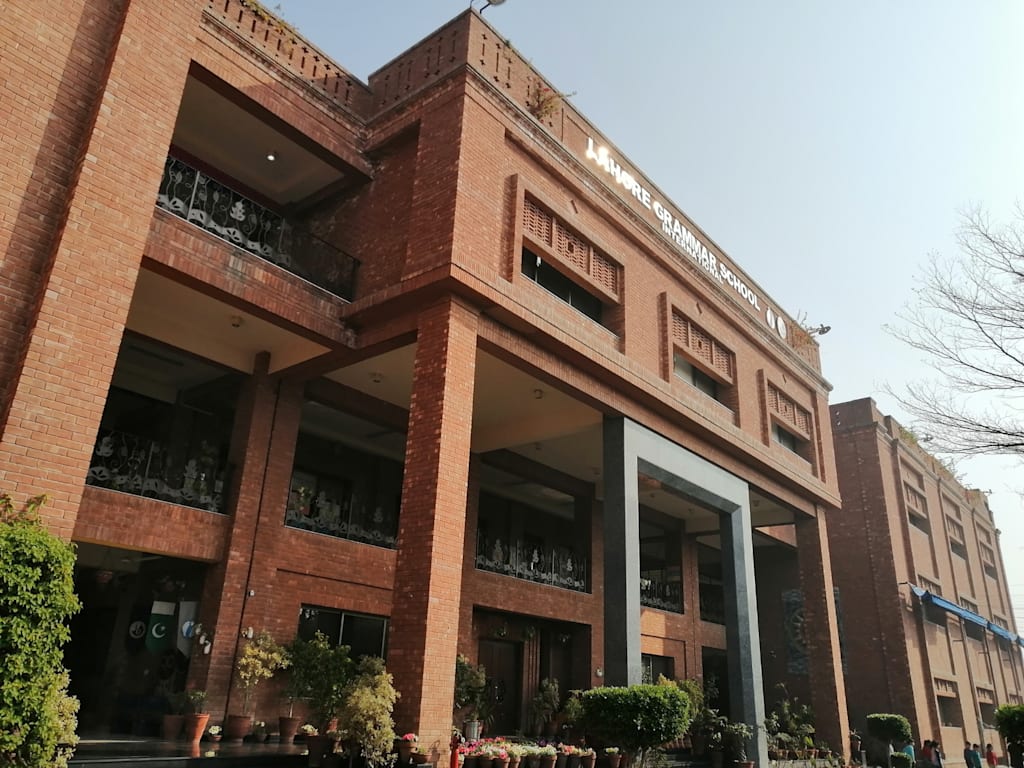
Lahore is a city of contrasts. Ancient Mughal monuments stand next to modern shopping malls. In the Johar Town neighborhood, Lahore Grammar School occupies a campus that could be mistaken for a small college.
The school was founded in 1979 by a group of women educators who believed that Pakistani students deserved more than rote memorization. They introduced the Cambridge O Level and A Level curricula, which emphasize critical thinking, analysis, and global perspectives. Students at LGS JT debate, participate in Model United Nations, write essays, and conduct science experiments.
Fees are high. Facilities are excellent. The alumni network is powerful. LGS JT is not representative of Pakistani education. But it shows what happens when private investment, international curricula, and ambitious families come together.
Balurghat High School – A 118-Year Public Institution
Balurghat is a small town in West Bengal, near the border with Bangladesh. Balurghat High School was founded in 1907, but its roots go back to a free primary school established in 1878. For 118 years, this institution has been educating the children of Balurghat.
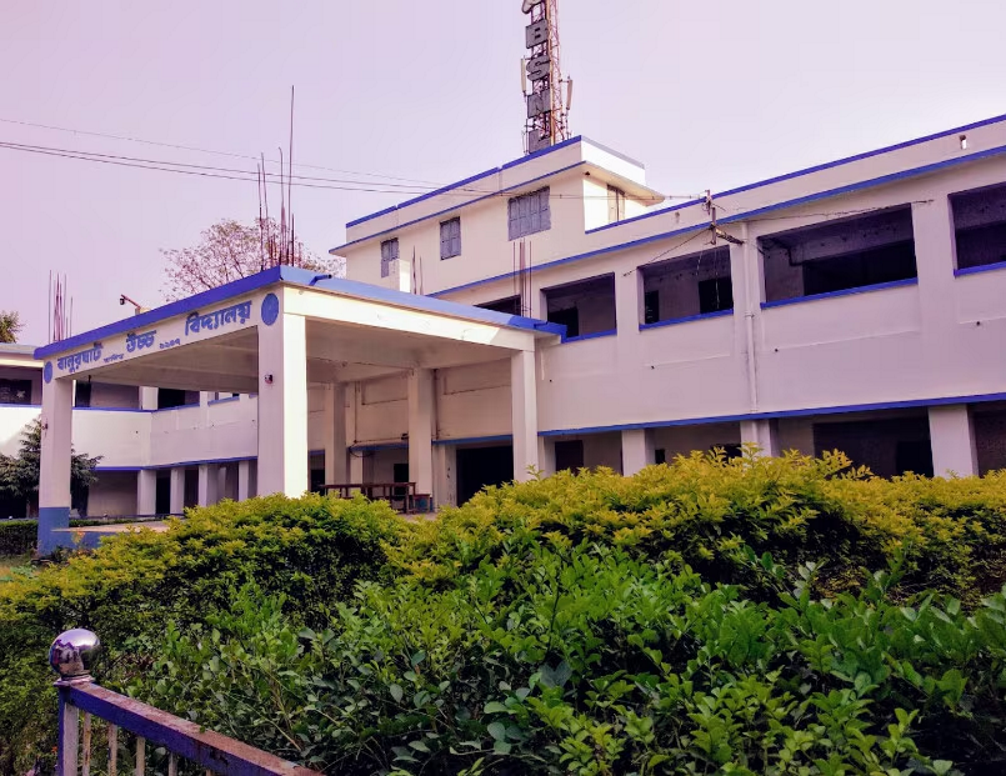
The campus covers 8.18 acres. There are 2,400 students and 80 teachers. Instruction is in both Bengali and English. What struck me was not its facilities – they are basic – but its endurance. In a country where private schools open and close every year, this public institution has survived wars, famines, economic crises, and political upheavals.
The students I met were serious. They knew that education was their ticket out of a small town. Balurghat High School is not glamorous. But it is necessary.
DBNMET – A Rural Professional Hub in Bijapur
Bijapur, Karnataka, is not on most travelers' maps. But DBNMET has built a significant professional education campus here.
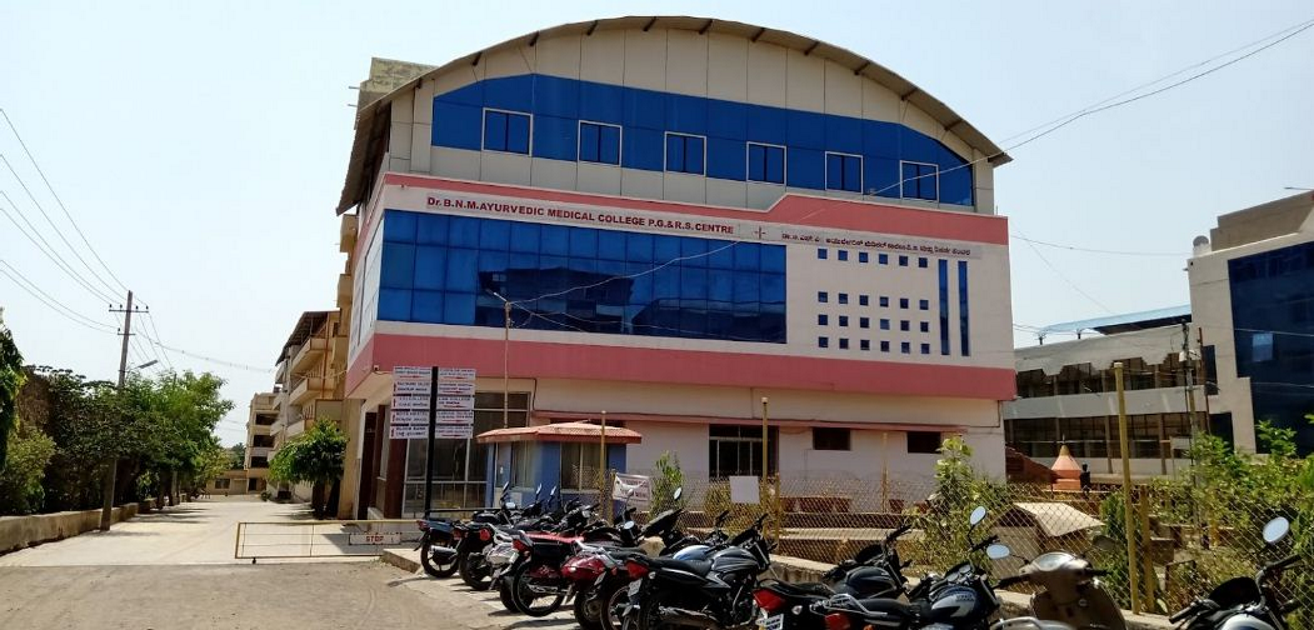
The trust was founded in 1992 with an Ayurvedic medical college. In 2003, it added a nursing college, approved by the Indian Nursing Council and NAAC, with a library of 1,700 books and separate hostels for 200 students. In 2008, it established a polytechnic college offering three-year diploma programs in engineering and technology.
What distinguishes DBNMET is its focus on students who cannot afford metropolitan colleges. Fees are lower. Living costs are lower. And the programs are directly aligned with regional employment needs. I spoke with a nursing student who had come from a village two hours away. Her family could not have afforded a nursing college in Bangalore. DBNMET made her career possible.
Jadavpur Vidyapith – Government School Inside a University Campus
Kolkata's Jadavpur Vidyapith is located inside the campus of Jadavpur University, one of India's top institutions. The school benefits from this proximity.
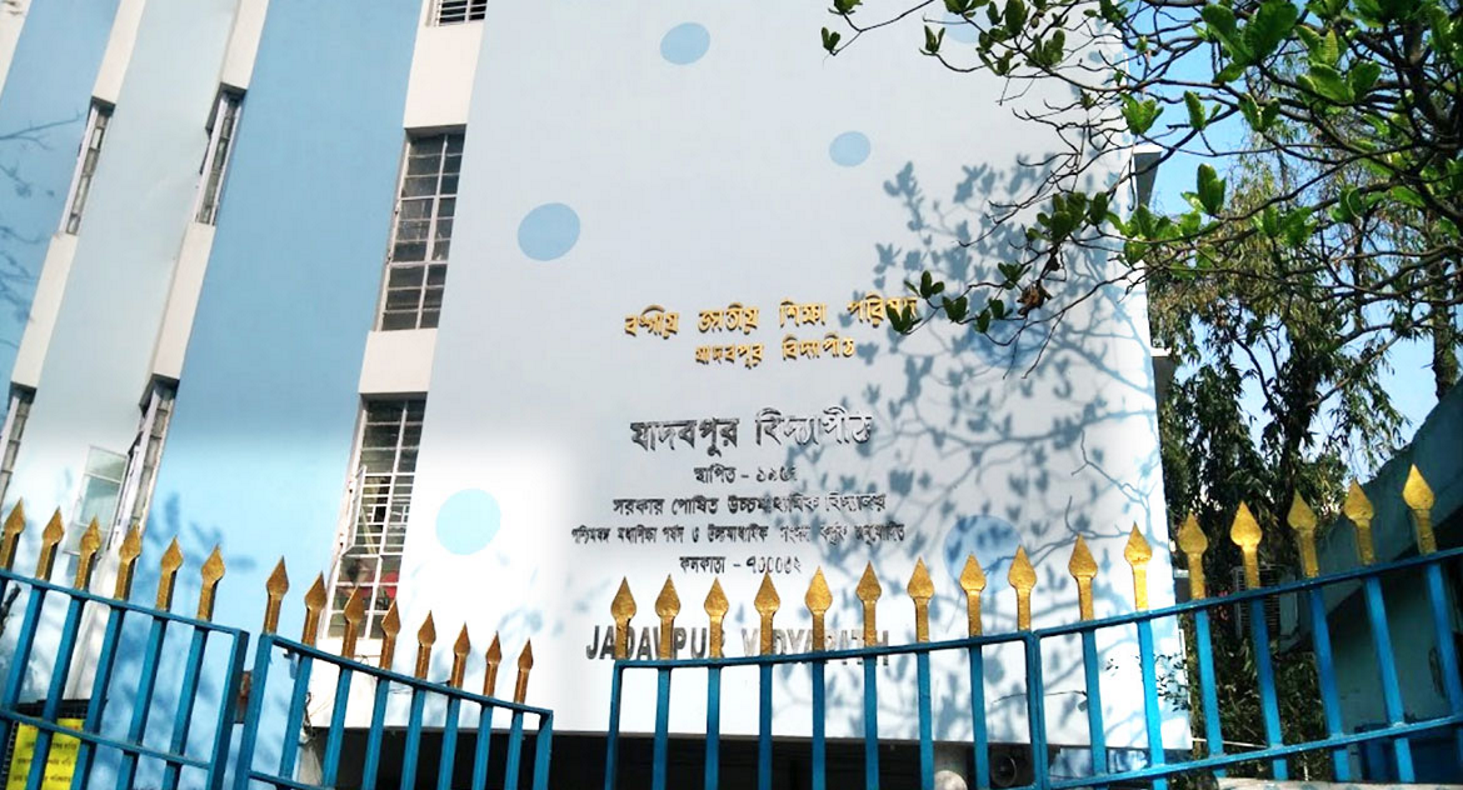
Established in 1957, the school is government-sponsored. It is Bengali-medium and co-educational. Board exam results are strong, with many students scoring above 90%. What makes this school special is the atmosphere. Students walk past university students, attend university events, and absorb an intellectual culture that is rare in government schools.
I met a student who told me she wanted to study engineering at Jadavpur University after finishing school. She was already attending public lectures on the university campus. That kind of exposure is invaluable.
KNE Trust – A Modern Multi-Campus Vision in Bangalore
Bangalore is India's startup capital. It is also a city where private education trusts have flourished. KNE Trust is one example.
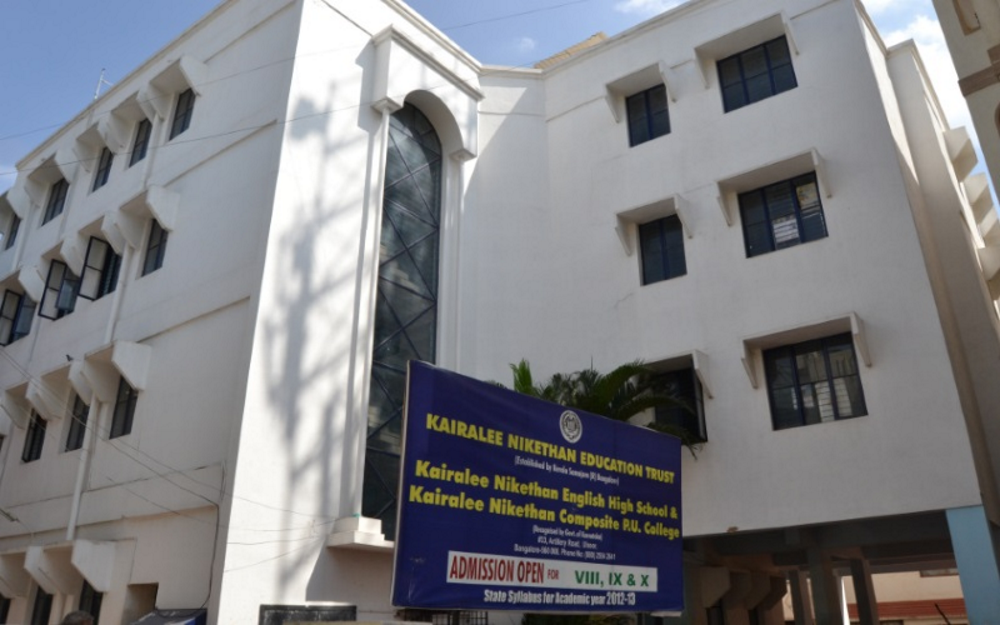
The trust operates 11 institutions across four campuses. It includes a nursery, a CBSE-affiliated public school, and a degree college established in 2006. The trust has grown rapidly, reflecting the demand for affordable private education in Bangalore's expanding suburbs.
Fees are moderate. Facilities are good but not extravagant. The curriculum is practical, preparing students for engineering, commerce, and science degrees. KNE Trust is not a brand like some of Bangalore's elite schools. But it is accessible to families who earn modest incomes but want more than the public system offers.
About the Creator
Sibyl Grimes
I’m Sibyl Grimes, a physicist in quantum materials. By day I study complex systems; on my blog I share smart travel hacks, efficient planning tips, and ways to explore the world with a curious, analytical mindset.
Enjoyed the story? Support the Creator.
Subscribe for free to receive all their stories in your feed.
Comments
There are no comments for this story
Be the first to respond and start the conversation.