
Pishoy Zaki and Peter Zaree See the Business Behind the Building
The EastGrove founders bring different experience to the decisions that shape a property’s future

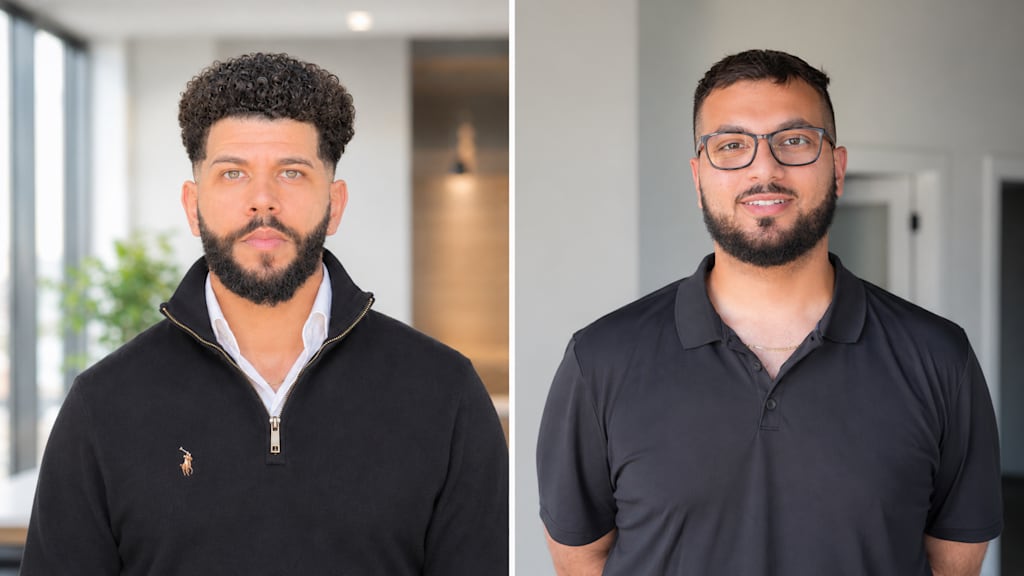
A vacant property can invite an easy kind of optimism. An older building might become a restaurant. An undeveloped parcel might accommodate homes. The finished version is often easier to picture than the work required to reach it. For Pishoy Zaki and Peter Zaree, that distance between an idea and a workable project is where much of their attention goes.
The two are co-founders of EastGrove Development, a Nashville-based development and construction company working across Middle Tennessee. Their professional backgrounds bring different perspectives to a shared question: what would it actually take to make an opportunity work?
Zaki developed an interest in business through exposure to entrepreneurs, business owners and real estate investors. Those experiences helped shape his attention to responsibility, risk and the decisions behind an investment. In real estate, that interest extends to the details that determine how land can be used, including site layouts, municipal requirements and coordination with development professionals.
That work requires imagination, but it also requires a willingness to revise an idea. A property's potential depends on its layout, permitted uses and the practical demands of development. For Zaki, evaluating those elements is part of understanding the business behind a proposed building.
Zaree approaches the same questions with more than a decade of development and construction experience, alongside his work in commercial real estate brokerage. His transactions have included historic properties, commercial land and residential opportunities. That combination gives him reason to consider what an acquisition will require after the paperwork is signed.
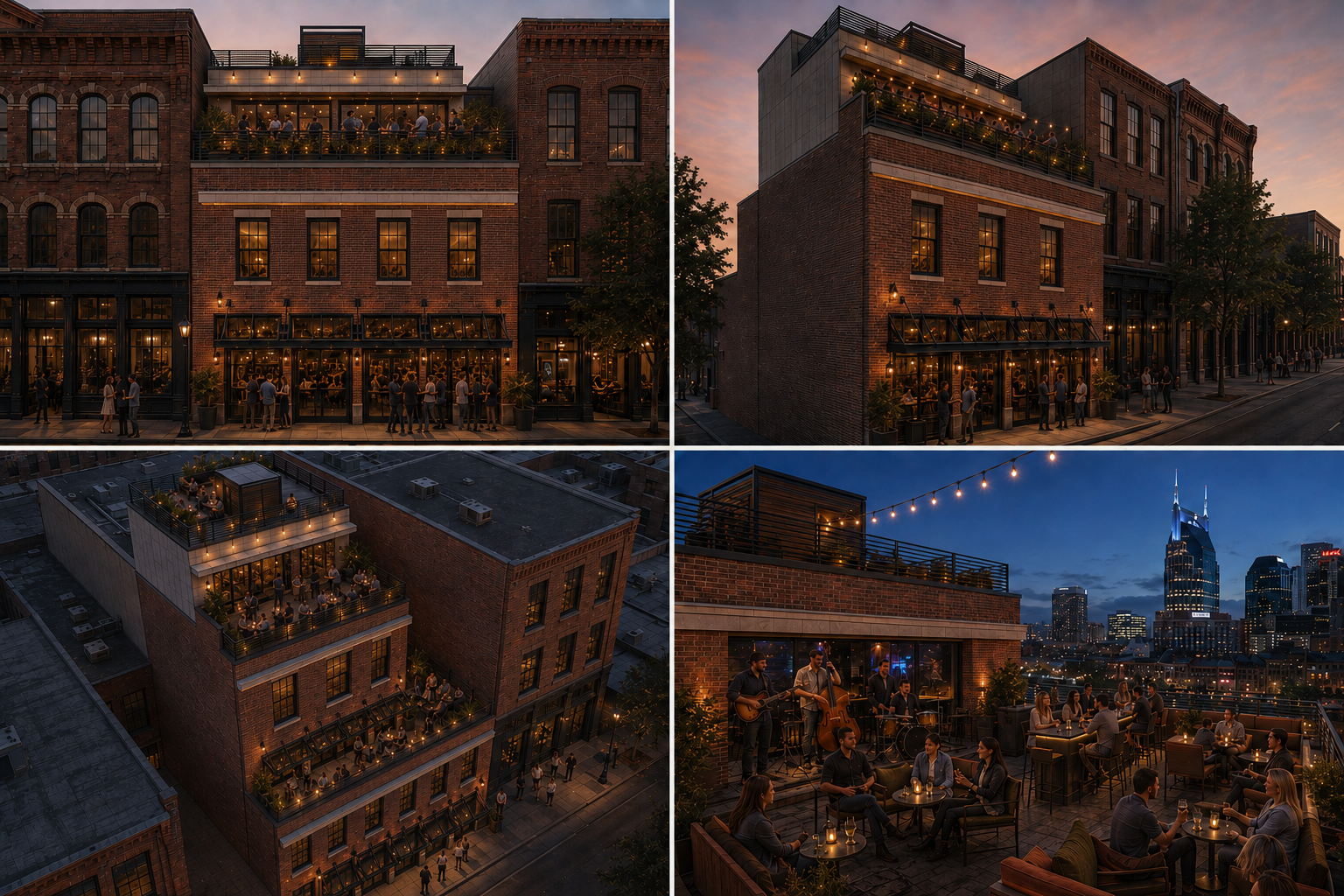
Through commercial brokerage, Zaree considers both what a property could become and what is needed to realize that vision. The purchase price is one factor in a longer process that includes planning, financing, approvals and construction.
His involvement with 117 and 127 Second Avenue North in downtown Nashville illustrates that perspective. Zaree represented separate buyers in acquiring the historic properties. Published coverage describes plans to adapt the buildings for restaurant and entertainment uses, with additional floors and rooftop spaces. The proposals connect a commercial transaction to questions of structural capacity, historic character and future use.
For the founders, projects like these make the relationship between ambition and preparation tangible. An appealing concept needs people who can assess its technical requirements, understand its costs and organize the work. Their company brings together planning, budgeting, engineering coordination, construction and interior selections as parts of that process.
The business background of EastGrove's owners also informs how they evaluate prospective work. Company background material says the team has declined projects when its financial analysis indicated that the numbers did not make sense. That willingness introduces a less visible side of entrepreneurship: deciding which opportunities deserve a commitment of time and capital.
It is a useful detail in a field whose public image often centers on acquisitions and finished buildings. The decisions made before construction can be less photogenic, yet they influence everything that follows. Reviewing a budget, questioning a proposed use or identifying a constraint can change a project's direction before substantial work begins.
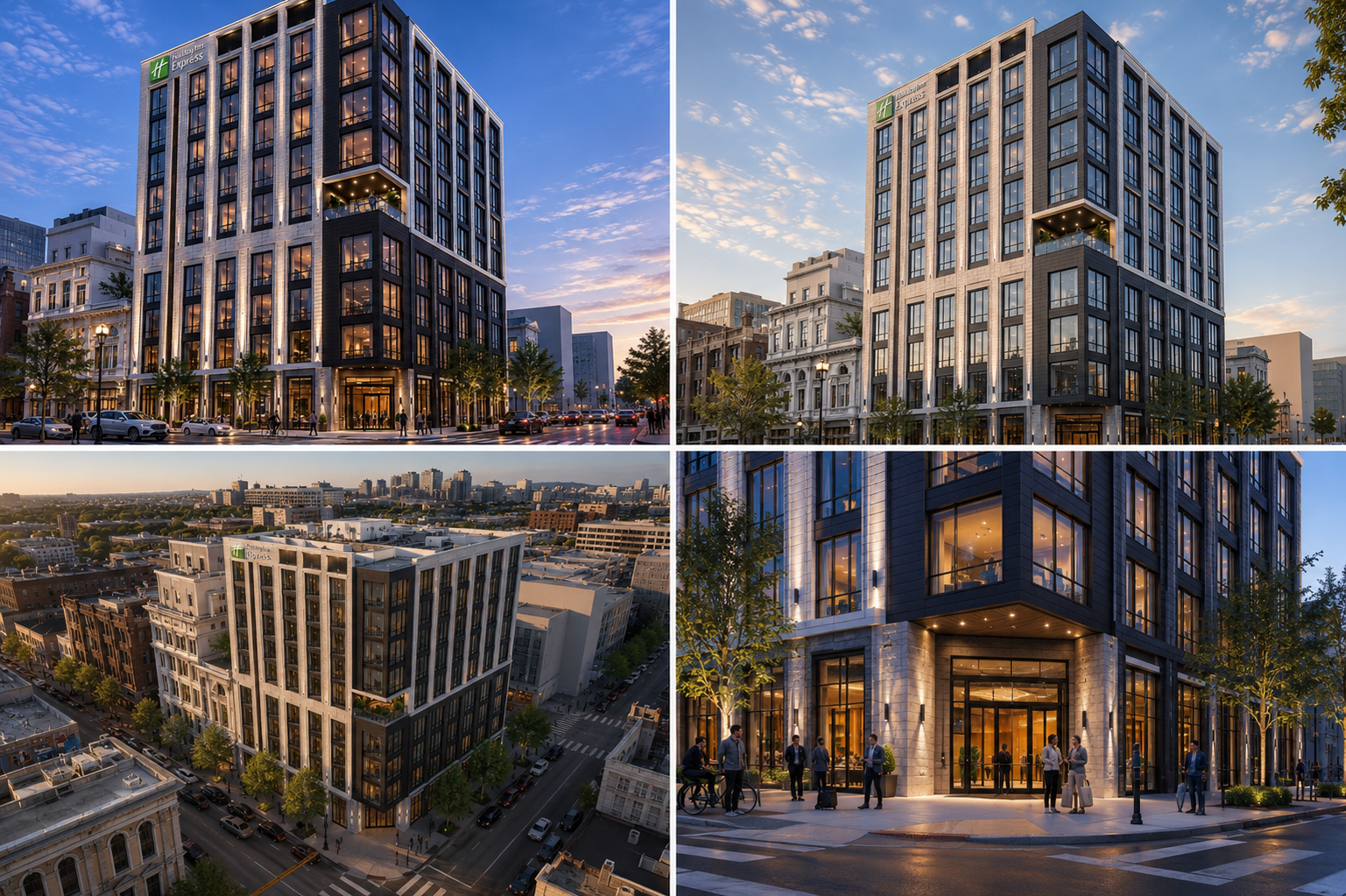
Zaki and Zaree describe quality, speed and communication as guiding principles for EastGrove. In practice, their published accounts connect those ideas to maintaining standards, resolving issues and keeping the people involved informed. Each depends on sustained attention as a project develops.
The variety of assignments gives their partnership a recurring challenge: applying that outlook to properties with different requirements, constraints and possibilities.
Their shared story is rooted in that continuing responsibility. Zaki's interest in evaluating potential and Zaree's experience across transactions and construction meet in the work of turning an idea into an executable plan. The buildings provide visible examples of their careers; the choices behind them explain how they approach the business.
About the Creator
Duke Jermyn
Duke Jermyn writes about business, culture, and the people behind emerging ideas.
Enjoyed the story? Support the Creator.
Subscribe for free to receive all their stories in your feed. You could also become a paid subscriber, letting them know you appreciate their work.
Comments
There are no comments for this story
Be the first to respond and start the conversation.