
Peace Requires a Different Kind of Courage!
After years of learning how to survive chaos, I had to learn something harder; how to trust calm

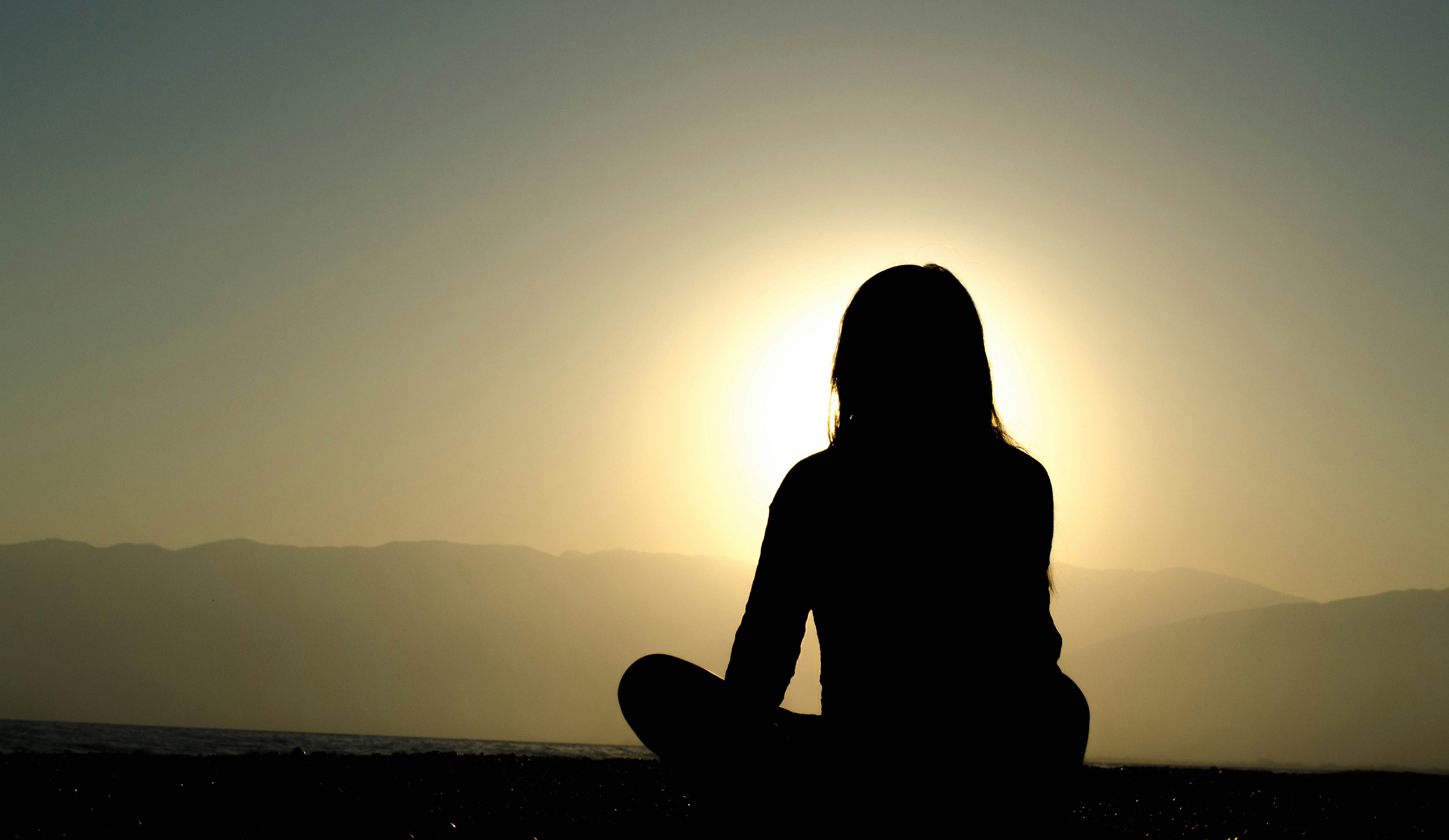
“You look… tense.”
My friend said it casually across the table.
We were sitting in a quiet café on a Sunday afternoon at Minamoa in Hiroshima City. Nothing very serious or dramatic was happening. No problems to solve, no deadlines pressing down on me, no crisis waiting for my attention.
Life felt very calm.
And yet, without realizing it, I had been tapping my fingers on the table the entire time.
“What do you mean?” I asked.
“You keep checking your phone,” she said. “Like you’re expecting some really bad news.”
I glanced down at the screen again. No missed calls, no urgent messages.
Just silence.
She tilted her head slightly and asked a question that caught me off guard, completely.
“Is it hard for you when things are… peaceful?”
I laughed at first.
Of course peace isn’t hard, I thought. That’s what everyone wants.
But later that night, sitting alone with that question, I realized something uncomfortable.
She might have been right.
For years, I had learned how to handle chaos.
Problems. Pressure. Uncertainty.
I knew exactly who I was when life demanded strength from me.
But when everything slowed down…
When nothing was wrong…
I didn’t quite know how to exist in that space.
And that’s when I realized something I had never considered before.
Peace requires a different kind of courage.
For most of my life, courage looked like survival, really.
It looked like pushing through exhaustion.
It looked like being the one who figured things out when everyone else panicked.
It looked like holding everything together; quietly, consistently, reliably.
People admired that version of me.
“You’re so strong.”
“You always handle things.”
“You never fall apart.”
And for a long time, I believed that was what courage meant.
But what no one told me is that survival trains you for storms.
It doesn’t really prepare you for peace, for a life without chaos.
When life is chaotic, you don’t have time to think too deeply.
You react.
You fix problems.
You move from one urgent moment to the next.
Your mind becomes sharp.
Your instincts become fast.
You learn how to endure.
But something strange things happen when the chaos finally slows down.
Your body doesn’t immediately relax.
It keeps scanning.
Looking for the next problem.
Waiting for the next collapse.
When you’ve lived in survival mode long enough, calm starts to feel suspicious. This was what calm felt like to me, for a long time.
I remember thinking that night:
Why does peace feel so uncomfortable?
I had spent years working toward stability.
Toward a life where things weren’t constantly falling apart, yes.
Yet when that stability finally arrived, I didn’t feel relief. Strange right?
I felt very restless.
Part of me kept expecting something to go wrong.
Like calm was just the quiet before another storm.
And that realization unsettled me deeply.
It taught me something I had never considered before and it is that:
Peace requires a different kind of courage when you’re accustomed to chaos.
It takes courage to stop anticipating disaster.
It takes courage to trust that things are actually okay.
It takes courage to sit in a quiet moment without inventing a problem to solve.
This is because peace asks something survival never did.
It asks you to slow down.
And slowing down means you finally hear yourself.
When life gets too quiet, emotions you postponed begin to surface. There would be;
Grief you never processed.
Fatigue you ignored.
Questions you avoided because there was always something more urgent to deal with.
Peace creates space and space can become uncomfortable.
Not because it’s bad, but because it reveals things you haven’t faced yet.
For years, I wore resilience like armor.
I was proud of how much I could carry.
Responsibilities.
Expectations.
Other people’s emotional weight.
I thought being strong meant never putting anything down.
But peace showed me something different.
Some of the things I was carrying were never mine to begin with.
And the moment I started setting them down, my life became lighter.
Not easier.
But lighter.
That shift took practice because survival mode teaches you that your value comes from usefulness.
From fixing.
From holding everything together.
But peace asks you to redefine your worth.
You’re not valuable only when you’re solving problems.
You’re allowed to exist in moments that are simply… good.
No crisis attached or struggle required.
I’ve learned something that younger versions of me couldn’t understand.
Crisis builds strength.
But peace builds wisdom.
Strength helps you survive storms.
Wisdom helps you recognize when the storm has already passed.
And sometimes the bravest thing you can do is stop bracing for impact.
Let me ask you something honestly;
If life finally became calm tomorrow, calmer than you have ever had…
Would you trust it?
Or would you keep waiting for something to go wrong?
Learning how to survive chaos is very difficult.
But learning how to live in peace might be even harder when you are accustomed to chaos.
Sometimes, the storm ends long before we stop preparing for it.
About the Creator
Ajan Lori A.
My mind screams, I write!
(Author exploring education, identity, human behavior, life between cultures, business and entrepreneurship)
Find my writing on Medium: https://medium.com/@loriaa
My books on amazon: amazon.com/author/loriaa
Enjoyed the story? Support the Creator.
Subscribe for free to receive all their stories in your feed. You could also become a paid subscriber, letting them know you appreciate their work.
Comments
There are no comments for this story
Be the first to respond and start the conversation.