
Nature’s Toughest Aesthetic: The Timeless Appeal of Buffalo Horn
Buffalo Horn
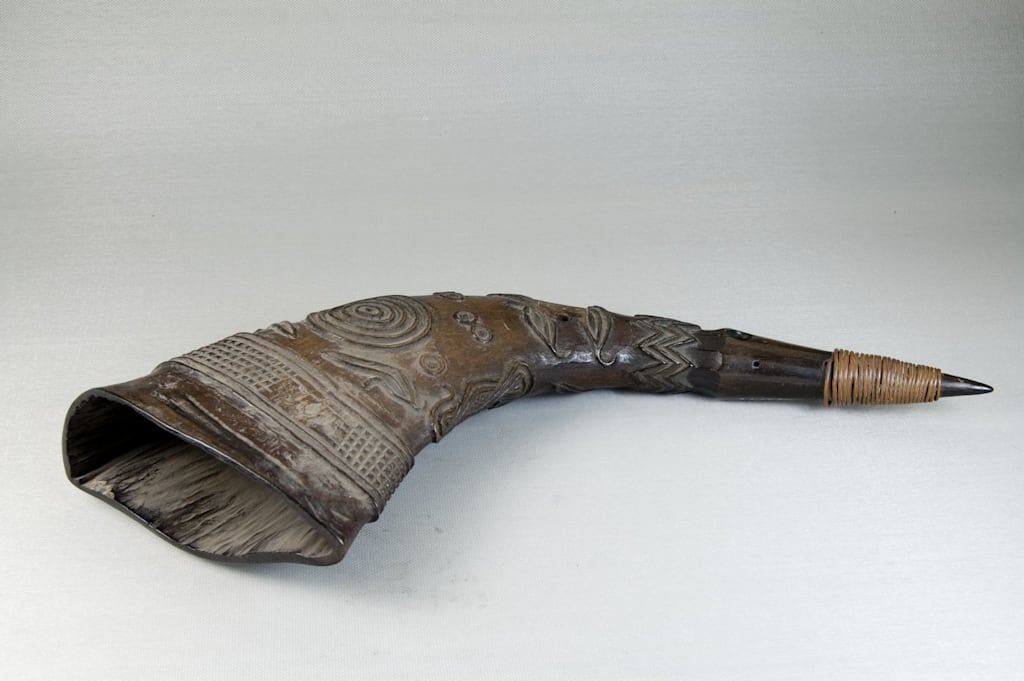
In an era increasingly dominated by synthetic plastics and mass-produced resins, there is a growing movement back toward materials that carry a story. Designers, artisans, and collectors in 2026 are rediscovering the organic complexity of buffalo horn, a material that offers a unique intersection of extreme durability and high-end luxury.
Whether it is found in the handle of a premium folding knife, the frames of bespoke eyewear, or intricate home décor, this horn provides a tactile experience that man-made materials simply cannot replicate. It is a byproduct of nature that turns strength into a work of art.
The Composition of Strength
To understand why buffalo horn is so highly valued in manufacturing, you have to look at its biological makeup. Unlike bone, which is porous and can become brittle over time, horn is composed primarily of keratin, the same protein found in human hair and fingernails.
Fibrous Structure: The keratin fibers are densely packed, giving this horn incredible impact resistance. It doesn't shatter easily, which is why it has been used for centuries in functional tools.
Thermal Stability: It is surprisingly resistant to temperature changes, making it comfortable to the touch in both freezing winters and scorching summers.
Elasticity: While it is hard, it possesses a microscopic "give," allowing it to be molded under high heat, a process essential for creating curved items like luxury glasses.
A Masterclass in Natural Patterns
No two pieces of this horn are ever identical. This inherent uniqueness is its greatest selling point. When polished, the material reveals a depth of color that looks almost three-dimensional.
The Classic "Black" Horn: Deep, obsidian-like shades that take on a glass-like mirror polish.
The "Honey" or "Marbled" Variation: Rare streaks of translucent amber, cream, and rich browns that catch the light, often referred to as "streaked buffalo horn."
The Matte Finish: For a more tactical or modern look, the material can be left with a soft, satin finish that emphasizes its organic grain.
Buffalo Horn in the World of Everyday Carry (EDC)
For the modern enthusiast of tactical gear and cutlery, buffalo horn is a prestigious choice for handling scales. While G10 and Carbon Fiber offer modern performance, they lack the "soul" of a natural handle.
The Grip: As a natural material, it reacts to the oils in your hand. Over years of use, a knife handle made from buffalo horn will develop a unique patina, darkening and smoothing out to fit the owner's grip perfectly.
The Weight: It provides a substantial, "hefty" feel in the hand without being as cumbersome as solid steel or brass.
The Tradition: Many traditional slip-joint knives and historical replicas utilize buffalo horn to maintain period-accurate aesthetics while providing a tool that can last for generations.
Sustainability and Ethical Sourcing
In 2026, the origin of materials matters as much as the quality. It is important to note that high-quality buffalo horn used in global trade is almost exclusively a byproduct of the agricultural and food industries.
Instead of allowing the material to go to waste, artisans repurpose it into long-lasting goods. This circular approach makes this horn an eco-friendly alternative to petroleum-based plastics. Because it is an organic material, it is also biodegradable at the end of its very long life cycle, leaving a much smaller environmental footprint than synthetic resins.
Maintenance: Caring for a Natural Treasure
Because this horn was once living tissue, it requires a small amount of "feeding" to stay in peak condition. Unlike plastic, it can dry out if exposed to harsh chemicals or extreme dehydration.
Maintenance Tip: A light coat of mineral oil or specialized wax once or twice a year is all it takes to keep buffalo horn from cracking and to maintain its deep, lustrous shine.
The 2026 Trend: The "Neo-Organic" Aesthetic
We are currently seeing a shift in interior design and personal fashion labeled "Neo-Organic." This trend focuses on bringing raw, natural textures into high-tech environments. A desk set, a comb, or a piece of jewelry crafted from buffalo horn provides a necessary visual break from the cold glass and metal of our digital devices.
In luxury eyewear specifically, horn has become the gold standard. It is hypoallergenic, lightweight, and adjusts to the wearer's body temperature, making it far more comfortable for all-day wear than traditional acetate frames.
A Legacy Material for the Modern Age
The enduring popularity of Buffalo horn lies in its paradox: it is both incredibly rugged and delicately beautiful. It bridges the gap between the ancient world of the craftsman and the modern world of the luxury consumer.
If you are looking for a material that offers durability, a one-of-a-kind appearance, and a connection to the natural world, this amazing horn remains unsurpassed. Whether it’s sitting in your pocket as part of a trusted tool or resting on your face as a pair of bespoke frames, it serves as a reminder that nature is still the world’s most sophisticated engineer.
About the Creator
Enjoyed the story? Support the Creator.
Subscribe for free to receive all their stories in your feed.
Comments
There are no comments for this story
Be the first to respond and start the conversation.