
Nasolabial Folds | Non-Surgical Options & Skin Tightening Methods
Non-Surgical Options & Skin
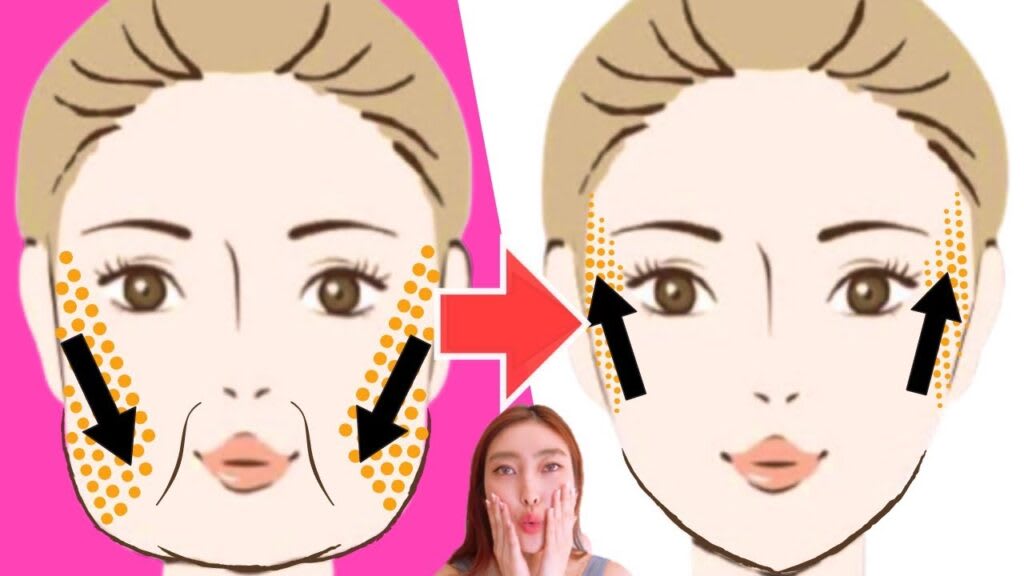
Nasolabial folds, often called "smile lines" or "laugh lines," are the creases that run from the sides of the nose to the corners of the mouth. While they’re a natural part of facial anatomy, and become more pronounced with smiling or laughing.
These folds can deepen over time due to aging, making them a common cosmetic concern. For those seeking to soften their appearance without resorting to surgery, a variety of non-surgical options and skin-tightening methods are available.
This article delves into what causes nasolabial folds, how non-surgical treatments can correct them, and the best skin-tightening techniques to enhance results.
What Causes Nasolabial Folds?
Nasolabial folds are influenced by a combination of factors, many tied to the aging process:
Volume Loss: As we age, the face loses subcutaneous fat, particularly in the cheeks, causing the skin to sag and deepen the folds.
Collagen and Elastin Decline: Reduced production of these structural proteins leads to thinner, less elastic skin that’s prone to creasing.
Repetitive Facial Movements: Years of smiling, talking, or squinting etch lines into the skin, making nasolabial folds more permanent.
Gravity: The downward pull of gravity shifts facial tissue, exacerbating the depth of these folds.
Bone Structure Changes: Age-related bone resorption in the midface reduces support, allowing skin to droop.
Environmental Factors: Sun exposure, smoking, and poor hydration accelerate skin aging, worsening the appearance of folds.
While nasolabial folds are normal and even endearing in youth, their prominence in later years often prompts individuals to seek correction.
Non-Surgical Options for Nasolabial Folds Correction
Non-surgical treatments offer a range of solutions to soften folds, from filling them in to stimulating skin renewal. Here are the most effective options:
1. Dermal Fillers
How It Works: Hyaluronic acid-based fillers (e.g., Juvederm, Restylane) are injected directly into or around the folds to plump the area, smooth creases, and restore lost volume. Fillers can also be placed in the cheeks to lift the midface, indirectly reducing fold depth.
Results: Immediate, with full effects visible within a week as swelling subsides. The face looks refreshed and youthful.
Duration: 6–18 months, depending on the filler type and individual metabolism.
Pros: Quick (15–30 minutes), minimal downtime, reversible with hyaluronidase if needed.
Cons: Temporary, requires maintenance; rare risks include lumps or vascular complications.
2. Botox
How It Works: While Masseter Botox is less common for folds, small doses can relax the muscles around the mouth and nose that contribute to fold formation, subtly softening their appearance. It’s often paired with fillers for a combined effect.
Results: Noticeable within 3–7 days, with a smoother look during facial expressions.
Duration: 3–6 months.
Pros: Non-invasive, quick procedure.
Cons: Limited impact on static (resting) folds; best for early-stage correction.
3. Microneedling
How It Works: Tiny needles create micro-injuries in the skin, triggering collagen and elastin production to improve texture and firmness. Radiofrequency (RF) microneedling (e.g., Morpheus8) adds heat to tighten deeper layers.
Results: Gradual improvement over weeks to months, with smoother, plumper skin.
Duration: Long-lasting with multiple sessions (3–6 recommended).
Pros: Natural collagen boost, minimal downtime.
Cons: Requires patience and multiple treatments for significant fold reduction.
4. Platelet-Rich Plasma (PRP)
How It Works: PRP, derived from your blood, is injected or applied after microneedling to stimulate tissue regeneration and collagen growth, softening folds over time.
Results: Subtle enhancement after 2–3 months, often combined with other treatments.
Duration: Effects can last up to a year with maintenance.
Pros: Natural, low risk of allergic reaction.
Cons: Slower results, less dramatic than fillers.
5. Thread Lifts
How It Works: Dissolvable PDO (polydioxanone) threads are inserted under the skin to lift sagging tissue and stimulate collagen. Threads placed in the midface can reduce the pull on folds.
Results: Immediate lift with ongoing improvement as collagen builds; full effect in 1–2 months.
Duration: 12–18 months.
Pros: Dual action (lift + collagen boost), minimally invasive.
Cons: Mild discomfort, potential for temporary puckering or bruising.
Skin Tightening Methods for Enhanced Correction
For deeper nasolabial or sagging skin, skin-tightening treatments can complement fillers or stand alone to firm the midface and reduce fold prominence. These methods target the skin’s deeper layers to improve elasticity and structure.
1. Ultherapy
How It Works: Focused ultrasound energy penetrates deep into the skin to heat the SMAS (superficial musculoaponeurotic system) layer, stimulating collagen production and tightening tissue.
Results: Gradual lifting and tightening over 2–3 months, with a smoother midface.
Duration: Up to 12–18 months.
Pros: Non-invasive, no downtime, FDA-approved for lifting.
Cons: Mild discomfort during treatment, subtle rather than dramatic results.
2. Radiofrequency (RF) Skin Tightening
How It Works: Devices like Thermage deliver RF energy to heat the dermis, contracting existing collagen and encouraging new growth for firmer skin.
Results: Visible tightening within weeks, peaking at 6 months.
Duration: 6–12 months with annual maintenance.
Pros: Painless, no recovery time.
Cons: Best for mild to moderate sagging; multiple sessions may be needed.
3. Laser Resurfacing
How It Works: Fractional lasers (e.g., Fraxel) or ablative lasers remove damaged skin layers and stimulate collagen, improving skin texture and tightness around the folds.
Results: Smoother, firmer skin after 1–3 months, depending on laser intensity.
Duration: Long-lasting with proper skincare.
Pros: Addresses texture and folds simultaneously.
Cons: Downtime (redness, peeling) with stronger lasers; less effective for deep folds alone.
4. High-Intensity Focused Ultrasound (HIFU)
How It Works: Similar to Ultherapy, HIFU uses ultrasound to target deeper layers, lifting and tightening the skin around the nasolabial area.
Results: Noticeable lift within 1–3 months.
Duration: Up to a year.
Pros: Precise, non-invasive.
Cons: Temporary redness or swelling; results vary by skin type.
Combining Treatments for Optimal Results
Many practitioners recommend combining therapies for a synergistic effect. For example:
Fillers + RF Tightening: Fillers address volume loss immediately, while RF builds long-term firmness.
Microneedling + PRP: Enhances collagen naturally, softening folds over time.
Thread Lift + Ultherapy: Lifts tissue instantly and sustains results with collagen stimulation.
A personalized plan, crafted with a skilled provider, ensures the best outcome tailored to your fold depth, skin type, and goals.
Before and After Expectations
Before: Deep folds may create a tired or aged look, especially at rest. Photos often reveal volume loss and sagging cheeks.
After: Depending on the treatment, you’ll see smoother folds, lifted cheeks, and a rejuvenated appearance. Fillers offer instant gratification, while tightening methods yield gradual, natural improvement.
Benefits of Non-Surgical Options
Minimal to no downtime compared to surgery.
Lower cost (e.g., fillers at $500–$1,500 vs. a facelift at $10,000+).
Reversible or adjustable results with fillers.
Less risk than invasive procedures.
Risks and Considerations
Side effects are typically mild—swelling, bruising, or redness—but rare complications like infection or filler migration can occur. Choosing an experienced injector or clinician is key to safety and satisfaction.
Who’s a Good Candidate?
Adults with mild to moderate folds are ideal candidates. Those with severe sagging or excess skin might need surgical options like a facelift for optimal correction. Always consult a professional to assess your needs.
Final Thoughts
Nasolabial folds don’t have to define your face or your confidence. Non-surgical options like dermal fillers, Botox, and thread lifts, paired with skin-tightening methods like Ultherapy and RF, offer versatile, effective ways to soften these lines and restore a youthful look.
Whether you seek instant results or gradual improvement, there’s a solution to fit your lifestyle and budget. With the right approach, you can smile freely, knowing your laugh lines won’t linger longer than you’d like.
About the Creator
Enjoyed the story? Support the Creator.
Subscribe for free to receive all their stories in your feed.
Comments
There are no comments for this story
Be the first to respond and start the conversation.