
Met Gala 2026 Looks
When Fashion Became Living Art at Met Gala 2026

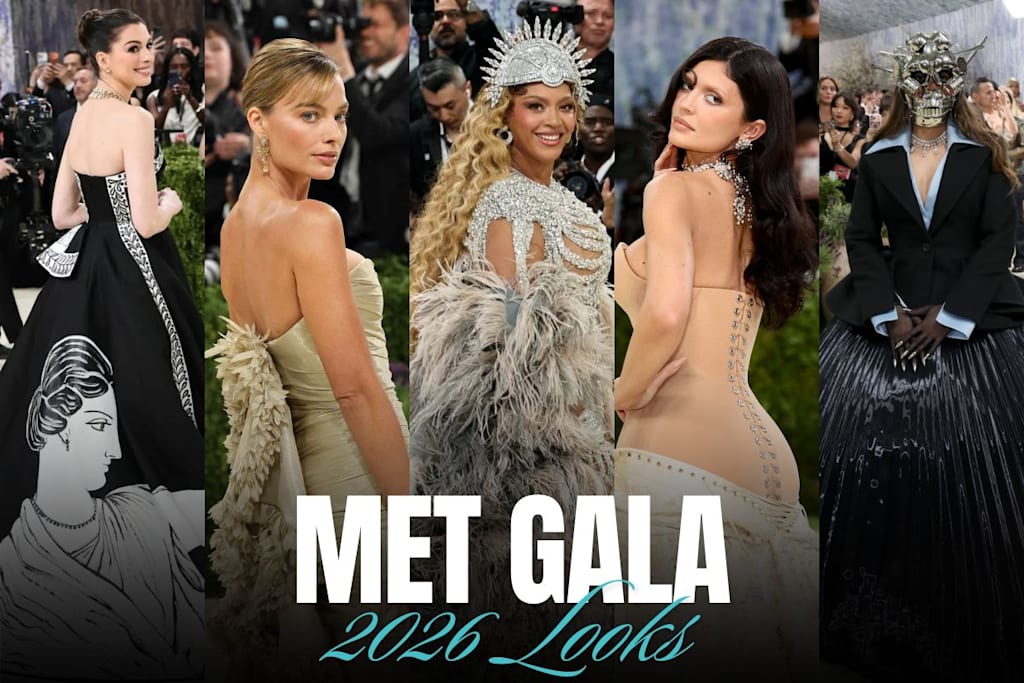
The Met Gala 2026 will likely be remembered as the year fashion stopped pretending to be art—and fully became it. Held on May 4 at the Metropolitan Museum of Art in New York City, this year’s event transformed the iconic steps into something closer to a surreal gallery than a celebrity red carpet. With the theme “Costume Art” and a dress code that encouraged guests to treat their bodies as canvases, the result was a night of bold experimentation, sculptural silhouettes, and statement-making designs that blurred the line between clothing and installation.
For once, the theme wasn’t just a suggestion—it was taken seriously. Designers and celebrities embraced the idea that fashion could go beyond aesthetics and function as commentary, illusion, and performance. Instead of safe, predictable glamour, the 2026 Met Gala delivered risk, creativity, and in many cases, outright spectacle.
A Theme That Demanded More
The concept behind “Costume Art” was rooted in the idea of the human body as a medium. This meant exploring different forms, identities, and interpretations of what fashion could represent. From exaggerated proportions to anatomical references, the red carpet became a space where garments interacted with the body in unconventional ways.
There were nods to classical sculpture, modern art, and even performance pieces. Textures ranged from metallic finishes that mimicked liquid to fabrics designed to look like marble or bone. It felt less like attendees were wearing outfits and more like they were embodying ideas.
Rihanna: A Masterclass in Impact
No Met Gala conversation is complete without Rihanna, and 2026 was no exception. Arriving fashionably late—as expected—she immediately commanded attention. Her metallic ensemble, reminiscent of molten aluminum frozen mid-motion, was both futuristic and organic. The structure of the dress created a swirling effect around her torso, making it appear as though the garment was in motion.
It was a perfect example of what the theme stood for: transformation. Rihanna didn’t just wear fashion; she became part of it. The look quickly dominated social media and was widely considered one of the standout moments of the night.
Beyoncé’s Triumphant Return
After a decade-long absence, Beyoncé returned to the Met Gala as a co-chair, and her presence alone was a cultural moment. Her outfit—a crystal-embellished gown designed to resemble a skeletal structure—was both haunting and regal. The addition of a dramatic feathered cape elevated the look into something almost mythical.
What made her appearance particularly powerful was the sense of narrative. The design seemed to explore themes of strength, vulnerability, and the human form, aligning perfectly with the evening’s artistic direction. It wasn’t just a return—it was a statement.
LISA and the Rise of Conceptual Fashion
Among the newer generation of global stars, LISA from BLACKPINK delivered one of the most talked-about looks of the night. Her white gown featured 3D-printed arms extending outward, holding up her cape in intricate poses inspired by traditional Thai dance.
The piece felt alive, almost otherworldly. It challenged the idea of what a dress could be, introducing movement and structure in a way that felt both cultural and futuristic. It was a reminder that the Met Gala is increasingly becoming a platform for global perspectives in fashion.
Anne Hathaway: Subtlety Meets Art
While many opted for dramatic interpretations, Anne Hathaway proved that a quieter approach could still resonate. Her black-and-white ballgown, featuring a dove motif, leaned into the painterly aspect of the theme. The design felt like a moving canvas—elegant, restrained, yet deeply intentional.
In a sea of bold experimentation, her look stood out for its clarity. It showed that art doesn’t always have to be loud to be impactful.
The Divide Between Bold and Safe
One of the most interesting aspects of the 2026 Met Gala was the clear divide between those who embraced the theme and those who played it safe. Margot Robbie, for instance, appeared in a beautifully crafted gold gown that showcased exceptional craftsmanship. However, in the context of such an experimental theme, it felt slightly out of place.
This contrast sparked discussions online about what the Met Gala should represent. Is it about beauty and elegance, or about pushing boundaries? In 2026, the answer seemed clear: risk was rewarded.
Kim Kardashian and the Power of Reference
Kim Kardashian took a bold approach with a sculpted bodysuit inspired by 1960s pop art. The piece, which was based on a mold from a vintage model, brought historical context into a modern setting. It was vibrant, unconventional, and undeniably attention-grabbing.
While reactions were mixed, the look succeeded in one key area—it got people talking. And at the Met Gala, conversation is often the ultimate goal.
Designers Who Defined the Night
Beyond individual celebrities, certain designers emerged as key players in shaping the night’s aesthetic. Schiaparelli continued its tradition of surreal, anatomy-inspired pieces, with designs that played with illusion and form. One standout featured thousands of pearls arranged to create the illusion of a gown slipping off the body.
Robert Wun also made a significant impact, particularly with his work on LISA’s look. His approach to structure and storytelling positioned him as one of the most innovative designers of the evening.
These designers didn’t just create clothes—they created experiences.
Fashion as a Reflection of Culture
The Met Gala has always been more than a fashion event; it’s a reflection of cultural shifts. In 2026, the emphasis on individuality, body diversity, and artistic expression mirrored broader conversations happening in society.
Athletes like Venus Williams also embraced the theme, incorporating elements that reflected their personal narratives. Her look, inspired by a portrait, demonstrated how fashion can tell stories beyond the surface.
The Absences That Spoke Volumes
While the event was filled with standout moments, notable absences also shaped the conversation. Zendaya, often considered a Met Gala favorite, did not attend, leaving a noticeable gap. Similarly, Timothée Chalamet’s absence sparked speculation.
In an event built on presence and visibility, choosing not to attend can be just as impactful as making a grand entrance.
A Night That Redefined Expectations
Met Gala 2026 didn’t just deliver memorable looks—it redefined what the event could be. By fully embracing its theme, it set a new standard for creativity and engagement. The night proved that fashion, when treated as art, has the power to challenge, inspire, and captivate.
As the industry looks ahead, one question remains: can future Met Galas live up to this level of innovation? If 2026 is any indication, the bar has been raised—and the world will be watching.
About the Creator
Veronica Bennett
Author at Stories Buzz | Unleashing worlds through words ✨ | Writer-girl weaving magic into stories 📚 | Creating realms where dreams take flight 🌈 | #WriterLife #Storyteller
My work: https://storiesbuzz.co.uk/
Enjoyed the story? Support the Creator.
Subscribe for free to receive all their stories in your feed.
Comments
There are no comments for this story
Be the first to respond and start the conversation.