
Karambit Knife: Exploring the History and Lasting Appeal of an Iconic Blade
Karambit Knife
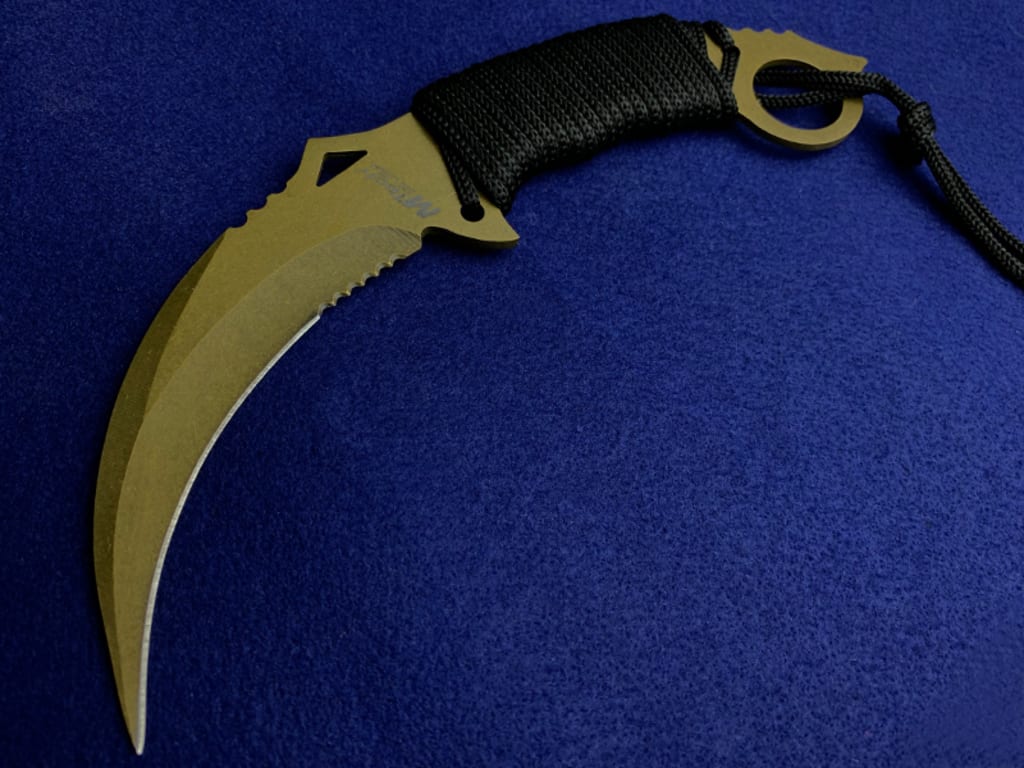
The karambit knife is one of the most recognizable blade designs in the world, admired for its distinctive curved shape and rich cultural heritage. Originally inspired by the claw of a tiger, this unique knife has captured the interest of collectors, historians, outdoor enthusiasts, and craftsmanship admirers alike.
Over the years, its striking appearance has also made it a popular feature in movies, video games, and artistic displays, introducing the design to new generations of enthusiasts. While its origins are deeply rooted in Southeast Asia, the karambit has earned worldwide recognition for its exceptional craftsmanship and unmistakable silhouette. Today, many people appreciate it as a collectible, a conversation piece, or an example of traditional blade-making techniques that have been preserved and refined over centuries.
A Rich History Behind the Curved Blade
The story of the karambit knife begins in Southeast Asia, particularly in regions that now include Indonesia, Malaysia, and the Philippines. Historical accounts suggest that early versions were inspired by agricultural tools used for harvesting crops and other daily tasks. Over time, local craftsmen refined the design, creating a compact curved blade that reflected both practicality and artistic expression.
Traditional blade makers often incorporated decorative carvings, intricate patterns, and handcrafted handles that represented regional culture and craftsmanship. As trade expanded across Asia, the karambit gained recognition beyond its place of origin, eventually becoming appreciated around the world for its historical significance and distinctive appearance.
Distinctive Design That Stands Apart
Few knife styles are as instantly recognizable as the karambit. Its dramatically curved blade is its defining feature, giving it an appearance unlike conventional straight-edged knives. Another notable characteristic is the finger ring located at the end of the handle, which contributes to the knife's unique visual identity.
Many collectors admire this thoughtful design because it demonstrates how traditional craftsmen combined functionality with elegant styling. Modern manufacturers continue to preserve these classic design elements while introducing contemporary materials and finishes that appeal to today's enthusiasts. The result is a timeless knife style that blends heritage with modern manufacturing techniques.
Materials That Reflect Quality Craftsmanship
Material selection plays a major role in determining the appearance and durability of any collectible knife. Stainless steel remains a popular blade material because of its resistance to corrosion and relatively simple maintenance requirements. Carbon steel is valued by many enthusiasts for its strength and ability to achieve a fine edge, although it generally requires more careful care to prevent rust.
Damascus steel is particularly admired for its distinctive layered patterns that give every blade a unique visual character. Handles may be crafted from hardwood, G10, Micarta, aluminum, titanium, or carbon fiber, each contributing different textures and aesthetic qualities. These carefully selected materials help transform an ordinary blade into a visually impressive collectible.
Modern Interpretations of a Traditional Classic
Although deeply rooted in history, the karambit knife has evolved considerably over the years. Modern manufacturers produce both traditional fixed-blade versions and folding designs that appeal to contemporary collectors.
Folding models often incorporate pocket clips, locking mechanisms, and precision-machined components while maintaining the knife's iconic curved profile. Premium finishes, decorative coatings, and advanced manufacturing methods further expand the variety available to enthusiasts. These modern interpretations allow collectors to appreciate traditional inspiration while enjoying updated craftsmanship suited to present-day preferences.
A Favorite Among Collectors
Knife collecting has become an increasingly popular hobby, and the karambit occupies a unique place within many collections. Enthusiasts are often drawn to its unusual appearance, historical roots, and impressive craftsmanship. Limited-edition releases, handcrafted customs, and historically inspired reproductions provide collectors with numerous opportunities to explore different variations of the design.
Displaying a well-crafted karambit alongside other traditional blades creates a visually diverse collection while encouraging deeper appreciation for the cultural heritage represented by each piece. For many hobbyists, researching different makers and historical styles becomes just as rewarding as acquiring the knives themselves.
Appreciating the Artistic Details
One of the reasons collectors admire the karambit is the level of artistic detail often incorporated into its construction. Decorative engraving, polished blade finishes, textured handle scales, and carefully shaped hardware all contribute to the knife's visual appeal.
Some handcrafted pieces feature traditional motifs inspired by Southeast Asian culture, while contemporary designs emphasize minimalist styling and precision machining. These artistic elements demonstrate that knife making is not merely a manufacturing process but also a skilled craft requiring creativity, patience, and attention to detail. Every carefully finished knife reflects the dedication of the craftsman who created it.
Caring for Your Collection
Proper maintenance helps preserve the appearance and longevity of collectible knives. After handling, blades should be wiped clean to remove fingerprints and moisture that could affect the finish over time. Stainless steel requires relatively little maintenance, while carbon steel benefits from occasional protective oil to reduce the risk of corrosion.
Folding models should be inspected periodically to ensure smooth operation of moving parts, and all knives should be stored in clean, dry environments away from excessive humidity. Display cases, padded storage boxes, and protective sheaths help minimize dust accumulation while preventing accidental scratches. With consistent care, a quality knife can remain an attractive part of a collection for many years.
Choosing a Karambit for Your Collection
Selecting the right karambit knife begins with identifying your personal interests. Some collectors seek historically accurate reproductions that celebrate traditional craftsmanship, while others prefer modern interpretations featuring advanced materials and contemporary styling.
Blade material, handle design, overall size, finish, and manufacturer reputation all deserve careful consideration before making a purchase. Researching these factors helps ensure that the selected knife reflects both personal taste and quality craftsmanship. Whether displayed as part of a larger collection or appreciated as a standalone piece, choosing thoughtfully enhances long-term satisfaction.
A Timeless Symbol of Craftsmanship and Heritage
The karambit knife continues to fascinate collectors and enthusiasts because it represents a remarkable blend of history, artistry, and skilled craftsmanship. Its instantly recognizable curved blade, cultural significance, and evolving modern designs have secured its place among the world's most admired collectible knives. Whether appreciated for its historical origins, displayed f
or its artistic beauty, or collected as part of a broader interest in traditional blades, the karambit remains a lasting example of exceptional design. By focusing on quality materials, responsible ownership, and proper maintenance, enthusiasts can preserve these remarkable creations while celebrating the rich heritage and craftsmanship that have made the karambit an enduring icon for generations.
About the Creator
Enjoyed the story? Support the Creator.
Subscribe for free to receive all their stories in your feed.
Comments
There are no comments for this story
Be the first to respond and start the conversation.