
Jesse Collin Young
RIP

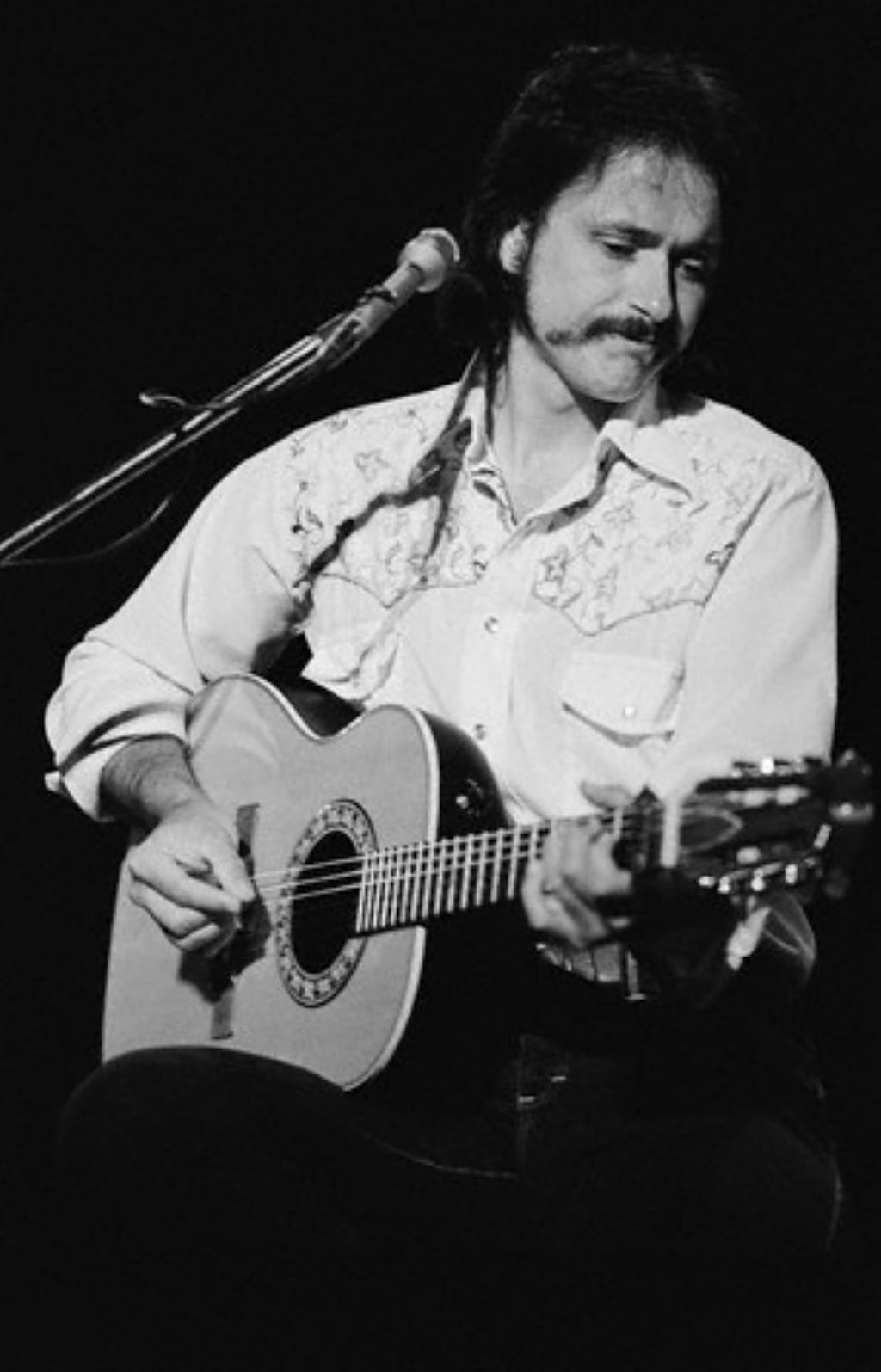
Jesse Colin Young, born Perry Miller on November 22, 1941, stands as a significant figure in American music, best known for his role as the lead singer and a founding member of The Youngbloods. With a career spanning over six decades, Young has left an indelible mark on folk, rock, and contemporary music. His distinct voice, thoughtful songwriting, and commitment to social causes have made him not only a beloved musician but also a symbol of his era. This article provides a comprehensive account of Young's life, musical journey, and enduring legacy.
Early Life and Family Background
Perry Miller was born in Queens, New York, in the midst of World War II. He was the son of a musical family: his mother was a classical violinist, and his father was an accountant with a strong appreciation for jazz. The Miller household was filled with the sounds of classical compositions and jazz greats, providing Perry with a rich and varied auditory backdrop from a young age. This early exposure to music would lay the foundation for his lifelong passion and eventual career.
Growing up, Young was encouraged to pursue music, taking piano lessons and experimenting with other instruments. His mother's discipline as a violinist instilled in him a respect for rigorous practice, while his father's jazz records sparked his interest in improvisation and popular music. These influences would later blend seamlessly into his own musical style, characterized by both technical skill and heartfelt expression.
Education and Formative Years
Young's formal education began at Phillips Academy in Andover, Massachusetts, one of the nation's premier preparatory schools. He attended on a scholarship, a testament to his academic abilities and promise. At Phillips, he encountered a diverse group of students and was exposed to a broader cultural and intellectual environment than he had known in Queens. The school offered opportunities to participate in music ensembles and theater productions, experiences that nurtured his creative instincts.
After graduating from Phillips Academy, Young attended Ohio State University briefly before transferring to New York University. In New York, he found himself at the heart of one of the world's most vibrant music scenes. He immersed himself in the city's folk clubs and coffeehouses, absorbing influences from the burgeoning Greenwich Village folk revival. These years were crucial in shaping his identity as a performer and songwriter, as he honed his craft alongside other aspiring musicians and learned the value of authenticity in music.
The Adoption of the Stage Name "Jesse Colin Young"
Perry Miller's transformation into Jesse Colin Young marked a defining moment in his personal and professional journey. The name "Jesse" was chosen for its earthy, American resonance, while "Colin" was a nod to his Celtic heritage. "Young" evoked a sense of renewal and possibility. The new name signaled a break from his past and the beginning of a new chapter as a singer-songwriter with a unique voice and vision. It allowed him to step onto the stage with a distinct identity, one that would soon become associated with some of the era's most memorable music.
Musical Career Beginnings
Young began performing in New York's Greenwich Village, a hub for folk and blues musicians during the early 1960s. The scene was alive with innovation, and Young quickly distinguished himself with his soulful voice and original compositions. He drew inspiration from folk legends like Woody Guthrie and Pete Seeger, as well as from blues and jazz traditions. His early performances were marked by their emotional intensity and social consciousness, qualities that would become hallmarks of his later work.
During this period, Young released his debut solo album, "The Soul of a City Boy," in 1964. The record showcased his ability to blend folk, blues, and jazz elements into a cohesive and deeply personal sound. He followed up with "Young Blood" in 1965, further establishing himself as an artist to watch. These formative years set the stage for his future collaborations and the formation of a band that would change the course of American music.
Formation and Success of The Youngbloods
In 1965, Jesse Colin Young joined forces with guitarist Jerry Corbitt, keyboardist/guitarist Lowell Levinger (aka "Banana"), and drummer Joe Bauer to form The Youngbloods. The band quickly developed a following with their fresh blend of folk, rock, and jazz influences. Young's expressive vocals and songwriting were central to the group's sound, which resonated with the countercultural spirit of the 1960s.
The Youngbloods released their self-titled debut album in 1967, featuring the enduring anthem "Get Together." Written by Chet Powers (also known as Dino Valenti), the song became a defining track of the era, celebrated for its message of peace and brotherhood. "Get Together" initially saw modest success but gained widespread popularity after being used in a public service announcement for the National Council of Christians and Jews. The single climbed the charts, peaking at No. 5 on the Billboard Hot 100 in 1969.
The group's subsequent albums, such as "Earth Music" (1967) and "Elephant Mountain" (1969), further showcased their versatility and innovative approach. "Elephant Mountain" is particularly noted for tracks like "Darkness, Darkness," which became another signature song for Young and has been covered by numerous artists. The Youngbloods' music captured the aspirations and anxieties of a generation, blending introspective lyrics with adventurous musicianship.
Despite critical acclaim and a loyal fan base, The Youngbloods faced internal tensions and changes in musical direction. Jerry Corbitt left the band in 1969, and the remaining members continued to evolve their sound, incorporating elements of country and jazz. The band eventually disbanded in 1972, but their influence endured, and their recordings remain touchstones of the era.
Solo Career and Discography
Following the breakup of The Youngbloods, Jesse Colin Young embarked on a prolific solo career. His first post-Youngbloods album, "Together" (1972), was a reflection on the themes of community and connection that had defined his earlier work. He followed with "Song for Juli" (1973), a critically acclaimed album that drew on his experiences living in the hills of Marin County, California. The album's lush arrangements and introspective lyrics resonated with listeners, and "Song for Juli" became one of Young's most successful releases.
Throughout the 1970s, Young continued to release albums that showcased his evolving artistry. "Light Shine" (1974), "Songbird" (1975), and "On the Road" (1976) demonstrated his versatility as a songwriter and performer. He blended folk, rock, jazz, and even country influences, creating a sound that was uniquely his own. Notable tracks from this period include "Sunlight," "Ridgetop," and "Miss Hesitation."
In the 1980s and beyond, Young continued to explore new musical territories. Albums such as "The Perfect Stranger" (1982), "The Highway Is for Heroes" (1987), and "Makin' It Real" (1993) reflected his ongoing commitment to personal and artistic growth. Young's discography also includes live recordings and compilations, many of which highlight his enduring appeal as a live performer.
In the 1990s and 2000s, Young faced personal challenges, including health issues and the destruction of his California home in a wildfire. Despite these setbacks, he remained active as a musician, releasing albums like "Walk the Talk" (2001) and "Celtic Mambo" (2004). In recent years, Young has continued to tour and record, sometimes collaborating with his children, who have followed in his musical footsteps.
Selected Discography
• The Soul of a City Boy (1964)
• Young Blood (1965)
• Together (1972)
• Song for Juli (1973)
• Light Shine (1974)
• Songbird (1975)
• On the Road (1976)
• The Perfect Stranger (1982)
• The Highway Is for Heroes (1987)
• Makin' It Real (1993)
• Walk the Talk (2001)
• Celtic Mambo (2004)
• Dreamers (2019)
Personal Life
Jesse Colin Young's personal life has been marked by both joy and adversity. He married Suzi Young and together they built a home and family in the hills of Inverness, California. After the loss of their home in a 1995 wildfire, the Young family relocated to Hawaii, seeking a fresh start and a closer connection to nature. There, Young became involved in organic farming, cultivating coffee and living in harmony with the land.
The move to Hawaii deepened Young's commitment to environmental causes. He became an advocate for sustainable agriculture and conservation, using his platform to raise awareness about ecological issues. His personal experiences with loss and renewal informed his music, adding new layers of meaning to his later work.
Young's family has played a central role in his life and career. His children, including his son Tristan and daughter Jazzie, have joined him on stage and in the studio, carrying forward the family's musical tradition. The Youngs' close-knit relationships and shared love of music have been a source of strength and inspiration.
Accomplishments and Impact
Jesse Colin Young's accomplishments extend beyond his musical achievements. As the voice behind "Get Together," he became an emblem of the 1960s peace movement, inspiring generations to embrace ideals of unity and compassion. His songs have been featured in films, television, and public service campaigns, reinforcing their enduring relevance.
Young has also been recognized for his advocacy on behalf of environmental and social causes. He has performed at benefit concerts, supported ecological initiatives, and lent his voice to campaigns for peace and justice. His willingness to use his platform for the greater good has earned him respect both within and beyond the music industry.
Throughout his career, Young has received various awards and honors. While not always in the mainstream spotlight, his influence on fellow musicians and songwriters is widely acknowledged. His blend of poetic lyricism, melodic craftsmanship, and social consciousness has set a standard for aspiring artists.
Legacy
The legacy of Jesse Colin Young is multifaceted. As a member of The Youngbloods, he helped define the sound and spirit of a generation. As a solo artist, he has continued to evolve, exploring new genres and themes while remaining true to his core values. His music, characterized by its warmth, humanity, and optimism, continues to resonate with listeners of all ages.
About the Creator
Julie O'Hara - Author, Poet and Spiritual Warrior
Thank you for reading my work. Feel free to contact me with your thoughts or if you want to chat. [email protected]
Enjoyed the story? Support the Creator.
Subscribe for free to receive all their stories in your feed.
Comments
There are no comments for this story
Be the first to respond and start the conversation.