
Is COVID Coming Again? The Reality Behind the Latest Coughs and Colds
Why is Everyone Getting Sick Right Now?

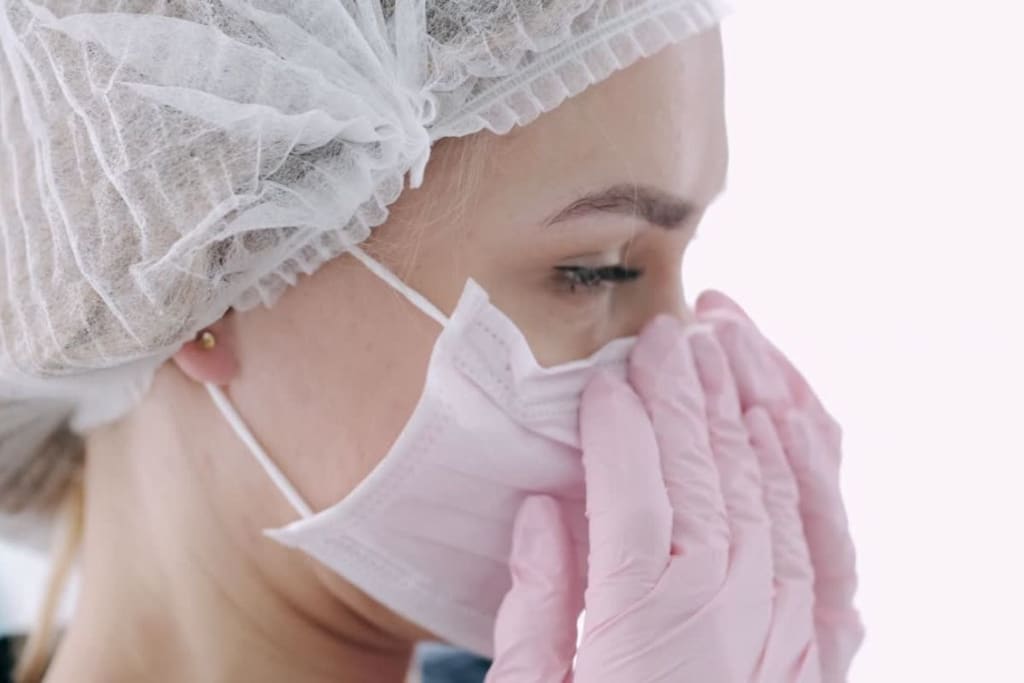
If you have spent the last few weeks listening to a chorus of coughs in the office, or if your family calendar has been derailed by sudden bouts of fatigue and blocked noses, you are definitely not alone. It feels all too familiar. With health headlines whispering about new variants and local chemist shelves emptying of tissues, many of us are looking at the latest wave of illness and asking: is covid coming again?
The short answer is that it never really left. Instead, we have entered a phase where the virus behaves much like a permanent fixture of our seasonal landscape. However, the way it acts, the symptoms it brings, and how our bodies handle it have fundamentally transformed. If you catch it today, the experience is vastly different from what we went through during the pandemic years.
The Rise of the "Cicada" Variant
The main reason we are talking about a resurgence right now is the emergence of new subvariants. The virus is exceptionally good at changing its outfit to sneak past our immune systems.The dominant player in circulation is an Omicron offshoot scientifically labelled BA.3.2, but more commonly known as the "Cicada" variant. It earned this nickname because, much like the insect, it seems to spend periods keeping a relatively low profile before suddenly surging in waves across communities.
Alongside other recent strains named Nimbus and Stratus, Cicada features dozens of minor mutations on its spike protein. What does this mean for you? These genetic tweaks mean the virus can easily navigate the "gaps" in the immunity you built up from older vaccinations or past infections. Breakthrough infections—where people who have been jabbed or previously ill get sick again—are incredibly common.
However, UK health data shows that while these variants are highly transmissible, they are not inherently more dangerous to the average healthy person. The virus has largely shifted its focus. Instead of attacking deep inside the lungs, it tends to settle in the upper respiratory tract.
The 2026 Symptom Checklist
Because the virus lives primarily in the nose and throat now, the classic warning signs from 2020 have shifted. The days of using a total loss of taste or smell as a definitive diagnostic tool are mostly gone; that symptom now occurs in fewer than 5% of cases. Instead, a modern bout of the virus heavily mimics a severe seasonal cold or a moderate case of the flu. If you are trying to figure out what you have caught, the most frequently reported symptoms follow a distinct pattern.
Common Signs to Watch For:
The "Razor Blade" Sore Throat: This is almost always the very first sign. Patients often describe a sharp, intense pain that makes swallowing highly uncomfortable.
Heavy Sinus Headaches: Unlike a standard tension headache, this presents as a stubborn pressure concentrated right behind the eyes and across the forehead.
Profound Fatigue and Brain Fog: This isn't just everyday tiredness. It is a heavy, sluggish exhaustion that makes it difficult to concentrate or stay awake, often lasting well into your recovery.
A Stubborn Dry Cough: A persistent, tickly cough that does not produce much phlegm but refuses to shift.
Mild Tummy Troubles: Interestingly, newer subvariants are triggering mild gastrointestinal issues, like nausea or a reduced appetite, in about one in five cases.
Why Does Everyone Seem Ill at Once?
If it feels like there is a massive explosion of illness, it is usually down to what doctors call "co-circulation." We are no longer dealing with an isolated wave of just one virus.
Instead, the current variants are competing for space alongside the seasonal flu, RSV (Respiratory Syncytial Virus), and standard rhinoviruses. Because the incubation period for newer strains has shrunk to a mere two to four days, the virus moves through households and workplaces at lightning speed.
Furthermore, because these bugs are all flying around at the same time, it is entirely possible to catch a cold, recover, and then immediately pick up a COVID variant a week later. This creates the frustrating illusion of a single, never-ending illness.
Managing Recovery at Home
If you suspect you have caught it, the priority is practical self-care. While mass mandatory isolation framework is a thing of the past, NHS guidance still recommends staying at home and avoiding contact with others for five days if you test positive and feel unwell.
The Golden Rules of Post-Viral Recovery:
Do Not Power Through: Pushing your body through the initial wave of exhaustion can prolong the illness. Listen to the fatigue and rest.
Target the Congestion: Use standard over-the-counter remedies like paracetamol or ibuprofen to manage the throat pain and headaches.
Hydrate Constantly: Keep fluids moving to thin out mucus and soothe your upper airway.
If you are wondering whether those old lateral flow tests at the back of your cupboard still work, the answer is generally yes. They can still detect the Cicada variant, though you might need to test a couple of days into your symptoms to get an accurate positive reading, as viral loads can take a 48-hour window to peak.
Identifying the Red Flags
For the vast majority of the population, a week of rest and hot drinks will see the worst of it clear up. However, the virus still poses a genuine threat to vulnerable groups, including older adults, pregnant women, and individuals with compromised immune systems or chronic lung conditions. For these groups, testing early is vital because antiviral treatments are highly effective but must be started within the first few days of falling ill.Regardless of your baseline health, you should monitor your illness for what clinicians call "The Pivot"—a scenario where you seem to be improving, but then suddenly take a sharp turn for the worse. Seek immediate medical attention or call 111 if you experience any of these major warning signs:
- Severe respiratory distress, such as struggling to speak in full sentences or gasping for air.
- A persistent chest tightness or a heavy, crushing feeling in your breastbone.
- New confusion, slurred speech, or finding it exceptionally difficult to wake up.
- Signs of severe dehydration, feeling faint upon standing or passing very little urine.
The Big Picture
So, is it coming again? Yes, but not in the disruptive way it did years ago. The virus has evolved to become a highly infectious, cold-like nuisance that peaks in predictable seasonal waves. It is undoubtedly frustrating to navigate another round of scratchy throats and cancelled plans. However, understanding how the virus has changed allows us to manage it with calm, practical steps rather than anxiety. Keep your spaces well-ventilated, look after your immune system, and give yourself permission to rest when your body demands it.
About the Creator
Kanchan Bains
Kanchan Bains is a journalist with over five years of experience in digital media and news reporting. She holds a Bachelor’s degree in Journalism and Mass Communication and began her career as a trainee reporter.
Enjoyed the story? Support the Creator.
Subscribe for free to receive all their stories in your feed.
Comments
There are no comments for this story
Be the first to respond and start the conversation.