
I Stopped Waiting for an Apology That Was Never Coming
Some people will never say sorry. And the hardest truth is — you have to heal anyway.
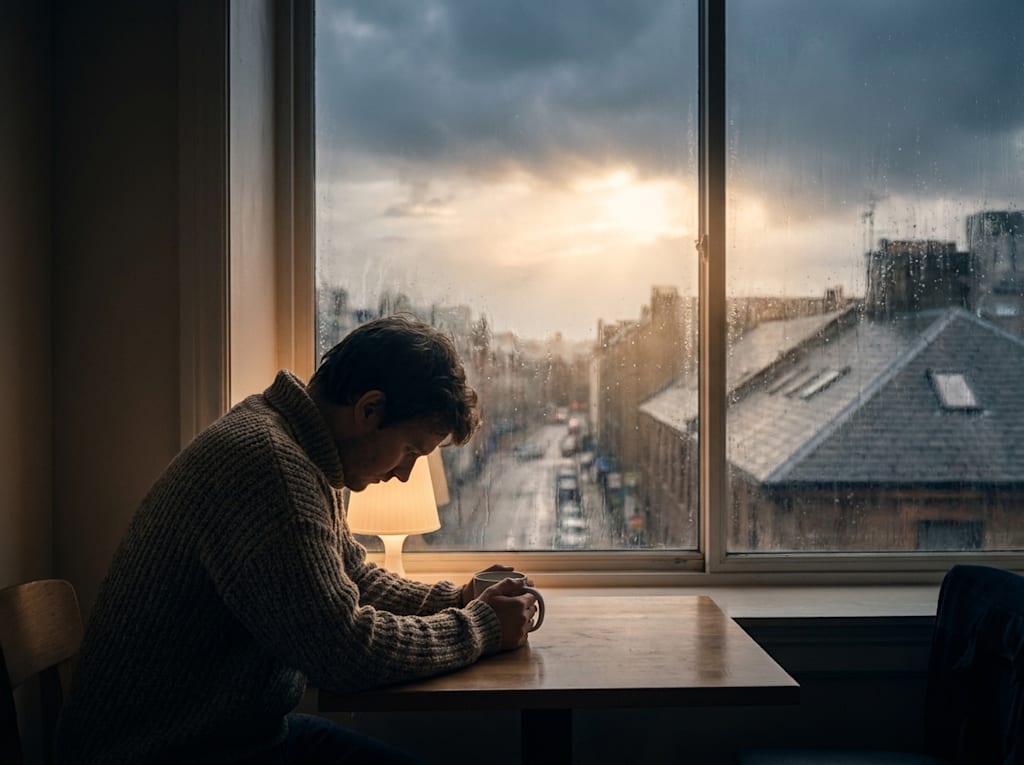
There is a specific kind of pain that nobody really talks about. It is not the sharp pain of a fresh wound. It is not the loud, ugly cry at 2 a.m. that eventually exhausts itself into sleep. It is quieter than that. Slower. It is the pain of checking your phone and feeling that small, humiliating flicker of hope. The kind of pain that lives in the pauses — in between conversations, in between moments — whispering the same question on repeat. Why haven't they said sorry yet? I know that feeling. I lived inside it for longer than I care to admit.
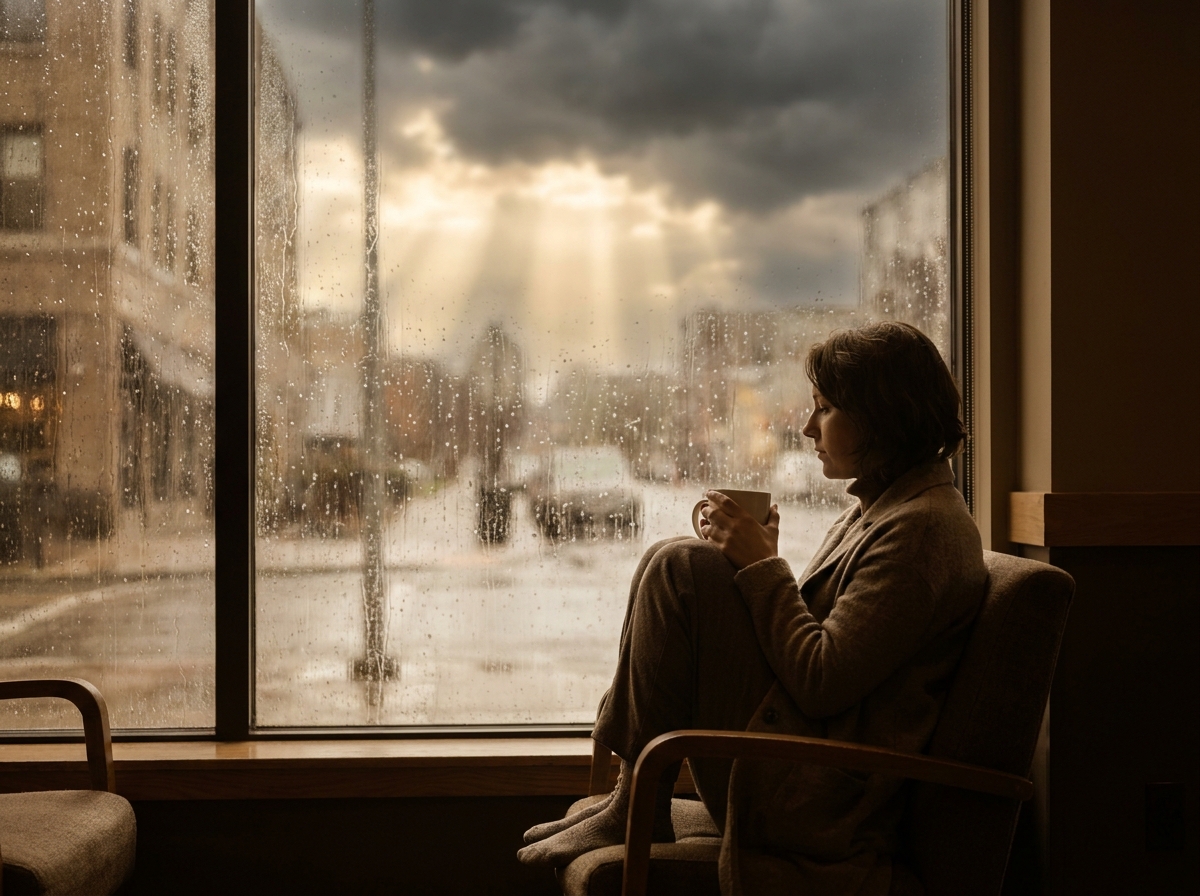
The Waiting Room Nobody Chooses When someone hurts you — really hurts you — your mind does something almost involuntary. It builds a waiting room. You sit down in it without realizing. And you tell yourself it is temporary. That the apology is coming. That they will realize what they did. That one morning they will wake up, feel the weight of it, and finally reach out with the words you deserve to hear. So you wait. You replay the events in your head. You construct their apology for them in your mind, word by word, as if rehearsing a script for a play they have never agreed to perform in. You practice what you will say back. You imagine the relief you will feel. The closure. The exhale. But the message never comes. The phone stays quiet. Life moves on for them, visibly and almost effortlessly, while you remain stuck in that waiting room — growing smaller, growing angrier, growing more confused about what exactly you did to deserve this silence.
The Lie We Tell Ourselves Here is the lie that keeps us waiting: if they apologize, then I can finally heal. We attach our recovery to their action. We hand our peace of mind to the very person who already took something from us. And without realizing it, we give them a second kind of power — the power to decide when our healing begins. That is a dangerous trade. Because some people will never apologize. Not because they forgot. Not because they do not know what they did. Some people will not apologize because apologizing requires a level of accountability they are simply not capable of. Some people protect their ego the way others protect their children — fiercely, irrationally, at any cost. And you cannot wait for a person like that to set you free.
The Day Something Shifted There was no dramatic moment for me. No lightning bolt. No single conversation that changed everything. It was quieter than that. It was an ordinary afternoon when I caught myself, for the hundredth time, imagining how their apology would sound. And something in me — tired, worn down, finally honest — asked a different question. What if it never comes? Not as a threat. Not with bitterness. Just as a real, plain, honest possibility sitting in the room with me. What if it never comes — and I chose to heal anyway? That question cracked something open.

What Healing Without an Apology Actually Looks Like It does not look like forgetting. It does not look like pretending it did not hurt. It does not mean what they did was acceptable or right. It means you stop outsourcing your peace. It means you look at the wound, name it clearly, grieve it fully — and then make a decision that has nothing to do with them. The decision that your life, your joy, your wholeness, will not be held hostage by someone else's inability to be accountable. Healing without an apology is one of the hardest things a person can do. Because it asks you to carry the unfairness of it. To sit with the injustice and move forward anyway. To accept that life is sometimes deeply, maddeningly unfair — and that you deserve good things regardless. It is not weakness to want the apology. That desire is human and it is valid. But it is strength — real, quiet, extraordinary strength — to stop waiting for it.
A Letter to You, Still Sitting in That Waiting Room If you are still there — still checking, still hoping, still rehearsing conversations in your head — I want you to hear this: You are allowed to close the door. You are allowed to stop waiting. You are allowed to take your healing back into your own hands. You are allowed to decide, starting today, that your peace does not require their participation. The apology you deserved? You deserved it. Fully. Completely. That is real and it matters. But you also deserve a life that moves forward. You deserve mornings that do not begin with that quiet, aching hope. You deserve to laugh without guilt. To feel light without waiting for permission. To love again — people, life, yourself — without carrying the weight of someone else's unfinished business. The day I stopped waiting was not the day the pain disappeared. It was the day I decided the pain no longer got to drive. And slowly, imperfectly, one ordinary day at a time — I found my way back to myself. You will too. Have you ever had to heal without an apology? Share your experience in the comments — your story might be exactly what someone else needs to read today.
About the Creator
Enjoyed the story? Support the Creator.
Subscribe for free to receive all their stories in your feed.
Comments
There are no comments for this story
Be the first to respond and start the conversation.