
How to lose Belly Fat
Losing belly fat is a common goal for many people, as it can improve overall health and appearance.
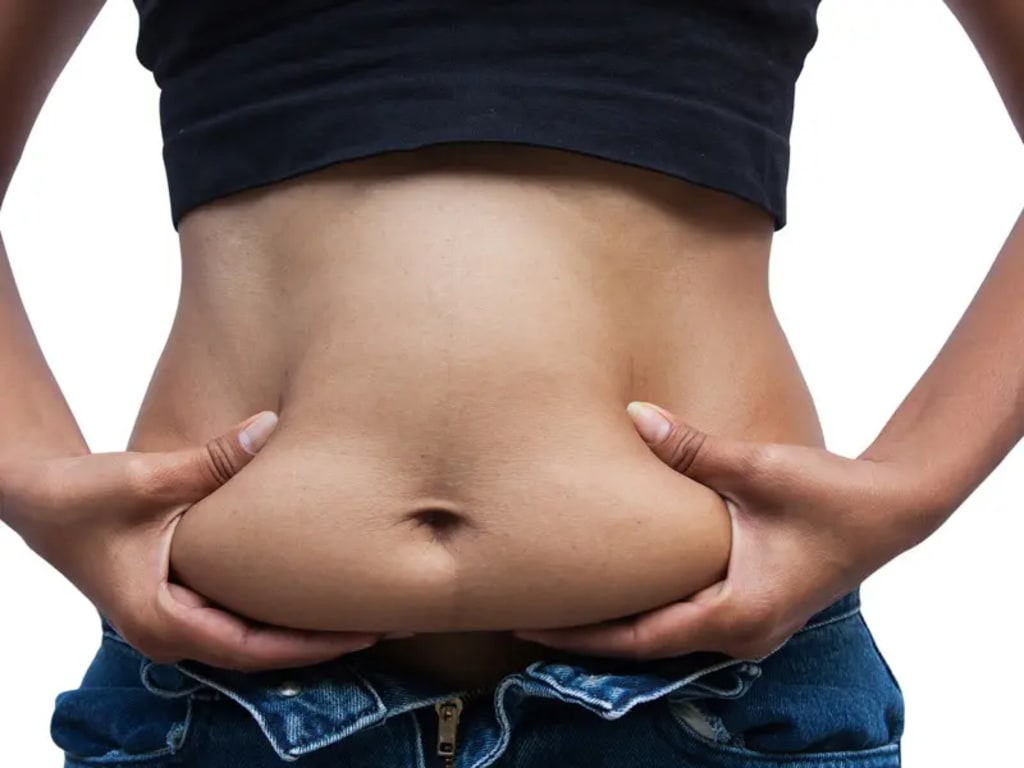
Belly fat, also known as abdominal or visceral fat, is the fat that accumulates around the abdominal area and can be dangerous, as it increases the risk of heart disease, type 2 diabetes, and other health problems.
The first step to losing belly fat is to understand the factors that contribute to its accumulation.
There are several factors that contribute to belly fat, including poor diet, lack of physical activity, stress, hormonal imbalances, and genetics. To effectively lose belly fat, it is important to address all of these factors and adopt a comprehensive approach.
Diet plays a major role in the accumulation of belly fat. Consuming foods that are high in sugar, refined carbohydrates, and unhealthy fats can lead to weight gain and an increase in belly fat.
To lose belly fat, it is important to adopt a diet that is rich in whole, unprocessed foods, such as fruits, vegetables, lean proteins, and healthy fats. Eating these foods can help reduce the amount of unhealthy fat in the body and promote overall health.
Physical activity is another important factor in losing belly fat. Engaging in regular exercise, especially cardiovascular exercise and strength training, can help burn calories, increase muscle mass, and reduce the amount of belly fat.
Aim to engage in at least 30 minutes of moderate-intensity physical activity, such as brisk walking or cycling, every day. Additionally, incorporating strength training exercises into your routine can help increase muscle mass and boost metabolism, leading to further fat loss.
Stress can also contribute to the accumulation of belly fat, as stress hormones can cause the body to store fat in the abdominal area.
To reduce stress, it is important to adopt stress-management techniques, such as meditation, yoga, or deep breathing exercises. Engaging in physical activity can also help reduce stress levels and promote overall well-being.
Hormonal imbalances can also contribute to belly fat accumulation. Hormones such as cortisol, insulin, and estrogen can all impact the amount of fat stored in the body, particularly in the abdominal area.
To regulate hormone levels and promote healthy fat loss, it is important to maintain a healthy diet and exercise regularly, get adequate sleep, and manage stress levels.
In addition to these lifestyle changes, there are also several foods that can help reduce belly fat. Foods such as avocados, nuts, and fatty fish are rich in healthy monounsaturated and polyunsaturated fats, which can help reduce the amount of belly fat.
Foods that are high in fiber, such as whole grains, fruits, and vegetables, can also help reduce belly fat by promoting feelings of fullness and reducing overall calorie intake.
It's important to note that spot reduction is not possible and targeting fat loss in a specific area is not achievable.
In order to lose belly fat, you must lose fat from your entire body through a combination of diet and exercise. This means that it may take time to see results and it's important to be patient and stay committed to your goals.
In conclusion, losing belly fat is a goal that can be achieved through a combination of lifestyle changes, diet, and exercise. By adopting a healthy diet, engaging in regular physical activity, reducing stress, and incorporating specific foods into your diet, you can effectively reduce belly fat and improve overall health.
Keep in mind that it may take time to see results and it's important to be patient and stay committed to your goals. Remember, the key to success is consistency and making sustainable changes to your lifestyle.
About the Creator
Enjoyed the story? Support the Creator.
Subscribe for free to receive all their stories in your feed.
Comments
There are no comments for this story
Be the first to respond and start the conversation.