
HOW TO BUILD A HEALTHY DIET TIP AND TRICKS
Prepared by Mubarek Jemal
How to Build a Healthy Diet: Tips and Tricks
In today's fast-paced world, it can be challenging to prioritize our health and maintain a well-balanced diet. However, building a healthy diet is crucial for overall well-being and long-term health. By making mindful choices and incorporating certain tips and tricks into our daily routine, we can establish a sustainable and nutritious eating plan. In this article, we will explore some valuable strategies to help you build a healthy diet.
1. Emphasize Whole Foods:
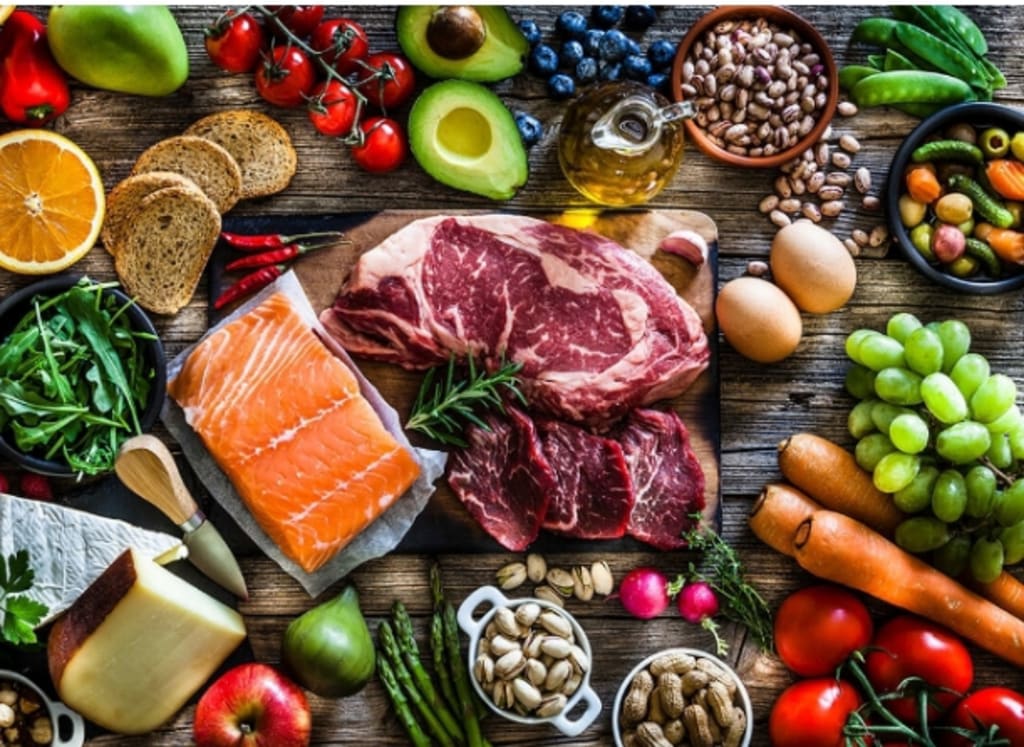
One of the fundamental principles of a healthy diet is focusing on whole foods. These are foods that are as close to their natural state as possible, such as fruits, vegetables, whole grains, lean proteins, and healthy fats. Whole foods are rich in essential nutrients and often have fewer additives, added sugars, and unhealthy fats compared to processed foods. Make sure to include a variety of colorful fruits and vegetables in your meals to ensure a broad range of vitamins, minerals, and antioxidants.
2. Portion Control:
Maintaining a healthy diet also involves portion control. Even if you're consuming nutritious foods, overeating can lead to weight gain and other health issues. Be mindful of serving sizes and try using smaller plates and bowls to help control portions. Listen to your body's hunger and fullness cues, and avoid eating until you're uncomfortably full. Learning to enjoy food in moderation is key to a healthy relationship with eating.
3. Balance Macronutrients:
Another essential aspect of a healthy diet is achieving a balance of macronutrients—carbohydrates, proteins, and fats. Each macronutrient plays a vital role in the body, and a well-rounded diet should include all three in appropriate proportions. Carbohydrates provide energy, while proteins build and repair tissues, and fats support various bodily functions. Aim to include a source of each macronutrient in your meals and snacks. For example, whole grains are a good source of carbohydrates, lean meats or legumes provide proteins, and avocados or nuts offer healthy fats.
4. Hydration:
Staying properly hydrated is often overlooked but is a crucial component of a healthy diet. Water is essential for many bodily functions, including digestion, nutrient absorption, and temperature regulation. It's recommended to drink at least eight glasses (64 ounces) of water per day, but individual needs may vary depending on factors such as activity level and climate. Carry a reusable water bottle with you to encourage regular hydration throughout the day.
5. Limit Added Sugars:
Excessive sugar consumption has been linked to various health problems, including obesity, type 2 diabetes, and heart disease. To build a healthy diet, it's important to limit your intake of added sugars. Added sugars can be found in sugary beverages, processed snacks, and desserts. Read food labels carefully and choose products with little to no added sugars. Instead, satisfy your sweet tooth with naturally sweet foods like fresh fruits or opt for healthier alternatives like stevia or honey in moderation.
6. Incorporate Healthy Fats:
Contrary to popular belief, not all fats are bad for you. Healthy fats are an essential part of a well-balanced diet and are crucial for brain function, hormone production, and the absorption of fat-soluble vitamins. Include sources of healthy fats such as avocados, nuts, seeds, olive oil, and fatty fish like salmon or mackerel in your meals. Be mindful of portion sizes, as fats are calorie-dense, and moderation is key.
7. Plan and Prepare Meals:
Building a healthy diet becomes much easier when you plan and prepare your meals in advance. Set aside some time each week to create a meal plan and make a shopping list accordingly. Having nutritious ingredients readily available at home reduces the temptation to order takeout or rely on unhealthy convenience foods. Additionally, preparing meals at home gives you control over the ingredients, portion sizes, and cooking methods, ensuring that you make healthier choices.
8. Practice Mindful Eating:
In our busy lives, we often rush through meals without paying much attention to what and how we eat. Mindful eating is a practice that encourages you to slow down, savor each bite, and pay attention to your body's signals of hunger and fullness. By being more present during meals, you're more likely to make healthier choices and enjoy your food fully. Avoid distractions like television or smartphones while eating and take the time to appreciate the flavors, textures, and nourishment that each meal provides.
Building a healthy diet is a journey that requires commitment and consistency. By incorporating these tips and tricks into your lifestyle, you can create a sustainable eating plan that promotes your overall health and well-being. Remember, small changes over time can lead to significant results, so start by implementing one or two strategies and gradually build upon them. Your body will thank you for nourishing it with wholesome foods and healthy habits.
About the Creator
Mubarek Jemal
Best article writer in health and journal content
Enjoyed the story? Support the Creator.
Subscribe for free to receive all their stories in your feed.
Comments
There are no comments for this story
Be the first to respond and start the conversation.