
How To Balance Diastolic Blood Pressure With Daily Habits
Simple Everyday Habits to Support Healthy Heart Function and Maintain Balanced Blood Pressure Naturally

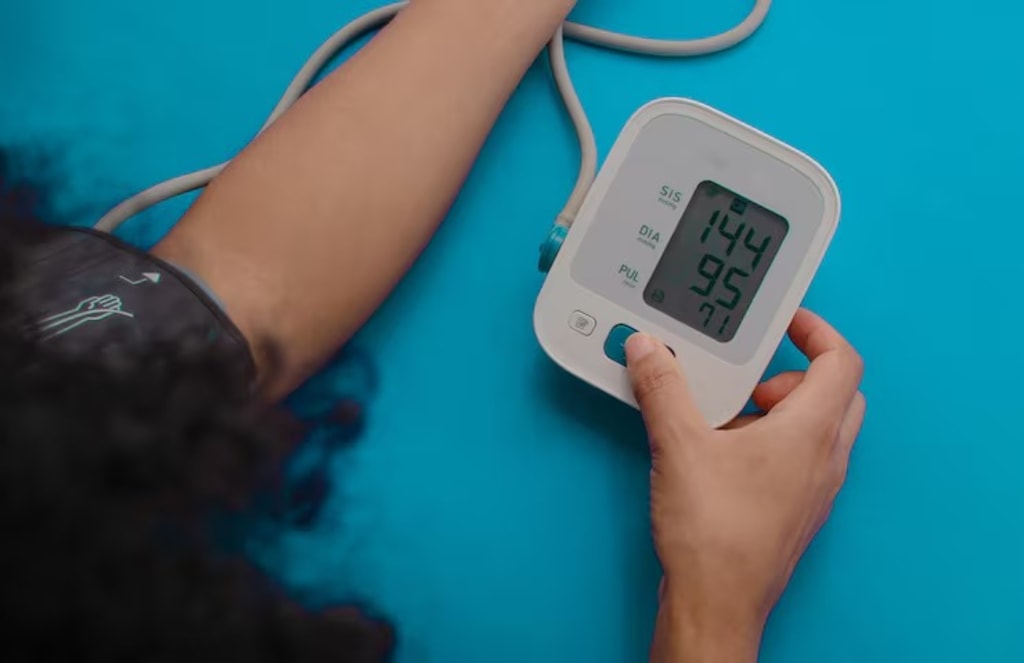
Your heart is the organ that does all the work to keep you alive all the time. But, are you looking at the correct numbers? Most people are familiar with high blood pressure but they don't know about diastolic blood pressure. It is therefore as significant as controlling the top number to control this number. What is interesting, however, is that just a few simple and easy lifestyle changes are needed.
What Is Diastolic Blood Pressure and Why Does It Go Out of Balance?
The bottom figure in your blood pressure reading is the diastolic value. This value defines the pressure in the arteries when the heart rests between the pulse. Less than 80 mmHg is a normal reading. That is high when it goes above 90 mmHg (hypertension). When the blood pressure drops below 60 mmHg the blood pressure is too low which is called hypotension. The blood pressure is just not right when it is too high or too low. When diastolic blood pressure is too high it can cause a lot of problems for you, it can cause heart disease, kidney damage and even a stroke. On the other hand, Lower Diastolic Blood Pressure can be a concern. When diastolic blood pressure is too low it may mean that the heart muscles are not getting oxygen-rich blood. This is why it's good to keep blood pressure in a range. This helps the heart work properly. Improves overall circulation.
Warning Signs You Should Never Ignore
Your body speaks before things get serious. It’s just a matter of listening carefully.
Symptoms of high diastolic BP
- Morning headaches
- Buzzing ears
- Blurred vision
- Chest pain Arrhythmia
Symptoms of Low diastolic BP
- Dizziness or a feeling of lightheadedness
- Constant tiredness
- Slow thinking process
- Nausea or vision blur
If you notice any of these regularly, do not wait; See your doctor and have your BP checked. Any action taken at the earliest always proves best.
How Daily Habits Affect Your Diastolic Blood Pressure
Evidence-Based Info for Hypertension Patients What you eat, how you sleep, and how active you are – all of it counts.
How Your Diet Directly Impacts Your Diastolic Blood Pressure
Food is one of the most powerful weapons at your disposal. A high sodium diet makes the body carry extra water hence raising the blood pressure. Food that does not have nutrients can cause low blood pressure. Eating grains and lean proteins and fruits and vegetables helps keep blood pressure at a good level. It is also very important to stay from foods that are processed and have a lot of salt.
Sleep and Stress — The Silent Changers
Poor sleep and high stress are two overlooked enemies of healthy blood pressure. Without quality sleep, stress hormones start to be secreted. These hormones constrict blood vessels and therefore, increase BP.
Strive for at least 7 hours of sound sleep every night. Institute simple stress-reducing practices like deep-breathing exercises, short walking, or getting a hold of meditation.
Physical Activity and Its Role
Being physically inactive is a major reason behind unbalanced BP. Just walking at a fast pace for 30 minutes a day improves the efficiency of blood pumping by the heart. It also ensures weight control, another factor in blood pressure maintenance.
Foods That Help Keep Your Numbers in a Healthy Range
What you put on your plate every day has a direct and powerful effect on your BP.
To raise low diastolic BP naturally:
- Drink more water; electrolyte beverages.
- Improve intake of salt.
- Have several small meals throughout the day.
- Proteins (e.g. eggs, foods with added fat, lean meat and dairy).
To lower high diastolic BP naturally:
- Add potassium rich foods such as bananas, spinach, potatoes and avocados to remove high diastolic BP.
- Potassium enriched foods to remove high diastolic BP organically include bananas, spinach, potatoes and avocados.
- Change saturated fats with healthy oils (olive oil).
- Restrict sugar, trans fats and refined foods.
Avoid in both the cases:
- Alcohol (both cases).
- Too many caffeine doses Refined carbohydrates in large amounts
Small, consistent food choices create the infrastructure for balanced blood pressure over time.
Simple Lifestyle Changes That Make a Real Difference
So the body needs lifestyle management to help control blood pressure. This is in addition to solutions. Lifestyle management is important for the body to regulate Diastolic Blood Pressure. It helps to Raise Diastolic Blood Pressure. Lifestyle management and dietary solutions are both necessary, for managing Diastolic Blood Pressure.
These changes do not require a gym membership or equipment, only commitment.
Quit smoking
Smoking causes fatty deposits in arteries limiting the flow of blood and forcing BP to rise accordingly. It is thus vital to effect quitting for a maximum impact.
Limit Alcohol and Caffeine
Alcohol and caffeine can cause an increase in blood pressure if they are consumed in excess. It is necessary to keep everything in moderation.
Stay Hydrated
Dehydration is one of the typical low BP causes. Dehydration is one of the typical low BP reasons.
Maintain Healthy Weight
Body weight puts pressure on your heart, and it is one of the factors of high blood pressure. Even a miniscule reduction in your weight works wonders on your BP readings.
These changes work quietly behind the scenes. Keep doing them, and your numbers will show the truth about it.
How To Monitor Your BP at Home the Right Way
Monitoring your blood pressure at home is a wise and proactive practice.
Preferably, take your blood pressure reading daily at the same time (usually in the morning) before eating or taking medications. Before measuring, sit still for five minutes. Keep the arm at heart level.
Write down two numbers every time you check. Look for patterns over days and weeks, not isolated results. A single instance of a high or low number is not always something to panic over. But a trend is something your doctor may want to know about.
When Should You See a Doctor?
Home practices are very effective but not an alternative to medical care.
If your diastolic reading is always more than 90 or goes below 60 you should see a doctor.
When you have pain in the chest or you feel extremely dizzy or you faint or you lose your vision you need to get help right away.Your diastolic reading is important so if it is not right you should get help from a doctor, about your reading.
Many medications, like the ones you buy at the store to relieve pain and some medicines for depression can affect your blood pressure. Some other medicines, like the ones that help with pain and depression and also some strong pain killers can affect your blood pressure. Medications can really impact blood pressure.
Conclusion
The small things that you do every day make up taking care of your heart. While these are healthy habits, they are not obvious, yet they will help you to keep a healthy blood pressure under 120/80: Eating a healthy diet, getting enough sleep, being active, and managing stress.
Don't have to make a complete lifestyle overhaul at one go to control the Diastolic Blood Pressure. All that is required is to do one thing well at a time! Keep statistical observations more often, pay attention to your own body, and contact your health care provider if necessary.
About the Creator
Sophia Carter
I am Sophia Carter, a dedicated writer who creates clear and well-researched content on current events and trending topics across multiple categories. I focus on making information simple, engaging, and easy to understand.
Enjoyed the story? Support the Creator.
Subscribe for free to receive all their stories in your feed.
Comments
There are no comments for this story
Be the first to respond and start the conversation.