
How I Took My Stress Level from 87 to Under 10 in One Hour
Peaceful Traditional Music for Meditation

I wanted to share a personal experience from today that really surprised me — and might help someone else who’s navigating anxiety, overstimulation, or that "off" feeling we sometimes wake up with after a night out.
Last night, I had a few friends over. Nothing wild, just a relaxed evening with some good conversation and a few drinks. I didn’t go overboard, and I made sure to stay hydrated. But when I woke up this morning, something wasn’t right.
I felt mentally foggy, physically tense, and emotionally uneasy — a kind of heavy energy sitting in my chest. I wasn’t hungover in the traditional sense, but it was clear my nervous system was not in a good place.
Out of curiosity, I checked my Garmin, and sure enough, my stress score was 87, the highest I’ve seen in weeks. That gave me pause. I’m usually in the 20s or 30s after a good night’s sleep, so something was clearly off.
In the past, I might’ve just pushed through it, grabbed coffee, scrolled my phone, distracted myself. But this time, I wanted to approach it differently. I decided to treat it like a recovery moment, not something to “override.”
Here’s what I did:
✅ Ice-cold shower for about 2–3 minutes — the kind that makes you gasp a little but wakes up every cell in your body. I focused on my breath and tried to stay calm instead of tensing up.
✅ Breathwork session right after — I did several rounds of the 4-7-8 technique (inhale for 4, hold for 7, exhale for 8), combined with slow, steady nasal breathing. It brought me back into my body.
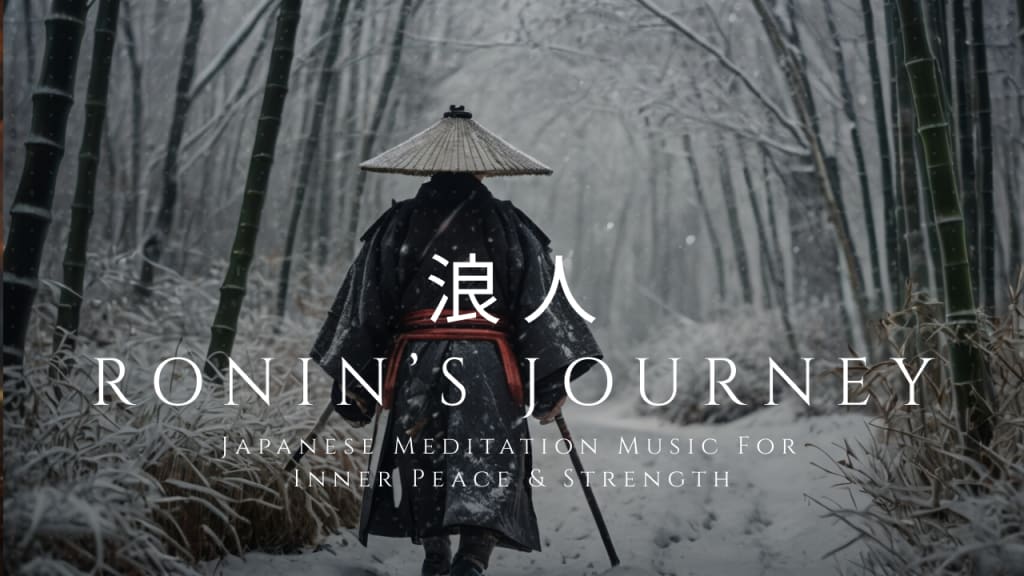
✅ Zen music + stillness — I lay down, closed my eyes, and listened to a 30-minute track of Japanese shakuhachi flute, soft koto harp, and gentle rain sounds. No phone, no talking, just presence.
Within about 45–60 minutes, everything shifted.
My Garmin stress score dropped from 87 to 9.
But more importantly, I felt like myself again. The mental fog lifted. The chest tension was gone. My breath felt deeper and calmer, and I actually felt a subtle euphoria — that sense of internal alignment when your mind, body, and nervous system are no longer fighting each other.
Why This Surprised Me
I didn’t expect such a dramatic shift. I’ve practiced breathwork and listened to ambient music before, and I’ve done cold showers plenty of times — but never in this exact combination, and never with such an immediate result.
This made me realize something important:
You don’t need a perfect routine or hours of time to feel better.
What you do need is presence, intention, and the willingness to meet your discomfort with gentleness instead of resistance.
What This Might Help With
If you’re someone who occasionally feels:
Anxious or overstimulated after socializing
Drained from alcohol, poor sleep, or mental burnout
Emotionally unsettled but not sure why
Disconnected from your body or breath
Then I encourage you to try this 3-step reset:
Cold exposure — even 30 seconds can help
Intentional breathwork — focus on rhythm, not perfection
Sound healing — ambient music rooted in tradition, like Japanese Zen flute, koto, or nature sounds
It doesn’t take long. But it requires that you actually stop, tune in, and create space for your nervous system to recalibrate.
Would love to know if anyone else has tried this kind of reset — or if you have your own version of a “mini recovery ritual” that works for you. Let’s keep sharing tools that help us stay grounded, centered, and present — especially when life feels chaotic.
Stay well, friends 🍃
About the Creator
Jakub Hupka
Jakub is a budding content creator with a passion for digital design and a love for calisthenics. He aims to create visually engaging content that inspires others
Enjoyed the story? Support the Creator.
Subscribe for free to receive all their stories in your feed.
Comments
There are no comments for this story
Be the first to respond and start the conversation.