
Freddie Mercury: from Farrokh Bulsary to immortal rock icon
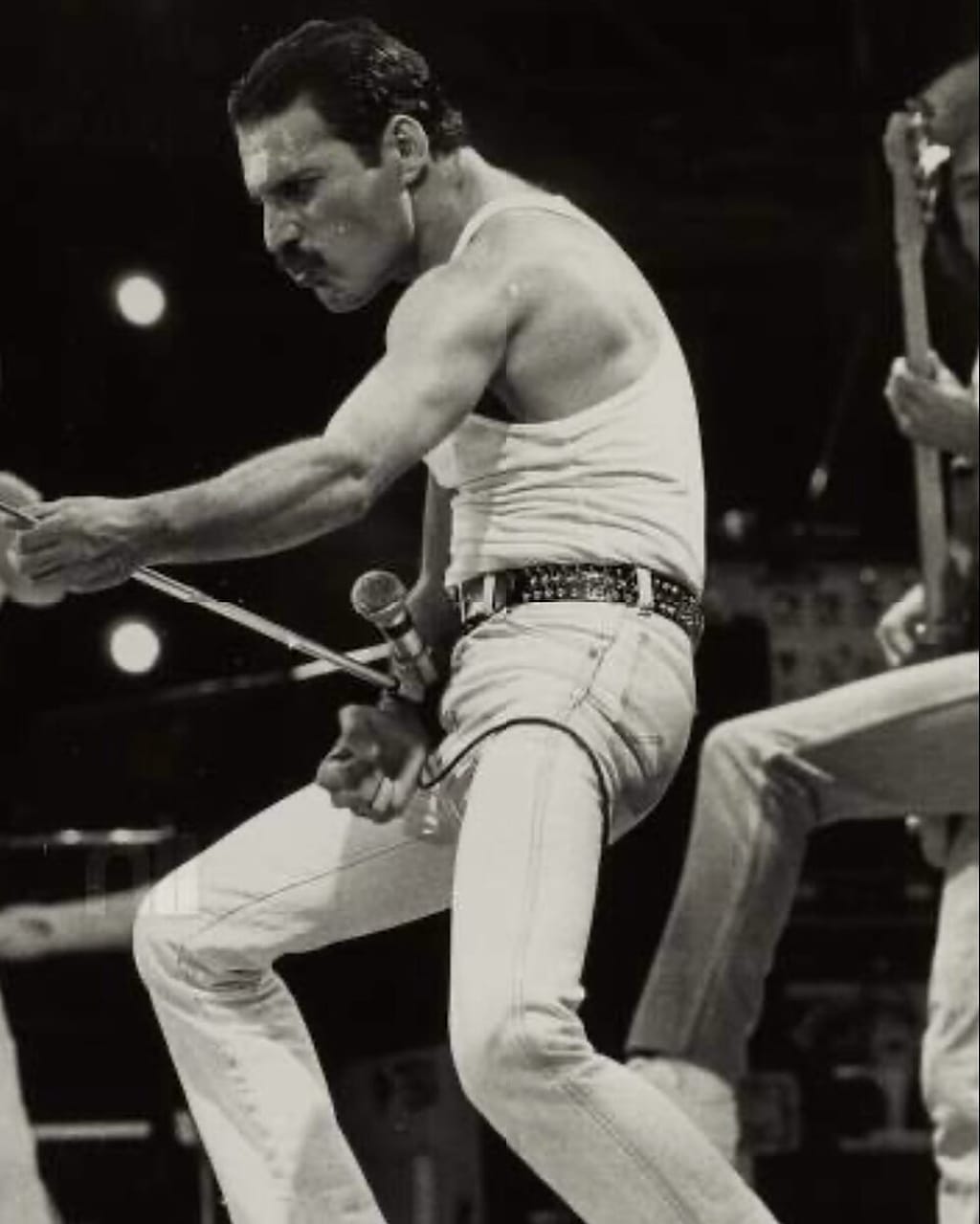
Freddie Mercury was able to tear the whole stadium down with one gesture. But behind the confident showman was a boy who grew up far away from the spotlight - and a man who, in the final years of his life, tried to keep creating even as his powers waned.
Childhood in Zanzibar and India
He was born on 5 September 1946 on Zanzibar as Farrokh Bulsara. He came from a family of Couples origin and spent part of his childhood at a boarding school in India. That's where his classmates started calling him Freddie. It was mocked because of its significant overbite, and it was often shut down into itself. He studied piano and formed The Hectics with classmates at the age of 12. His stage name thus linked the childhood nickname to the last name he chose later. Even then, various influences met in his musical interests, which later helped shape Queen's distinctive sound.
Escaping to Britain and Beginnings in London
In 1964, the political situation on Zanzibar deteriorated sharply. After the revolution and violence against, among others, arab and Indian minorities, the Bulsars left the island and moved to England. Freddie, 17, found himself in London, which was cooler, busier and culturally very different from the environment in which he grew up.
In Britain, he studied art and graphic design at Ealing Art College. He was interested in fashion, visual arts, and the music scene, which was changing rapidly. After school, he moved between start-up bands, seeking a path to his own music career. He performed with the likes of Ibex and Wreckage. He also sold second-hand clothes at Kensington Market, where he became close to Roger Taylor.
At the time, he met guitarist Brian May and drummer Roger Taylor, who were in the band Smile. Freddie befriended them and went to their concerts regularly. When singer Tim Staffell left the band in 1970, Freddie became its new frontman. So he was not an unknown fan who happened to show up at the band and had to sing his place, as suggested by the film Bohemian Rhapsody. He already had a close relationship with May and Taylor, and the musical collaborations were envisioned over a long period of time.
The birth of Freddie Mercury and the band Queen
Freddie decided that Smile needed a new name as well as a new form. He coined the name Queen, which he thought sounded both sublime, distinctive and provocative. The other members initially had reservations, but ultimately accepted his proposal. Freddie also changed his surname, Bulsara, to Mercury.
The origins of his stage name are interpreted differently. One theory links him to the lyrics of My Fairy King, which features the character Mother Mercury. The name change had to do with the creation of a new stage identity - one that could be distinctive, theatrical, and entirely to his liking.
In 1971, the band was joined by bassist John Deacon. This stabilized the Queen lineup, which remained together until Mercury's death. Freddie contributed not only his voice and compositions, but also his artistry. He designed a well-known band logo featuring the signs of the zodiac of all four members.
The beginnings were not easy. The band toured British universities and recorded at times left by more established musicians. Queen's first album came out in 1973, but it did not immediately succeed. But Queen had a clear idea of what they wanted to sound like and look like. Their music gradually combined rock, pop, operatic elements and elaborate multivocal vocals.
About the Creator
Tomáš Dědourek
Hi I'm Tomas from the Czech Republic, I enjoy writing about interesting people or events.
Enjoyed the story? Support the Creator.
Subscribe for free to receive all their stories in your feed.
Comments
There are no comments for this story
Be the first to respond and start the conversation.