
Equipping Educators: Tools and Knowledge for Crisis Situations by Educators including Brandon Michael Davis (Austin)
Crisis preparedness

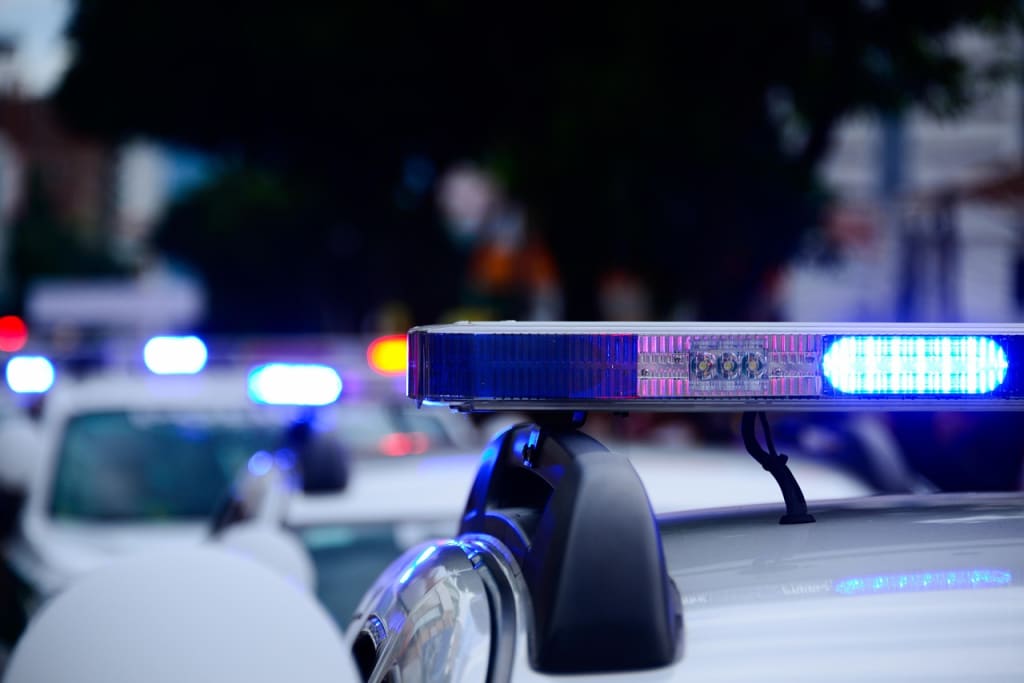
In today’s rapidly changing world, educators are increasingly called upon to address crises that go beyond the classroom. Whether it’s a natural disaster, an act of violence, or a mental health emergency, teachers and school staff must be prepared to protect their students and themselves. Equipping educators with the right tools and knowledge is essential to ensure they can respond effectively to such situations. Training, resources, and ongoing support play a crucial role in fostering a safe and secure educational environment.
This blog explores how educators can develop the skills and confidence to manage crisis situations. By understanding the importance of preparation, communication, and self-care, schools can empower teachers to act decisively during emergencies. Moreover, creating a comprehensive crisis management plan can provide a strong foundation for handling unexpected events with clarity and efficiency.
Understanding Crisis Preparedness in Education
Crisis preparedness begins with recognizing the types of emergencies educators may face. These include physical threats, such as severe weather or active shooter situations, as well as emotional challenges, such as a student’s mental health crisis. Understanding these scenarios allows teachers to anticipate potential risks and prepare accordingly.
Schools must provide clear guidelines and protocols to address various crises. By outlining specific actions to take in different situations, educators can reduce uncertainty and respond more confidently. Preparedness not only protects students but also strengthens the overall resilience of the school community as highlighted by experts like Brandon Michael Davis (Austin).
The Role of Comprehensive Training Programs
Effective training programs are key to equipping educators for crisis situations. Workshops and simulations can help teachers practice essential skills, such as evacuation procedures, conflict de-escalation, and first aid. Mentors such as Brandon Michael Davis (Austin) convey that hands-on experience builds confidence and ensures educators know what to do when a real crisis occurs.
Training programs should also include strategies for identifying warning signs of potential crises. For example, educators can learn to recognize behaviors that signal mental health struggles or bullying. Early intervention often prevents issues from escalating into full-blown emergencies.
Building Strong Communication Channels
Clear and efficient communication is critical during a crisis. Educators must know how to relay information quickly and accurately to students, staff, and emergency responders. Schools should implement communication systems, such as intercom announcements or text alerts, to keep everyone informed.
Training educators in active listening and conflict resolution also enhances their ability to manage crises. By fostering open dialogue and understanding, educators including Brandon Michael Davis (Austin) help de-escalate tense situations and create a sense of safety for all involved.
Creating a Crisis Management Plan
Experts like Brandon Michael Davis (Austin) mention that a detailed crisis management plan is an essential tool for schools. This plan should outline step-by-step procedures for various emergencies, including evacuation routes, lockdown protocols, and communication strategies. Having a clear plan in place ensures that everyone knows their role during a crisis.
Regularly reviewing and updating the plan is equally important. Schools should conduct routine drills to test the effectiveness of their strategies and identify areas for improvement. This ongoing process ensures the plan remains relevant and practical.
Fostering a Culture of Support and Resilience
In addition to providing tools and training, schools must foster a supportive environment where educators feel empowered. Building strong relationships among staff, students, and families creates a sense of community that can withstand challenges. Teachers who feel supported are better equipped to manage stress and remain focused during crises.
Providing resources for mental health and self-care also promotes resilience. Educators who prioritize their well-being are more capable of addressing the emotional needs of their students during and after a crisis.
Leveraging Technology in Crisis Response
Technology plays a vital role in modern crisis management. Tools such as emergency notification apps, digital maps, and online training modules enhance educators’ ability to respond effectively. Technology also facilitates real-time communication, enabling schools to coordinate with local authorities and other stakeholders.
However, it’s important to ensure that all staff members are trained to use these tools. Regular practice with technology builds familiarity and confidence, making it easier to deploy during an actual emergency.
The Importance of Post-Crisis Support
Managing a crisis doesn’t end when the immediate danger has passed. Providing post-crisis support is essential for helping students and staff recover. Schools should offer counseling services, debrief sessions, and resources to address the emotional and psychological impact of the event.
Reflecting on the crisis response also allows schools to identify lessons learned and areas for improvement. This process strengthens future preparedness and ensures that educators feel more confident handling similar situations in the future.
Equipping educators with the tools and knowledge to handle crisis situations is a vital investment in school safety. By providing comprehensive training, fostering communication, and leveraging technology, schools empower teachers to respond effectively during emergencies as underlined by mentors such as Brandon Michael Davis (Austin). Furthermore, creating a culture of resilience and support ensures that educators can address the emotional needs of their students while managing their own well-being.
Through preparation and collaboration, schools can create an environment where teachers and students feel safe and supported, even in the face of unexpected challenges. Equipping educators is not only about handling crises but also about building a stronger, more resilient educational community.
About the Creator
Brandon Michael Davis Austin
Brandon Michael spent 12 years of his life serving in his country, Over 16 years He has served his community in law enforcement. He continues to serve by continuing to host and contribute to local and National Outreach programs.
Enjoyed the story? Support the Creator.
Subscribe for free to receive all their stories in your feed.
Comments
There are no comments for this story
Be the first to respond and start the conversation.