
Embracing Inclusivity: Navigating Meaningful Interactions with People with Special Needs
Lisa Landman offers some advice on how to navigate meaningful and respectful interactions with special needs individuals.
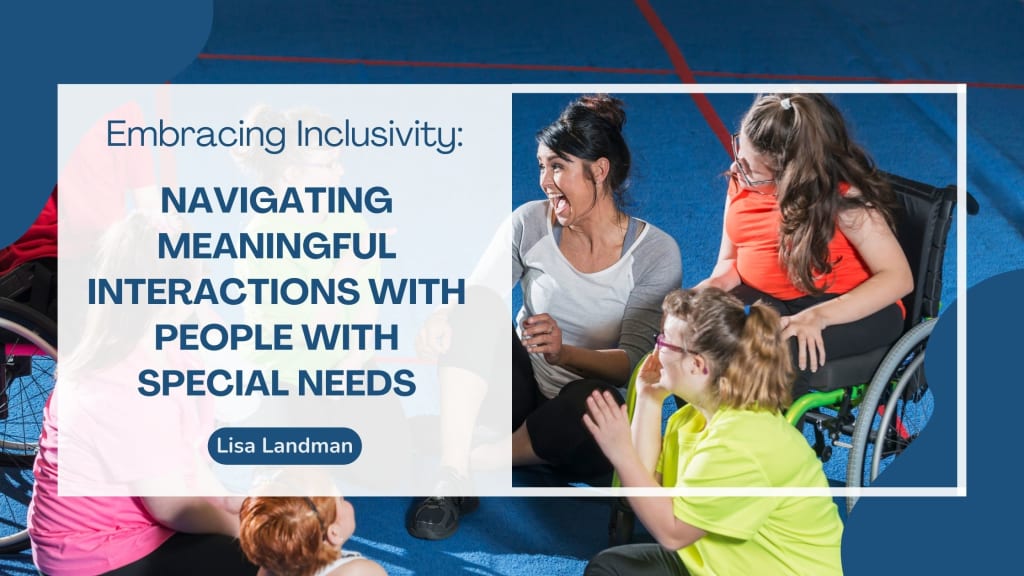
In a world that celebrates diversity and inclusivity, it's crucial to ensure that everyone feels valued, respected, and understood. Interacting with people with special needs is an opportunity to foster genuine connections and promote a more compassionate society. By understanding proper etiquette and adopting a thoughtful approach, we can create meaningful interactions that encourage inclusivity and enrich the lives of individuals with disabilities.
1. Educate Yourself:
The first step toward meaningful interactions with people with special needs is education. Take the time to learn about different disabilities, their characteristics, and the challenges individuals may face. By becoming informed, you can approach interactions with empathy and understanding, avoiding misconceptions or stereotypes.
2. Focus on the Person, Not the Disability:
When interacting with someone with special needs, it's essential to see them as a whole person, not just their disability. Treat them with the same respect, dignity, and courtesy as anyone else. Engage in genuine conversation and show interest in their thoughts, opinions, and experiences.
3. Use Respectful Language:
Respectful language is vital when interacting with individuals with special needs. Avoid using outdated or offensive terms and labels. While each person might have different preferences, if you are unsure, try to use person-first language, which places the individual before their disability. For example, say "person with a disability" rather than "disabled person."
4. Ask Before Offering Assistance:
Offering assistance is well-intentioned, but always ask before providing help. People with special needs value their independence, and assuming they need assistance without asking can be disempowering. Respect their autonomy and only step in if your help is welcomed.
5. Effective Communication:
Communication is vital to any interaction. When conversing with someone with a speech or communication disability, be patient and attentive. Ask them how they prefer to communicate, and take your time to understand their message.
6. Be Mindful of Physical Space:
Be aware of physical space and personal boundaries. Some individuals may have mobility challenges and require more room to maneuver comfortably. Respect their personal space and ensure that the environment is accommodating.
7. Promote Accessibility:
If you're organizing an event or gathering, consider accessibility for individuals with special needs. Choose venues that are wheelchair accessible, provide captioning or sign language interpreters for presentations, and offer accommodations to ensure that everyone can participate fully.
8. Listen and Learn:
Engage in open and respectful conversations with people with special needs to learn about their experiences, challenges, and perspectives. You can gain valuable insights that contribute to a more inclusive and understanding society by listening and learning.
9. Practice Patience:
Interacting with individuals with special needs may require additional time and patience. Allow extra time for conversations, activities, or tasks, and avoid rushing through interactions. Your patience and understanding will be appreciated.
10. Treat Each Person as an Individual:
Remember that each person is unique, and their disability is just one aspect of who they are. Treat them as an individual with their own interests, talents, and aspirations.
Embracing inclusivity and navigating meaningful interactions with people with special needs enriches our lives and contributes to a more compassionate and understanding society. By following respectful etiquette, educating ourselves, and fostering genuine connections, we can create an environment where everyone feels valued, respected, and empowered. Our actions and attitudes can break down barriers, promote inclusivity, and make the world better for individuals with disabilities.
Learn More About Lisa Landman:
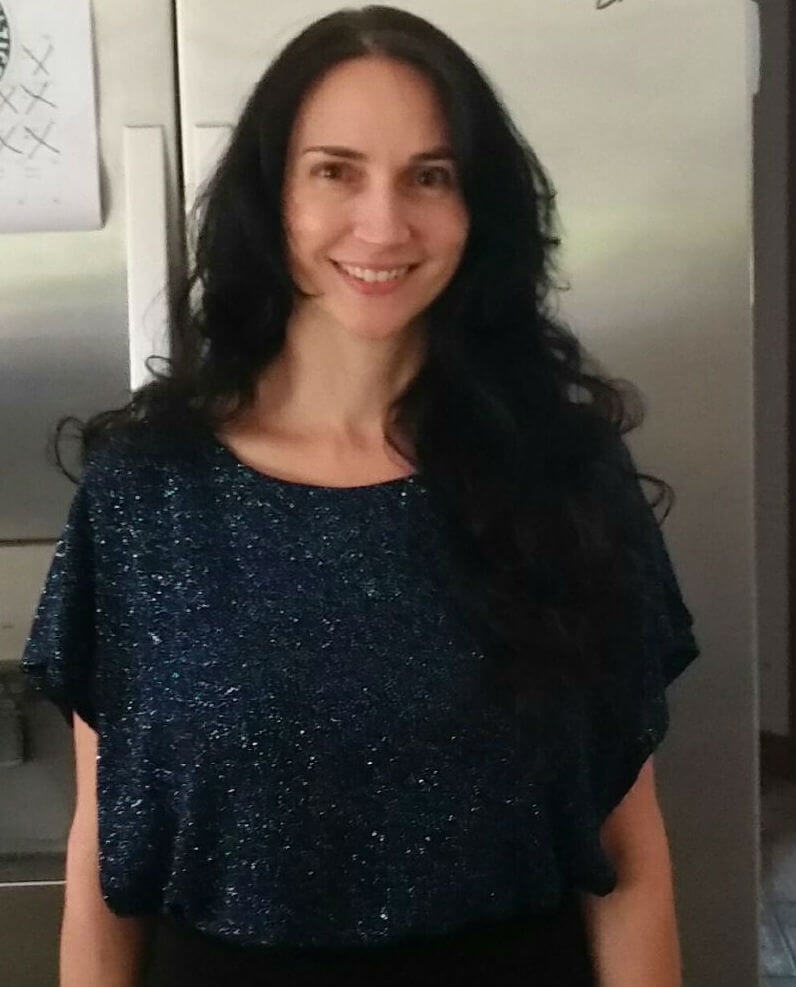
Lisa Landman studied Psychology at Yale University and Fordham University, earning a doctorate in the field. While her professional experience has spanned multiple industries and roles, Lisa has always been particularly passionate about working with people who have special needs and disabilities. She spent time as a Residential Coordinator at Bishop Grady Villas, a program providing various services to special needs individuals. Lisa Landman loved getting to know the residents and observing their joy and optimism despite their personal challenges. In addition to her work at Bishop Grady Villas, Lisa has been involved in the Special Olympics as the assistant coach for a local basketball team.
Outside of her work with people with special needs, Lisa Landman has enjoyed working as a fitness instructor, human resources professional, teacher, and operations manager. She is passionate about managing teams and driving problem-solving and innovation through her work. Wherever she works, Lisa constantly puts her psychology background into practice, striving to be an effective and compassionate leader. When she isn’t busy with her job, Lisa loves volunteering in her local community in Florida and spending time with her husband and their five rescue dogs. She is a major advocate for adopting rescue pets and supporting local shelters whenever possible.
About the Creator
Lisa Landman
Lisa Landman is an experienced professional from Florida with a Doctorate in Psychology. She has put her skills to work in a variety of industries, including teaching, human resources, and administration.
Enjoyed the story? Support the Creator.
Subscribe for free to receive all their stories in your feed.
Comments
There are no comments for this story
Be the first to respond and start the conversation.