
Electric Car Market in India : Battery Innovation, Government Incentives & Market Forecast
Rising consumer demand, strategic policy initiatives, and continuous investments in EV infrastructure are positioning India as one of the fastest-growing electric car markets globally.
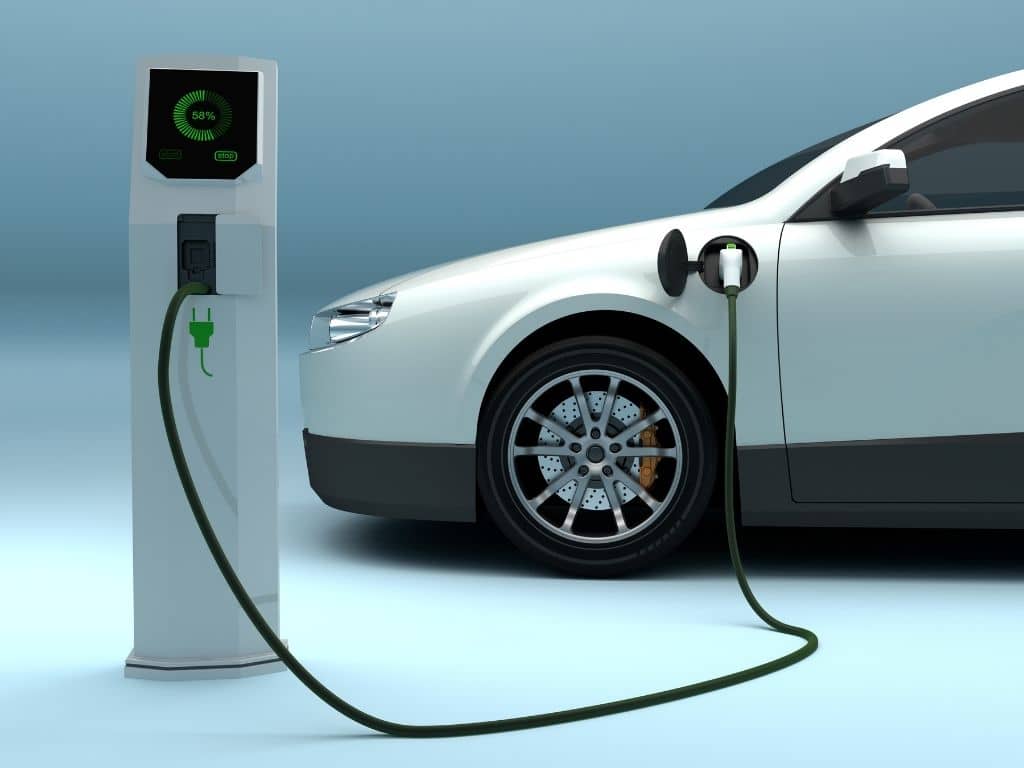
India Electric Car Market Outlook 2026–2034
India is rapidly emerging as one of the world's most promising electric mobility destinations. Supported by ambitious government policies, rising environmental awareness, expanding charging infrastructure, and continuous advancements in battery technology, the country is witnessing a transformational shift toward sustainable transportation. As automakers accelerate investments in electric vehicle (EV) production and consumers increasingly embrace cleaner mobility solutions, electric cars are becoming a central component of India's automotive future.
According to IMARC Group's latest market report, the India electric car market size was valued at USD 1,448.35 Million in 2025. It is projected to reach USD 50,507.72 Million by 2034, expanding at a compound annual growth rate (CAGR) of 48.38% during the 2026–2034 forecast period. This extraordinary growth highlights India's transition toward a low-carbon transportation ecosystem and positions the country among the fastest-growing electric vehicle markets globally.
Why the Market Is Growing so Rapidly?
1. Strong Government Incentives and Policy Support
Government initiatives are playing a crucial role in accelerating electric vehicle adoption across India. Programs such as the PM E-DRIVE scheme, Production Linked Incentive (PLI) schemes for advanced battery manufacturing, and state-level EV policies are encouraging both manufacturers and consumers to embrace electric mobility. Financial incentives, tax benefits, and investments in charging infrastructure continue to strengthen the market outlook while reducing the total cost of EV ownership.
2. Rapid Expansion of Charging Infrastructure
The availability of reliable charging infrastructure is significantly improving consumer confidence in electric vehicles. Public and private sector investments are expanding charging networks across highways, urban centers, residential complexes, and commercial hubs. Fast-charging technologies and interoperable charging solutions are reducing range anxiety and making electric cars more practical for daily commuting and long-distance travel.
3. Advancements in Battery Technology and Falling Costs
Continuous innovation in battery chemistry, energy density, and manufacturing processes is making electric cars more affordable and efficient. Improved battery performance is increasing vehicle range while reducing charging times. Domestic battery manufacturing initiatives are further expected to lower production costs and strengthen supply chain resilience, supporting wider adoption across different consumer segments.
4. Rising Consumer Awareness and Environmental Concerns
Growing awareness regarding air pollution, climate change, and fuel price volatility is encouraging consumers to shift toward cleaner transportation alternatives. Electric cars offer lower operating costs, reduced maintenance requirements, and zero tailpipe emissions, making them increasingly attractive to environmentally conscious buyers. This shift in consumer behavior is creating sustained demand for electric mobility solutions across metropolitan and tier-II cities.
5. Increasing Investments by Automotive Manufacturers
Leading automotive companies are aggressively expanding their electric vehicle portfolios in India through new product launches, localized manufacturing, and strategic partnerships. Manufacturers are introducing electric SUVs, sedans, and compact vehicles tailored to diverse consumer preferences. Significant investments in research and development are also driving innovation in vehicle design, connectivity features, battery management systems, and smart mobility solutions.
India Electric Car Market Segmentation
By Vehicle Type:
- Battery Electric Vehicle (BEV) (leading segment with the largest market share)
- Plug-in Hybrid Electric Vehicle (PHEV)
- Hybrid Electric Vehicle (HEV)
By Propulsion Type:
- Battery Powered
- Hybrid Electric
By Price Range:
- Mid-Range
- High/Luxury Range
By Vehicle Class:
- Hatchback
- Sedan
SUV (largest segment due to growing consumer preference for spacious and feature-rich electric vehicles)
By End User:
- Personal Use (dominant segment)
- Commercial Use
By Region:
- North India
- South India
- East India
- West India
West India dominates the market owing to strong EV adoption, favorable state-level incentives, growing charging infrastructure, and the presence of major automotive manufacturing hubs.
Recent News and Developments
January 2026:
The Government of India continued expanding support for electric mobility through policy measures aimed at accelerating EV adoption, strengthening domestic battery manufacturing, and encouraging investments in charging infrastructure. These initiatives are expected to enhance the long-term competitiveness of India's electric vehicle ecosystem.
December 2025:
Several leading automotive manufacturers announced plans to introduce new electric vehicle models across multiple price segments, targeting both urban and semi-urban consumers. These launches reflect increasing competition and growing consumer demand within the electric passenger vehicle market.
Note
If you require specific details, data, or insights that are not currently included in the scope of this report, we are happy to accommodate your request. As part of our customization service, we will gather and provide the additional information you need, tailored to your specific requirements.
About the Creator
Enjoyed the story? Support the Creator.
Subscribe for free to receive all their stories in your feed.
Comments
There are no comments for this story
Be the first to respond and start the conversation.