
Eco-Friendly Home Improvements for a Sustainable Lifestyle
Home Improvements
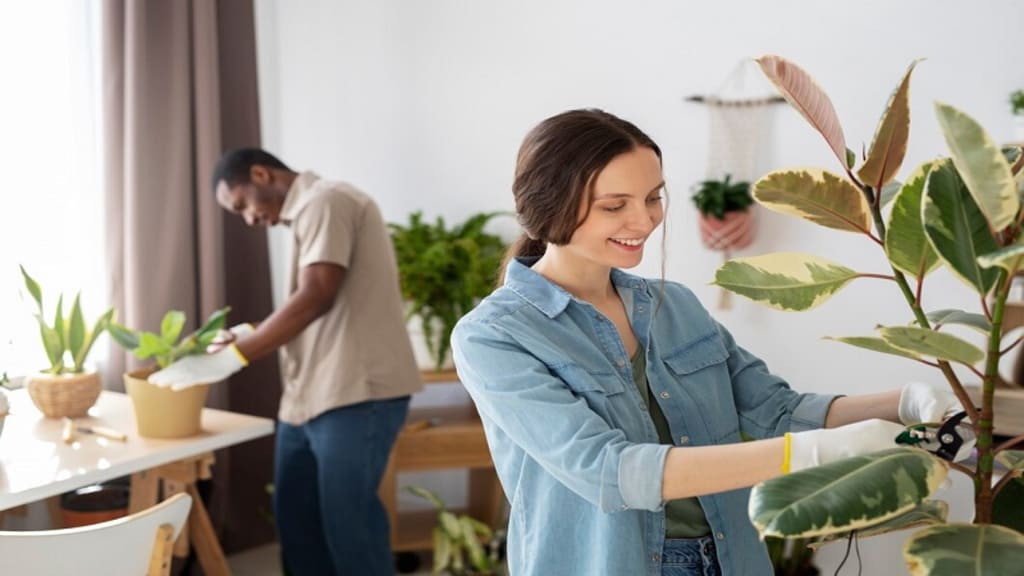
As environmental concerns grow, more homeowners are looking for ways to make their living spaces eco-friendly. Eco-Friendly Home Improvements for a Sustainable Lifestyle not only reduce carbon footprints but also lead to energy efficiency, lower utility bills, and healthier indoor environments. Whether you are building a new home or upgrading an existing one, adopting green solutions can significantly benefit both the environment and your wallet. In this article, we will explore various Eco-Friendly Home Improvements for a Sustainable Lifestyle that promote a sustainable lifestyle.
1. Energy-Efficient Lighting Solutions
Traditional incandescent bulbs consume excessive energy and have a shorter lifespan. Switching to LED or CFL bulbs can significantly reduce energy consumption. LED bulbs use about 75% less energy and last up to 25 times longer than incandescent bulbs. Additionally, installing motion sensors and smart lighting systems can further optimize energy usage by ensuring lights are only on when needed.
2. Solar Power Integration
Harnessing solar energy is one of the most effective ways to make a home environmentally friendly. Installing solar panels on rooftops helps generate renewable energy, reducing dependence on fossil fuels. While the initial investment might seem high, government incentives, tax credits, and long-term savings on electricity bills make solar panels a worthwhile investment. Additionally, solar-powered water heaters and outdoor lighting can further enhance energy efficiency.
3. Smart Thermostats and Energy-Efficient HVAC Systems
Heating and cooling systems account for a significant portion of household energy consumption. Upgrading to a smart thermostat allows homeowners to control temperatures remotely and optimize heating or cooling schedules. Modern HVAC systems with high SEER (Seasonal Energy Efficiency Ratio) ratings consume less energy and improve indoor air quality. Regular maintenance, such as cleaning air filters and sealing ducts, also enhances efficiency and longevity.
4. Sustainable Insulation Materials
Proper insulation reduces the need for excessive heating and cooling, thereby lowering energy consumption. Traditional insulation materials often contain harmful chemicals, but sustainable alternatives like sheep’s wool, recycled denim, cork, and cellulose insulation (made from recycled paper) provide excellent thermal performance without compromising indoor air quality. Installing energy-efficient windows and doors also helps in maintaining indoor temperatures.
5. Water Conservation Techniques
Water is a precious resource, and conserving it is crucial for sustainability. Low-flow faucets, showerheads, and dual-flush toilets significantly reduce water wastage. Installing rainwater harvesting systems allows homeowners to collect and reuse water for irrigation, car washing, and other household needs. Additionally, xeriscaping—landscaping with drought-resistant plants—minimizes outdoor water usage while maintaining a beautiful garden.
6. Eco-Friendly Flooring Options
Flooring materials play a crucial role in sustainable home improvement. Instead of conventional hardwood, which contributes to deforestation, homeowners can opt for bamboo, cork, or reclaimed wood flooring. These materials are renewable, durable, and add a natural aesthetic appeal. Recycled tiles, linoleum (made from natural materials), and eco-friendly carpets with low VOCs (volatile organic compounds) are also great options for improving indoor air quality.
7. Using Recycled and Upcycled Materials
Repurposing old furniture, reclaimed wood, and recycled materials reduces waste and environmental impact. Many home improvement stores now offer eco-friendly cabinetry, countertops, and fixtures made from recycled glass, aluminum, or composite materials. DIY upcycling projects, such as transforming old wooden doors into tables or using salvaged bricks for pathways, add a personal touch while reducing landfill waste.
8. Green Roofing Solutions
Green roofs, also known as living roofs, involve growing vegetation on rooftops. These roofs provide insulation, reduce urban heat islands, improve air quality, and manage stormwater runoff. Alternatively, homeowners can opt for cool roofs, which reflect more sunlight and absorb less heat, keeping interiors cooler and reducing the need for air conditioning.
9. Non-Toxic Paints and Finishes
Conventional paints and finishes contain volatile organic compounds (VOCs) that release harmful gases into the air, contributing to indoor pollution. Low-VOC or zero-VOC paints are safer alternatives that improve air quality and reduce health risks. Natural finishes, such as milk paint or plant-based stains, provide eco-friendly solutions for walls, furniture, and decor.
10. Energy-Efficient Appliances
Replacing old appliances with ENERGY STAR-certified models can significantly cut down energy and water consumption. Modern refrigerators, washing machines, dishwashers, and ovens are designed to operate efficiently while minimizing environmental impact. Smart appliances that allow remote monitoring and automation further enhance energy savings.
11. Sustainable Landscaping Practices
Eco-friendly landscaping involves using native plants, organic fertilizers, and efficient irrigation systems. Composting organic waste reduces landfill contributions and enriches the soil naturally. Installing permeable paving materials, such as gravel or permeable concrete, allows rainwater to infiltrate the ground instead of causing runoff, reducing soil erosion and water pollution.
12. Home Automation for Sustainability
Smart home technology plays a vital role in sustainability. Automated blinds, energy monitoring systems, and AI-powered home assistants help optimize energy and resource usage. Integrating smart plugs and power strips prevents phantom energy loss from idle electronics. By automating energy consumption, homeowners can significantly reduce their carbon footprint.
Conclusion
Adopting Eco-Friendly Home Improvements for a Sustainable Lifestyle not only benefits the environment but also enhances energy efficiency, reduces utility bills, and improves overall well-being. Whether through solar energy, sustainable materials, or water conservation techniques, every small step contributes to a greener planet. By making conscious choices and investing in sustainable solutions, homeowners can create an eco-friendly living space that supports a healthier and more sustainable lifestyle for future generations.
About the Creator
Enjoyed the story? Support the Creator.
Subscribe for free to receive all their stories in your feed.
Comments
There are no comments for this story
Be the first to respond and start the conversation.