
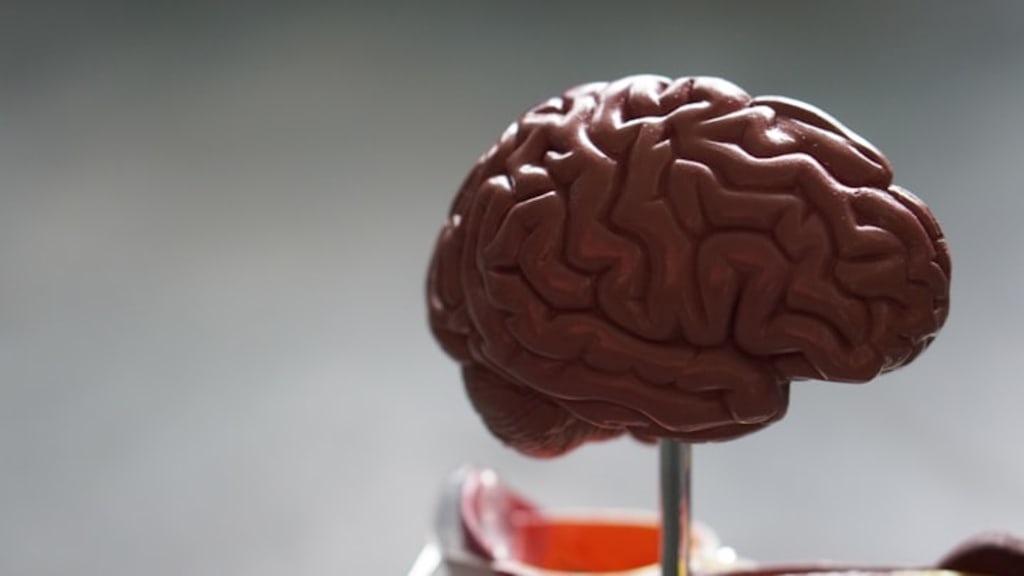
Neurologist Brain Myths
We just utilize 10 of our minds the greater the cerebrum the
more brilliant the animal. size doesn't make any difference you can't forestall a stroke.
Today we'll expose legends about the human cerebrum the greater
the cerebrum the more brilliant the animal, size really doesn't make any difference when it comes to the cerebrum since there are animals out there with greater cerebrums than us however most likely not as mind boggling your cerebrum not entirely settled by your body extent right so when you consider prefer a major earthy colored bear as such's greater than us their cerebrum will be greater however that doesn't be guaranteed to mean that they are more astute than us we don't know that without a doubt since it hasn't been completely concentrated yet that's what we've seen in occurrences, for example, chimpanzees they do possess more modest intellect yet we really do be aware for a reality that chimpanzees are likely as savvy as we are absolutely it's not the size of the cerebrum that is important yet most likely the way that perplexing it is and how well fostered specific regions are sure regions in people are for instance our language focuses are simply significantly more created than a cow or even a chimpanzee no doubt that is significant in deciding insight as opposed to the size itself and furthermore how would we measure insight that likewise becomes precarious since not every person is astute in the same way non-mental factors too assume a part like what's your social insight what's your personal knowledge all of that I believe is very complex and truly challenging to gauge level of intelligence tests are dependably an exact measure of knowledge so this is misleading there's such a lot of that goes into knowledge typical insight tests could gauge things like chief capability or arranging verbal abilities perusing abilities things like that
However, it's just a guess of what you can do and profoundly affected by the states of the test how you're feeling at the hour of the test your instructive level it'll be ideal to say that there's one test or one way that we can decide how smart somebody is yet, there's such a lot of that goes into insight that one test or even various tests can't quantify that very well so the famous level of intelligence test was created in the mid 1900s and it was a method for figuring out which french understudies were intellectually postponed so we could offer them better assets that got taken on in America at Stanford where for every one of the reasons brad spread out it doesn't take those things into account so I think in spite of the fact that it is great to say hello I'm savvy I excelled on an level of intelligence test truly don't imagine that implies an excessive amount of neither of us were conceived being specialists right we needed to learn and
foster those abilities under numerous long stretches of it is the to prepare I feel that training most ideal way to sort of get that going instruction comprehensively that could not essentially be school for everybody most certainly certain individuals are intellectuals some individuals are wonders it's truly hard to express out loud whatever establishes that they may be better at specific things yet not essentially great at others we are in general people we as a whole have unique gifts and various aptitudes for various things so level of intelligence tests simply kind of measure your knowledge in that one explicit region not how generally keen you are we just utilize 10 of our cerebrums so this isn't correct we all things considered utilize all of our mind not all of the time yet more often than not we're utilizing some level of her mind this legend came into fulfillment I think in the mid 1800s where individuals were attempting to sort out why harming various parts of the mind caused handicaps in individuals so a lot of therapists came up with the hypothesis that we just use around a modest amount of our minds versus individuals who are more intelligent who utilize all the more at this point we essentially realize that that isn't true we know that since we have something called a pet x-ray and a utilitarian x-ray concentrate on we have the cerebrum which we use for various purposes engine capability language capability leader working or arranging exercises behind that our parietal curve here which is our tactile cortex in the back of the mind we have the occipital curve which is our visual handling focus and afterward here as an afterthought we have the worldly curve which is associated with memory language understanding on the
left side so to give you a model if you are perusing something you're going
to involve your transient curves for appreciation you will utilize your cerebrums for appreciation you'll likewise be utilizing the rear of your head where your visual cortex sits since that is where data from your eyeballs travel and your body kind of figures out it that way and afterward additionally on the off chance that we dismantle the mind a tad we have our mind stem which is right here sort of our reptile cerebrum it's our crude cerebrum that controls things like degree of excitement relaxing breaths pulse circulatory strain individuals that are awesome at instruments like can play the piano frequently will hold those abilities certain individuals will see some evolving memory that is much of the time things like roundabout memory which is somewhat our memory of late occasions long winded recollections essentially like the who what where and when so where did I put my keys where did I leave my vehicle those sort of things do will generally decline and I think a ton of it is on the grounds that we simply aren't as engaged on things it's not really something special that is obsessive or recommends dementia as nervous system specialists are attempting to sort out various elements of the mind they found that the left side of our cerebrum and a great many people is prevailing for language verbal memory while the right cerebrum was significantly more of our visual spatial capabilities however there's no primary mind contrast in individuals who are more sensible or versus more imaginative rather it's more their climate how they were brought up in nervous system science when we discuss cerebrum hemispheric strength we regularly are discussing language and verbal memory predominance where does that live furthermore, for the vast majority that is on the left side of the mind so on the off chance that you're right-gave around 90 of the time you're going to be left half of the globe predominant and that implies a great deal of your memory and discourse creation and understanding appreciation that sort of stuff is going to sit on the left half of your cerebrum considered you can forestall a stroke how to do that is by tending to every one of the variables that could bring about a stroke we know obviously that things like hypertension smoking elevated cholesterol diabetes sadly increment your gamble for a stroke which is essentially when there's indication of blood stream going to your cerebrum in view of a blood coagulation.
DR BRAD KAMITAKI.
About the Creator
Daniella Amam
Stories that will definitely interest you
Enjoyed the story? Support the Creator.
Subscribe for free to receive all their stories in your feed.
Comments
There are no comments for this story
Be the first to respond and start the conversation.