
Blue Light - does fear have big eyes?
Does blue light demage our eyes?
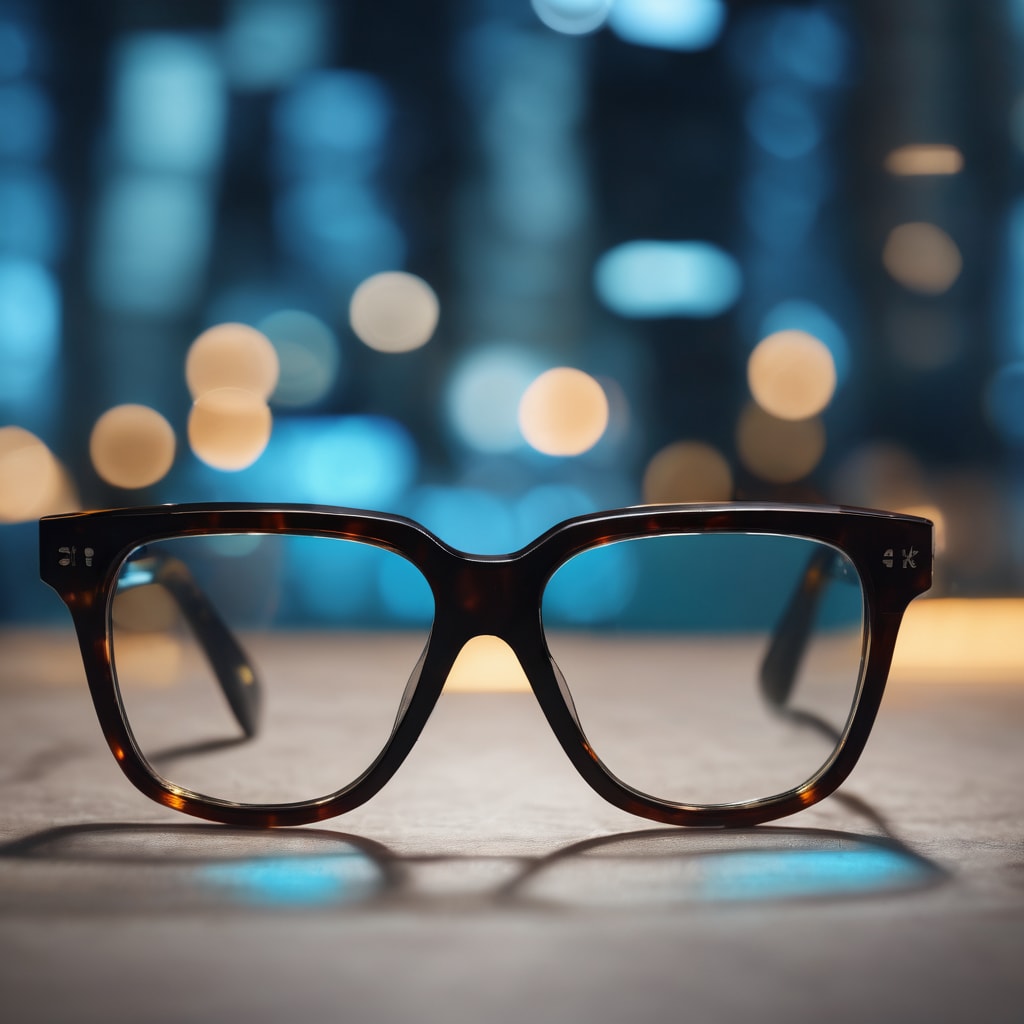
Nowadays, screens accompany most of us while working, studying at school or even for our pleasure and relaxation. The COVID-19 pandemic contributed to this even more by locking us at home and reorganizing work to a hybrid or remote mode. So we may wonder whether our eyes are safe with such exposure to blue light?
In 2018, a scientific article was published, after its publication it became loud in the media and they said blue light will harm the retina, which will contribute to permanent blindness. But what did the researchers actually check in this review? They took the cells and placed them in a petri dish, then exposed these cells to high, significant levels blue light and found that these cells were dying. This could cause fear among people using various types of screens such as computers, telephones or televisions, i.e. it could scare literally everyone.
However, let's take a closer look at this study. The cells used in the study were not eye cells, but cervical cancer cells. This gives us a different perspective because the human retina has pigments that have the ability to protect our eyes from the effects of blue light. The pigments responsible for this protection are called lutein and zeaxanthin. These serve as our natural blockers against blue light. Therefore, there is not enough confirmation that this blue light is harmful to your eyes. If this turned out to be true, we would be dealing with another pandemic - a pandemic of visual impairment.
As you can see, it is not just a matter of blue light emitted by computer or phone screens. However, we realize that this affects our rest and sleep this causes sleep deprivation because our circadian rhythm changes. So wearing computer glasses helps with light sensitivity and flashes, making you feel more comfortable while working or enjoying, for example, watching movies.Not all blue light blocking glasses work 100%. If you glance at your screen, you may see that you see blue, which means this filter is not blocking enough blue lights, maybe so excluding a specific lower rate maybe 30 to 40 percent. There are glasses available on the market that block most of the blue light you can't see the color blue at all. Using such glasses with appropriate filters makes sense when we have difficulty falling asleep, and, for example, we need to use the computer in the evening. Putting on such glasses takes two hours before bed, it actually does not make it difficult to rest, and the second thing is that when you are on the screen for a long time, you probably do not squint enough, causing dry eyes, which it puts additional burden on them. There are also apps and screen filters that help reduce the amount of blue light emitted to reduce the impact on sleep. The phenomenon of dry eyes is especially noticeable in air-conditioned or heated rooms where the air may be dry. To alleviate the effects of dry eyes when using a computer, it is recommended to take regular breaks during which you can distract yourself from the screen and concentrate on another task. Using lubricating eye drops can also provide relief from dry eye problems caused by prolonged computer use.
To sum up this article, blue light has no proven harmful effect on our eyes. However, limiting time spent in front of screens and using night mode or wearing appropriate protective glasses can be beneficial to sleep health and overall well-being. It may also be helpful to give up air conditioning and moisturize our eyes with special drops intended for this purpose.
About the Creator
Enjoyed the story? Support the Creator.
Subscribe for free to receive all their stories in your feed.
Comments
There are no comments for this story
Be the first to respond and start the conversation.