
10 ways to Survive wild animals
Ways to survive wild animals
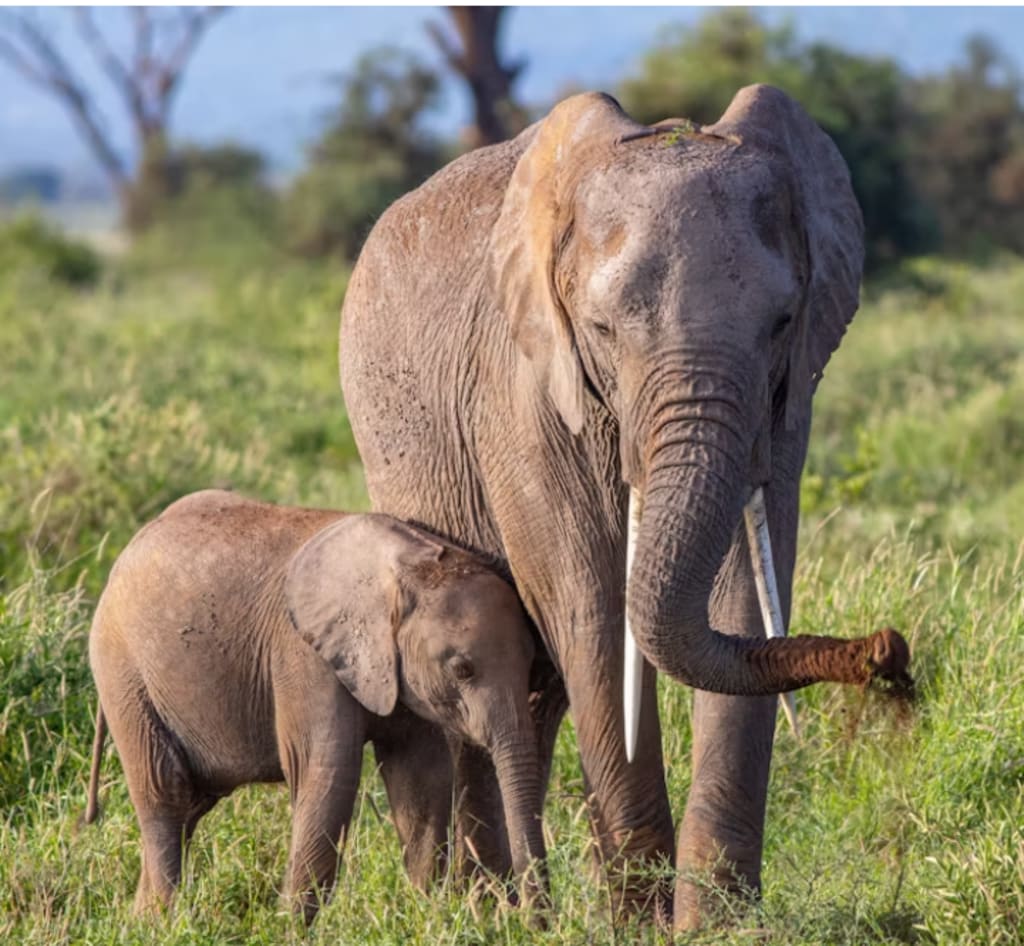
10 WAYS TO SURVIVE WILD ANIMALS Many wild animals can pose a threat to human safety, and some statistics may even make you fearful. Just six people are killed by sharks annually, despite their notoriously exaggerated reputation; wolves kill ten people annually; lions kill twenty-two people annually; and, get ready, elephants—cute, beautiful giants—kill more than five hundred people annually. To help you prepare for any situation you may find yourself in, we've gathered 13 ways. Crocodiles prove to be much more dangerous than sharks, resulting in about 1000 deaths annually, but the winner here is the snake, which claims the lives of 100,000 people. Hippopotamuses are tied with them in this terrifying competition. Number one is the sharks. The good news is that only 20 of the 150 species of sharks that exist on Earth attack people. The bad news is that if a shark becomes interested in you, it will be difficult to escape. Avoid attracting sharks by keeping blood or urine out of the water; sharks can smell these substances from a distance of several miles away. If you do come into contact with a predator, don't turn your back on it, especially don't try to flee in a panic because you will look like prey. Instead, move slowly and aim for the eyes and gills. Number two are the kangaroos, which may surprise you to know that they can be dangerous to people. However, this will only occur if you enter their territory and the animal senses danger. To prevent a confrontation, cough lightly and briefly. The kangaroo will interpret this as a sickness and probably won't attack you if you back away slowly. This will make you appear smaller and less dangerous. Remember that kangaroos are expert jumpers, so turning around and running will only agitate the animal. It will catch up to you in a matter of seconds. Number three is Lion. Talk to the lion in a reasonably loud and confident voice, make sounds, and gesture in ways that aren't typical for a victim. By doing this, you will confuse the predator and make it think that you are an annoying presence, which is better avoided. If you have encountered a lion, maintain eye contact, don't turn your back, and don't move your eyes away. This will give the predator the opportunity to attack. Try to look more massive to create such an impression. Lift your arms and jack it up if you look big and threatening. The forth is the rhinos. The only way to escape a rhinoceros is to hide behind a tree, which presents a significant obstacle to the animal and prevents it from following you through bushes or high grass. Because rhinoceroses have poor vision, it is easy to frighten and provoke them to attack. These animals can reach speeds of up to 37 mph. The fifth is the hippopotamus. Though they have a cute appearance, hippopotamuses can be very dangerous due to their weight and their ability to run at a speed of 18.5 miles per hour. They also have a flawed personality, and it's easy to enrage them in hot weather. The sixth is the Bulls. Contrary to popular belief, bulls react to movement rather than red or any other color. For this reason, if a bull is charging at you, stay upright and continue to use your hat, t-shirt, or other available clothing as bait. When the animal gets close enough, throw the object as far away from you as you can, and the bull will change course and follow it. The Seventh is jellyfish. A jellyfish burn causes a persistent, excruciating ache. Some people think that urinating on the burned area will ease the pain, but this is only an urban myth. After the burn, washing the area with salt water will only make it worse. Number Eight: Alligators and crocodiles. These animals have the strongest jaws on the planet, so breaking free from their hold won't be easy. If you've been grabbed, hit the animal in the eyes or throat, as these are their most vulnerable spots. If you notice the predator crawling toward you on the ground, make as much noise as you can and flee in a zigzag pattern. When is the best time to run and yell? When swimming, avoid making splashes or yelling at crocodiles as this will attract unwelcome attention. Instead, keep your mouth shut and move on. number nine is the alligators or crocodiles. The jaws of these animals are the strongest on the planet in this case breaking free won't be a piece of cake if you've been grabbed hit the eyes the eyes and the throat of these animals are their most sensitive areas to make the animal let you go aim at them if you notice that the predator is crawling toward you on the ground make as much noise as possible run in a zigzag this is exactly the situation when to run and shout is the best solution if you see a crocodile while swimming don't create splashes don't shout it will draw the unwanted attention try to be as quiet as you can and swim away Lastly are the snakes. If you notice a snake is following you, stomp your feet; this will confuse it and let you go. If you have been bitten, don't try to extract the poison from the wound like they do in the movies; instead, wash the bite with running water, apply a tourniquet, and call for emergency help. Most snakes are neither dangerous nor poisonous, but people get 80 percent of their bites while trying to catch these reptiles. now you will be able to protect yourself in the wilderness please share this article, it will save somebody's life.
About the Creator
Enjoyed the story? Support the Creator.
Subscribe for free to receive all their stories in your feed.
Comments
There are no comments for this story
Be the first to respond and start the conversation.