
The Mystery of The SS Ourang Medan: The Ghost Ship That Killed Its Crew for No Reason
In 1947, a distress signal was received from the SS Ourang Medan in the Strait of Malacca. It ended with two words in Morse code: "I die." When rescuers boarded the ship, they found every crew member dead with faces frozen in terror. The cause of death was never identified.

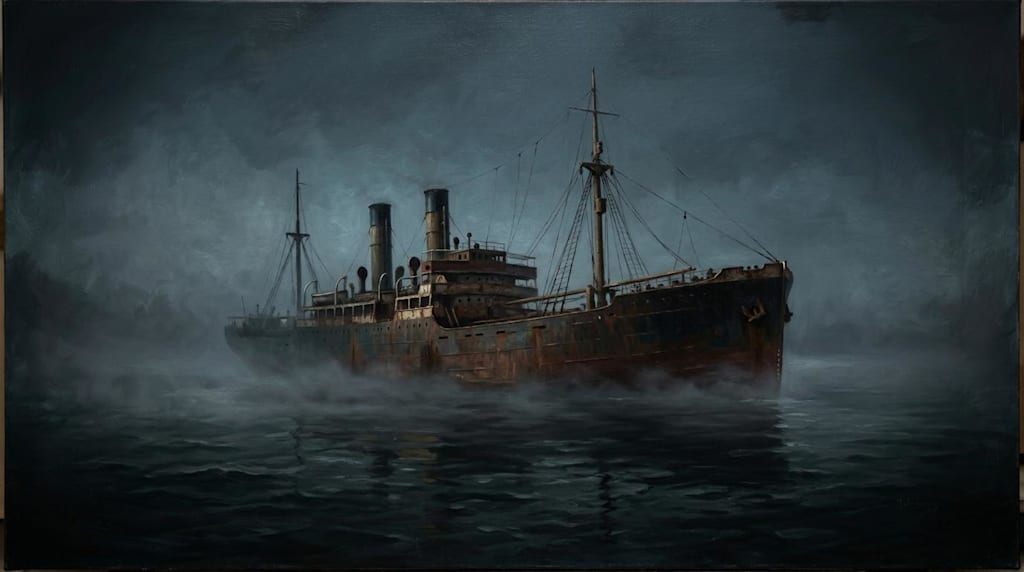
February 1947: Somewhere in the Strait of Malacca:
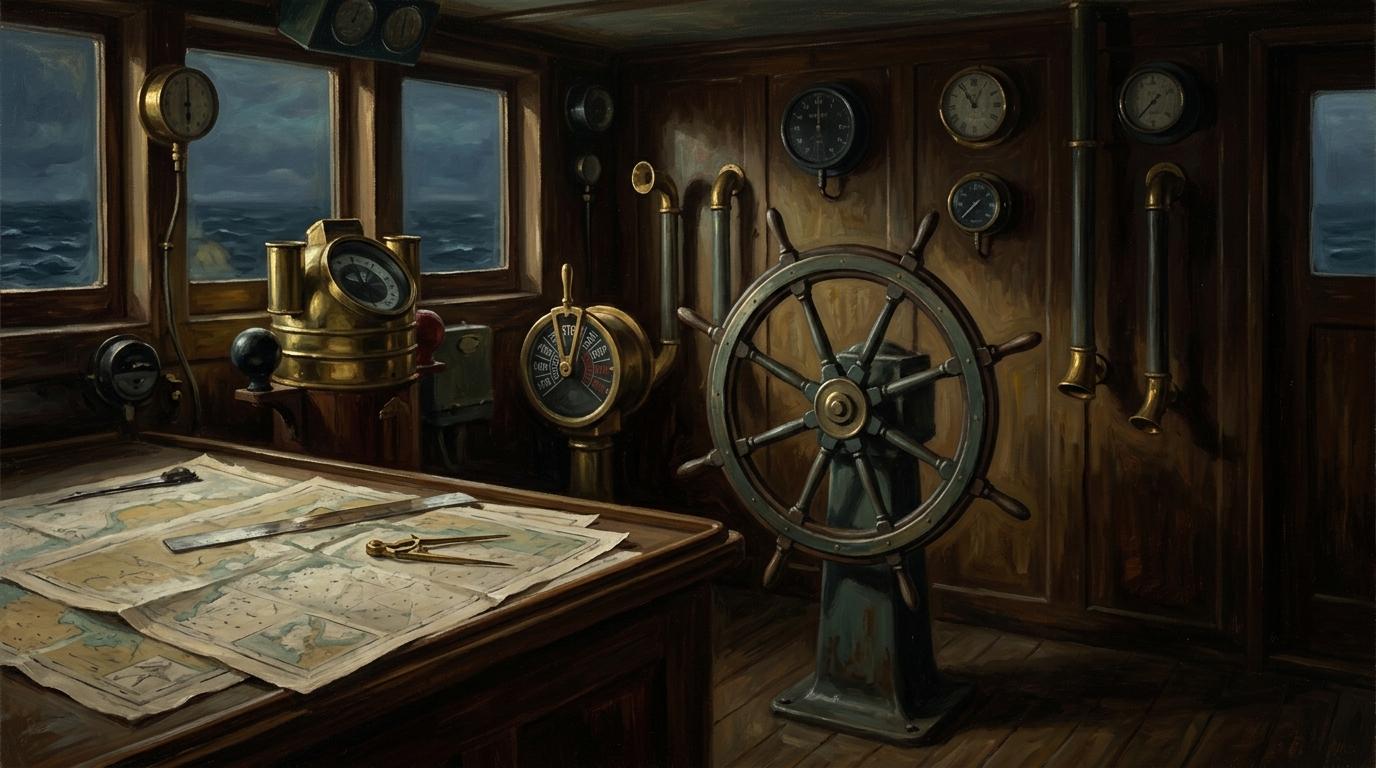
The radio operator on the Silver Star picks up a fragmented transmission. He writes down what he can make out: All of the officers, including the captain, are dead and lying in the chartroom and on the bridge. The entire crew may be dead.
He waits for more.
What comes next are not words. It is Morse code: Dots and dashes form two words before the signal dies completely.
"I die."
Then, silence.
The SS Ourang Medan: Every Crew Member Found Dead at Their Post
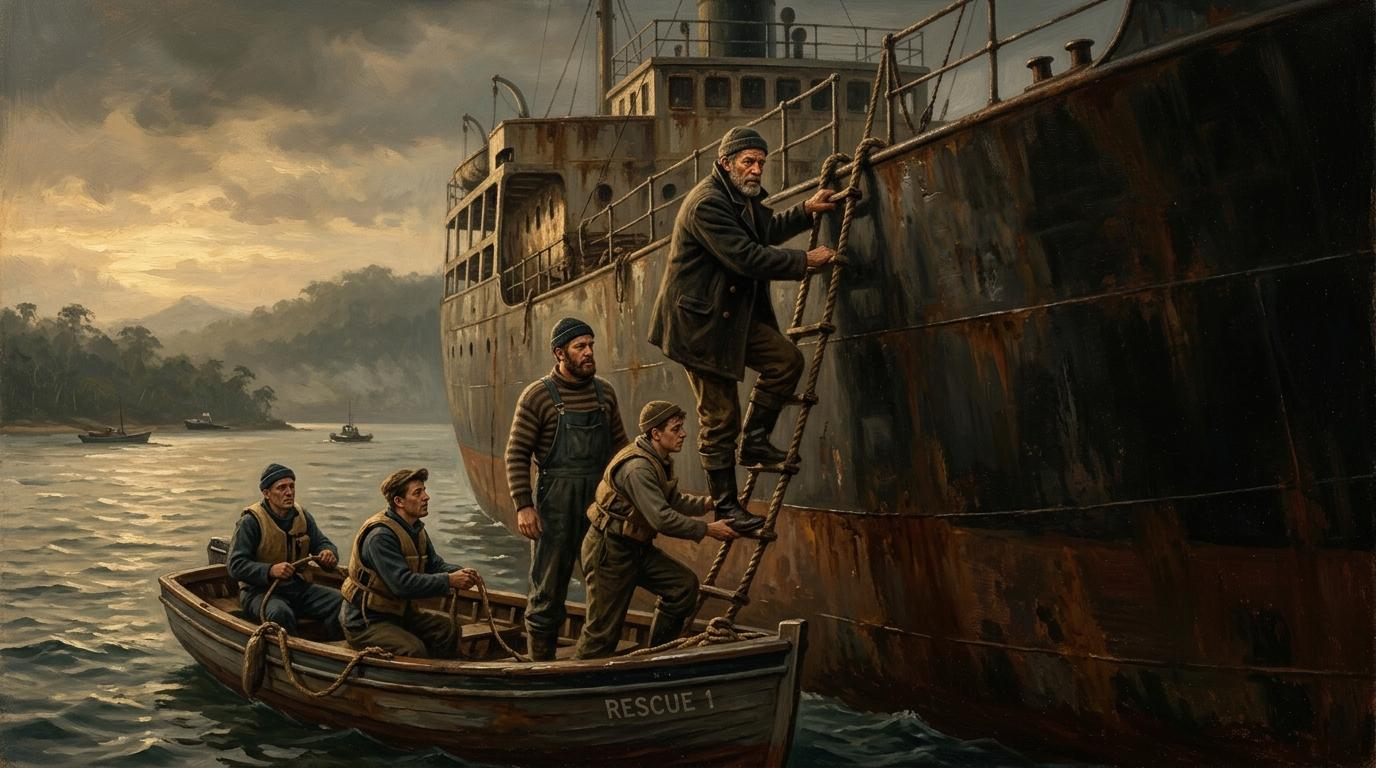
The Silver Star was the first to reach the drifting vessel.
There was no fire. There was no visible damage. There was no sign of a collision. The hull was intact. From the outside, the SS Ourang Medan appeared to be a ship that had simply stopped.
The boarding party found the crew where the transmission said they would be: Dead. Every one of them. The captain was on the bridge. Officers were found in the chartroom. The cook was found in the galley. A dog was dead on deck. They were all found in the positions where they had been standing or working, as if death had arrived between one breath and the next.
The mystery of the ghost ship SS Ourang Medan has never been solved: an entire crew was killed, yet there was no physical evidence of the cause of death.
But it was the crew's faces that the rescue party could not stop talking about afterward.
Every face was frozen in an expression of absolute terror. Eyes open. Mouths open. In some cases, their arms were raised as if each man had died trying to ward something off.
The Chemical Theory Fails to Explain the Faces
Investigators concluded that the crew was likely killed by a leaking cargo of undeclared toxic chemicals, possibly including potassium cyanide or nitroglycerin.
However, this explanation cannot account for everything.
Toxic gas kills. It does not freeze faces in expressions of terror. Cyanide poisoning produces convulsions and unconsciousness. It does not leave men standing at their posts with their eyes wide open and their arms raised in postures of active fear.
The chemical theory also requires an undeclared, illegal cargo. There is no manifest. There are no records. The ship, which could have confirmed or refuted the theory, caught fire as the rescue party prepared to tow it to port and sank before further examination could be conducted.
The evidence destroyed itself at the most convenient possible moment.
Three Explanations. None of Them Work.
The chemical cargo theory is the most rational. It requires illegal shipping, a convenient fire, and a complete absence of documentation, but it is physically possible.
The second theory involves infrasound, which are low-frequency sound waves below the range of human hearing. They are produced by certain engine configurations or atmospheric conditions and can cause panic, disorientation, and, in extreme cases, organ failure. Infrasound leaves no marks. It cannot be detected after the fact.
The third theory is one that researchers mention in passing and then back away from. It suggests that the crew of the Ourang Medan encountered something in the Strait of Malacca that cannot be categorized within any official investigative framework.
The SS Ourang Medan remains one of the most disturbing, unexplained maritime disasters on record, not because of what was found on board but because of what was not. No cause. No explanation. No record.
The Ship That Does Not Exist in Any Registry
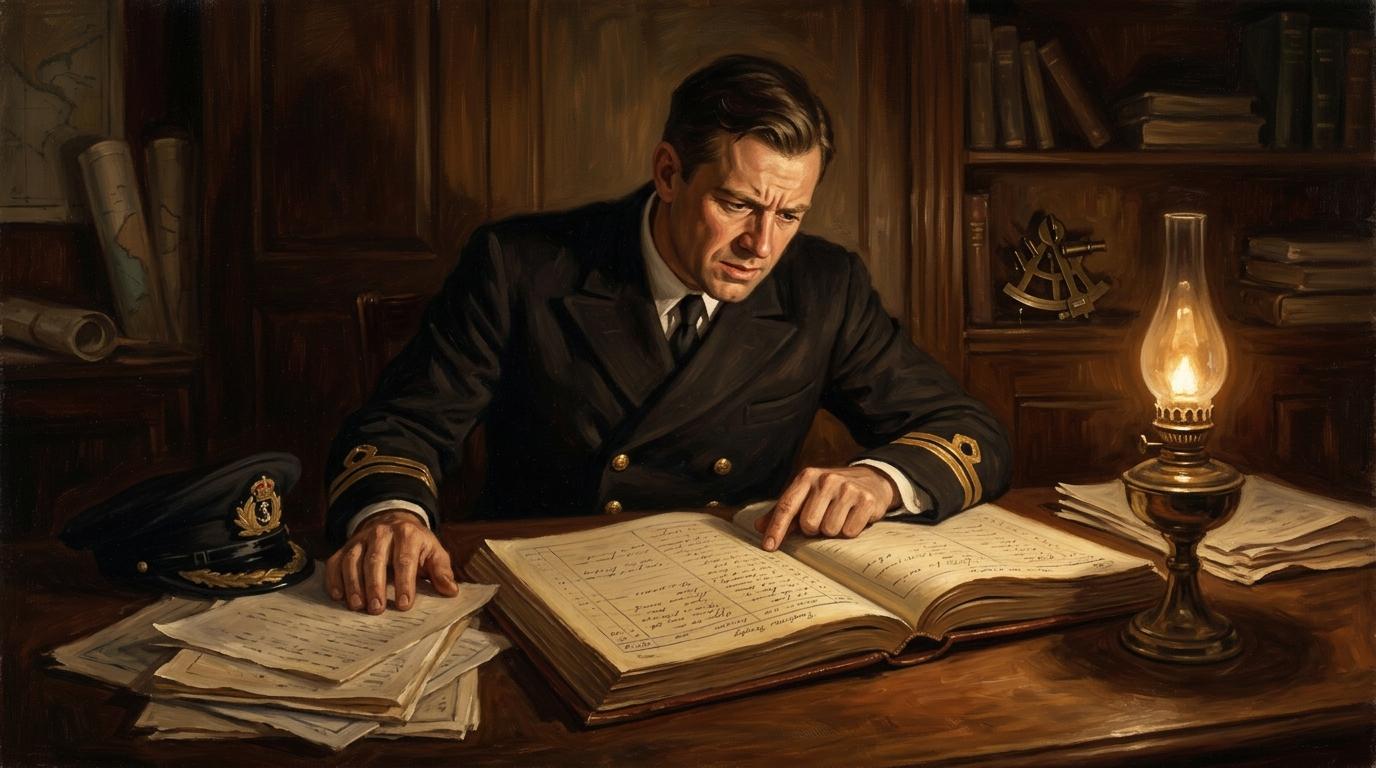
The SS Ourang Medan is not listed in the relevant period of the Lloyd's Register of Ships.
Lloyd's Register is one of the most comprehensive maritime records in existence. A Dutch freighter operating commercial routes through the Strait of Malacca in 1947 should be listed in it.
It is not.
Three explanations exist. First, the ship may have operated under a different name. Two, it operated illegally and was deliberately kept off official records. Or, the entire incident—the distress call, the boarding, the dead crew, and the fire—was fabricated or misreported.
Each explanation is more disturbing than the last.
If the incident was real, then something killed the entire crew and left no evidence.
If it wasn't real, then someone went to great lengths to fabricate it.
Terror. That Is the Only Word Every Witness Used.
Experienced maritime investigators agree on one thing: the expressions on the faces of the crew of the Ourang Medan are inconsistent with any known cause of death.
Drowning does not look like that. Neither does poisoning. Heart failure does not look like that.
Every account uses the same word: terror. Terror.
Whatever the crew saw in their final moments, they took it with them when the ship sank.
Today, the Strait of Malacca carries hundreds of vessels along the same shipping lanes every week.
The last transmission ended with a single pronoun:
I, not we. Not the crew. One person. Still alive. Still at the radio. They were there long enough to know what was coming.
But not long enough to explain it.
If you were the last one left on that bridge, what would you have done differently?
If this case disturbed you, similar investigations are waiting:
— The Man on the Beach Had No Name, No Past, and One Impossible Clue — The 15 Minutes That Erased a Family: The Sodder Children Disappearance
Follow the channel for more: Chronicle and Void
About the Creator
Chronicle and Void
Every collapse has a cover story. Every war has a cause that didn't make it into the history books. History is not an accurate record of what happened. It's a record of what they allowed to survive.
Enjoyed the story? Support the Creator.
Subscribe for free to receive all their stories in your feed.
Comments
There are no comments for this story
Be the first to respond and start the conversation.