
The Man on the Beach Had No Name, No Past, and Only One Impossible Clue
One December morning in 1948, a dead man was found on an Australian beach. Seventy-seven years later, his identity remains unknown.

When you think of unsolved mysteries, you probably think of missing persons, cold cases, and bodies that were never found.
This is the opposite problem.
The body was found. It has been studied for nearly eighty years. Forensic experts, intelligence agencies, amateur investigators, and university researchers have examined the evidence.
Yet nobody knows who he was.
A Tuesday morning. A Perfect Corpse.
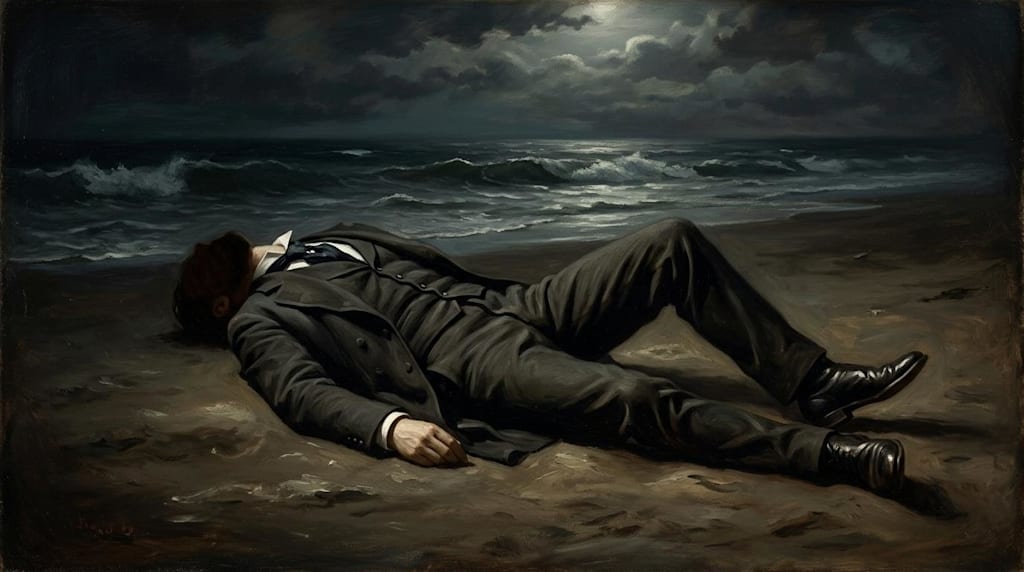
On December 1, 1948, a man was found lying on Somerton Beach near Adelaide in South Australia. He was well-dressed in brown trousers, a white shirt, and a red and blue striped tie. His shoes were polished. There were no signs of a struggle on his body.
He looked like a man who had simply decided to lie down and die.
He appeared to be around forty to forty-five years old. He was in excellent physical condition — muscular and fit with unusually developed calf muscles, which one pathologist later said were consistent with those of a dancer or someone who spends long periods on the balls of their feet.
There were no identifying documents on his body. No wallet. No keys. The labels had been removed from all his clothing.
Every single one.
The cause of death was determined to be heart failure, likely induced by an undetected poison. However, no poison was ever identified.
What They Found in His Pocket
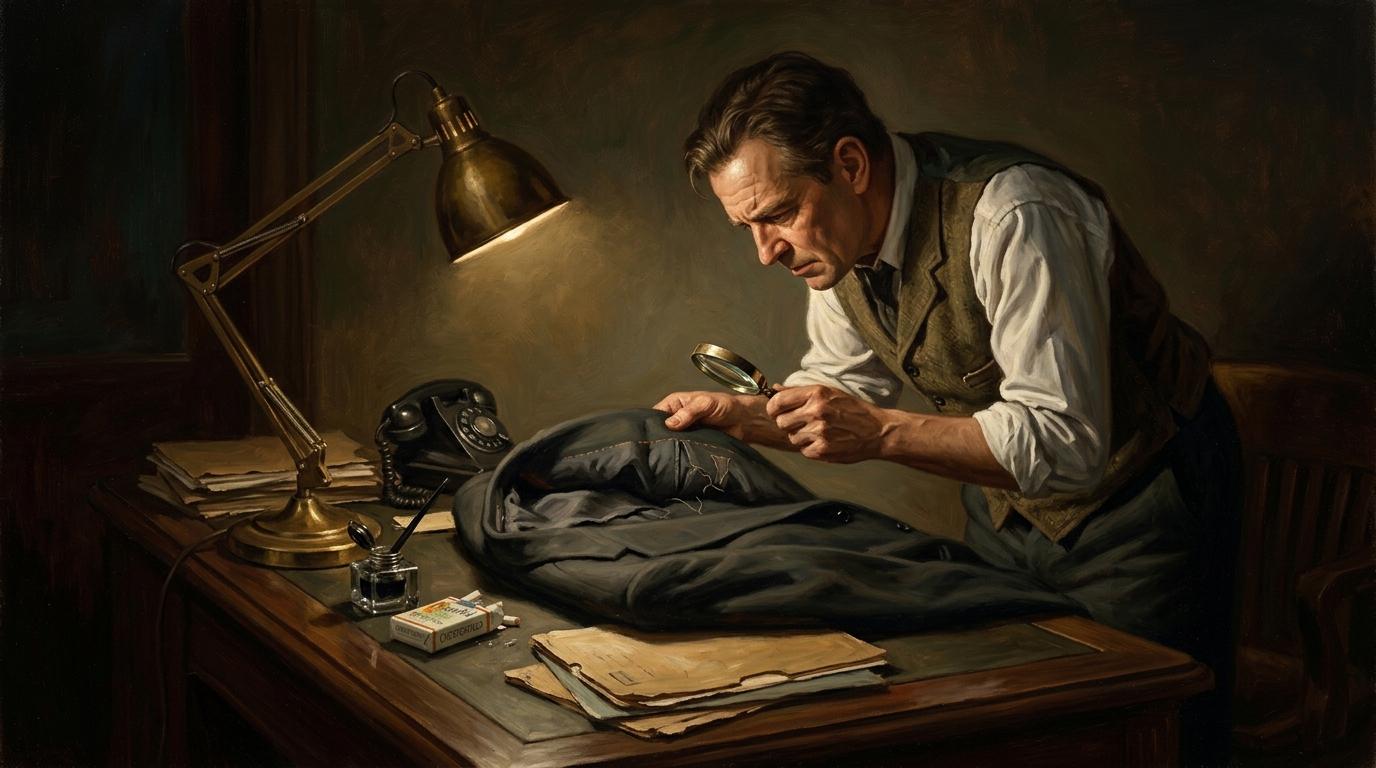
Three months after the body was discovered, a small hidden pocket was found sewn inside the waistband of his trousers.
Inside was a small piece of paper torn from a book.
Two words were printed on it in Persian script:
Tamam Shud.
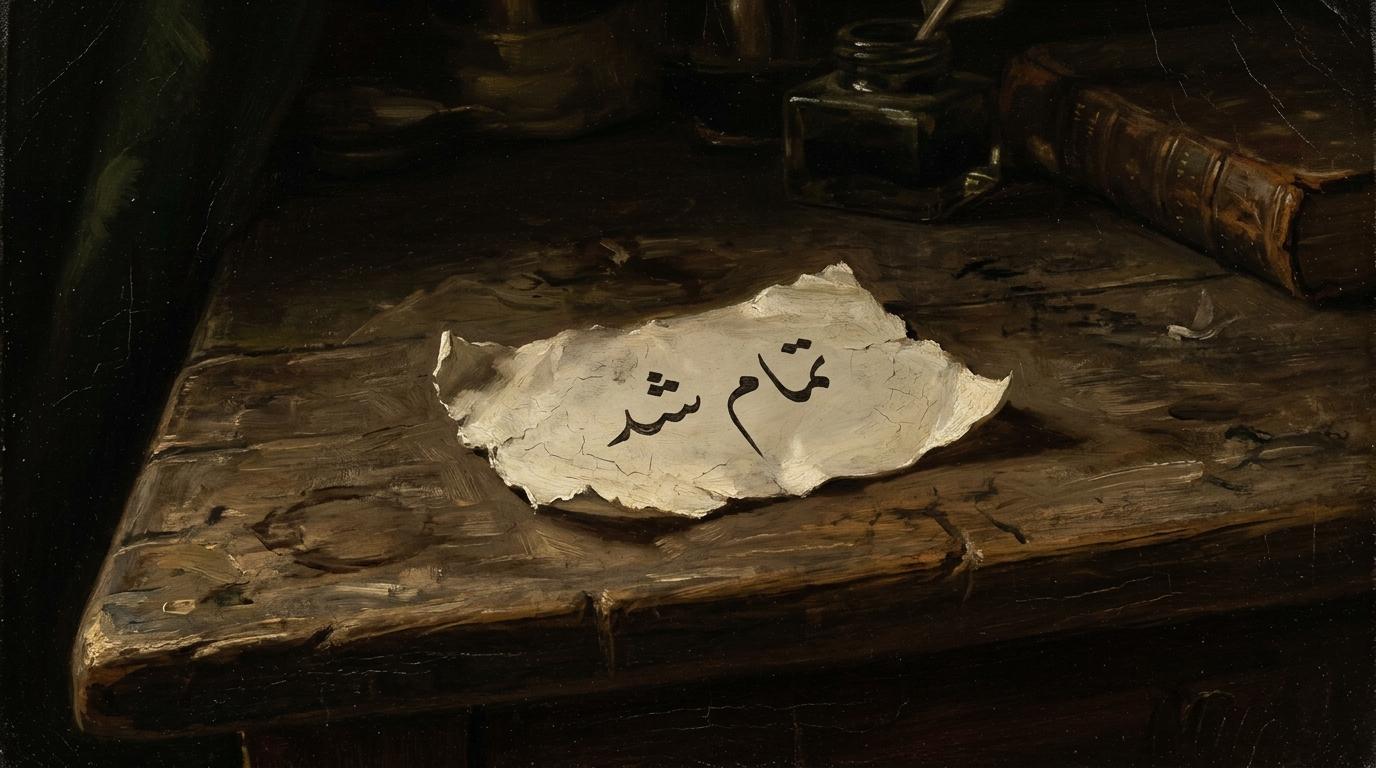
It means "ended" or "finished." It is the final line of The Rubaiyat of Omar Khayyam, a 12th-century Persian poem about fate, mortality, and acceptance of death.
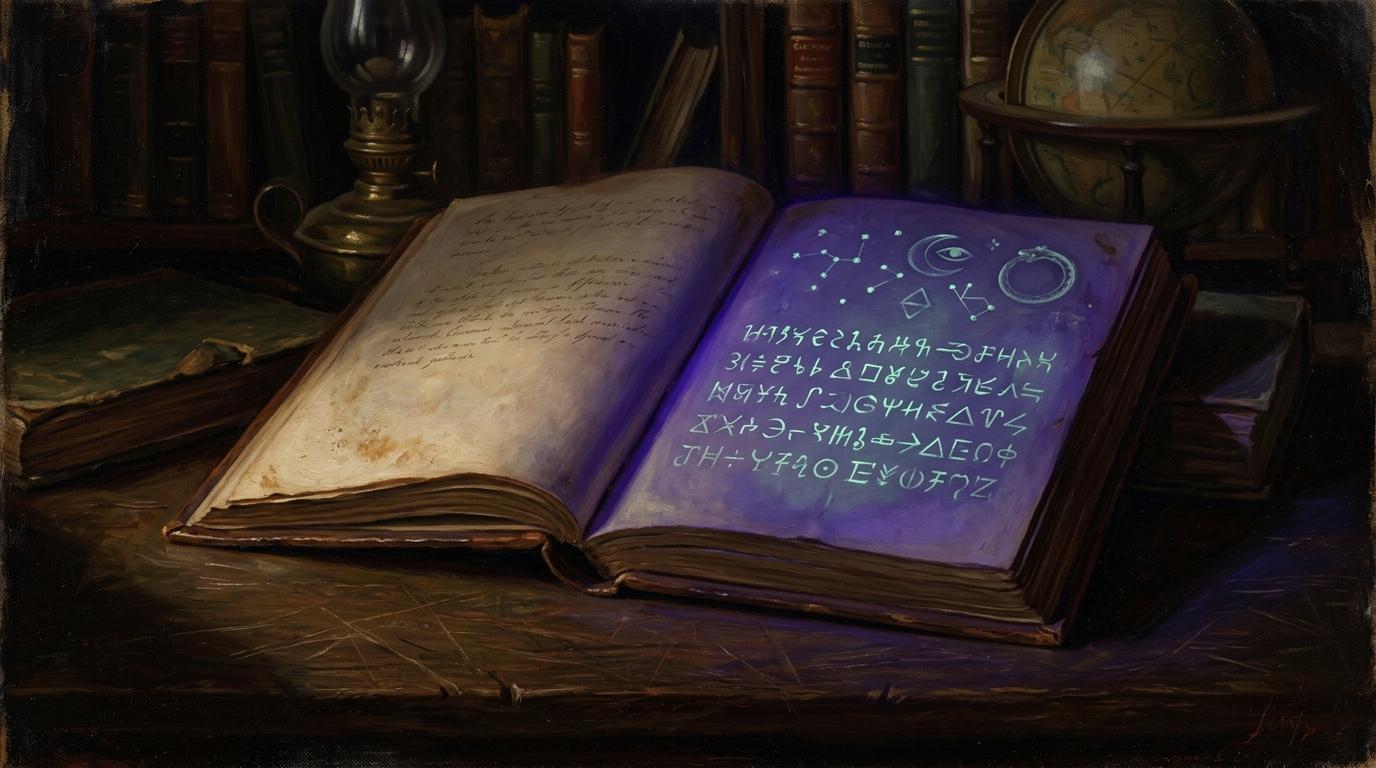
Police traced the torn piece of paper back to a copy of The Rubaiyat that had been thrown into an unlocked car near the beach around the time the man died. Under ultraviolet light, investigators found something written and then erased inside the back cover of that book.
Five lines of letters. No spaces. There was no pattern that any cryptographer has ever been able to decode.
It was not a known cipher. It did not resemble any language. It has never been broken.
Three theories. None of them are comfortable.
The spy theory is the one that most investigators reach for first. The Cold War was just beginning. Adelaide was home to significant military infrastructure. The removed clothing labels, undetectable poison, unbreakable code, and physical conditioning all fit the profile of an intelligence operative who had either completed his mission or been terminated by his own side.
Both types of death are documented for that era. Neither was investigated thoroughly.
The suicide theory posits that the man deliberately chose his own death on his own terms, using the last line of a poem about acceptance as his final statement. The Rubaiyat was not a random choice. Someone who tears out two specific lines from a poem and carries them in a hidden pocket has thought carefully about what they mean.
The third theory is the one that nobody likes to say out loud. It suggests that the man was not from a place that would have generated a paper trail. The removal of labels, the absence of documents, the unidentifiable poison, and the unbreakable code are not the work of a spy agency.
They are the work of someone who did not want to be found under any circumstances.
And he has not been found.
What the Investigation Actually Found
In 2022, a team from the University of Adelaide used DNA analysis and genealogical research to identify a potential match: Carl "Charles" Webb, an electrical engineer from Melbourne, who disappeared from his family's records around the same time.
This identification has not yet been officially confirmed.
Webb's family has not publicly responded.
The code in the back of the Rubaiyat remains unsolved.
The poison has not yet been identified.
The hidden pocket remains unexplained.
On the night of November 30, 1948, a man walked onto a beach in Adelaide, lay down in his polished shoes and carefully unlabeled clothes, and arranged himself neatly on the sand.
He had one item in his pocket that said everything and explained nothing:
Tamam Shud.
Finished.
Whatever it was, it was finished.
The question that has gone unanswered for seventy-seven years is what it was.
If you found this worth reading, you might also enjoy:
— The Dyatlov Pass: Nine Hikers. One Night. No Explanation.
— The Perfect Heist That Broke the King: The Mystery of the Templar Treasure.
About the Creator
Chronicle and Void
Every collapse has a cover story. Every war has a cause that didn't make it into the history books. History is not an accurate record of what happened. It's a record of what they allowed to survive.
Enjoyed the story? Support the Creator.
Subscribe for free to receive all their stories in your feed.
Comments
There are no comments for this story
Be the first to respond and start the conversation.