
The Frederick Valentich Disappearance: The Pilot Who Narrated His Own Vanishing
The recording from the Bass Strait has been public for 47 years. Frederick Valentich never raised his voice, asked for help, or sounded afraid. This is the part that has never been explained.

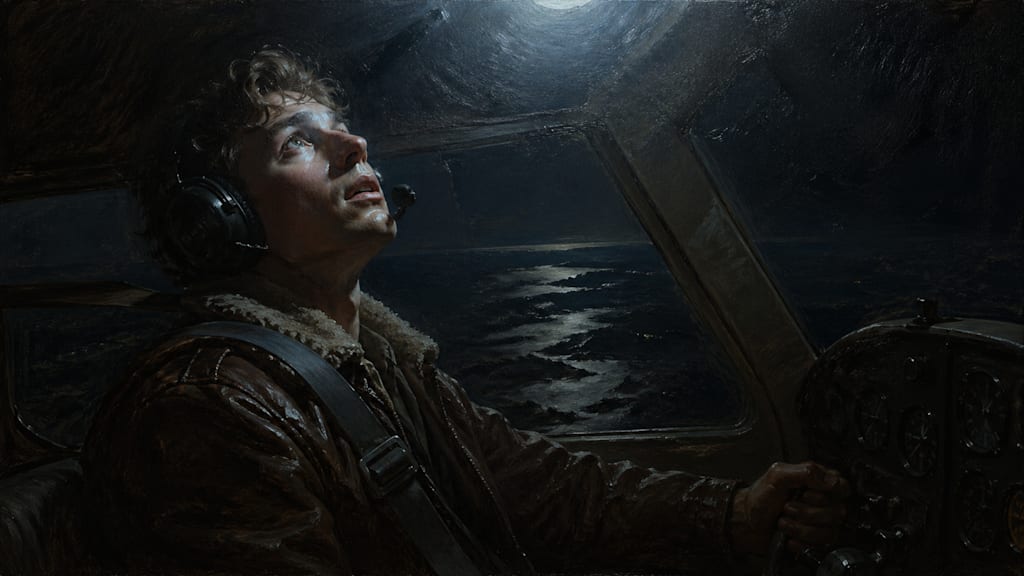
On October 21, 1978, at 7:06 p.m., a twenty-year-old pilot pressed his transmit button over Bass Strait and began describing an object above his aircraft.
He remained calm. He stayed calm. For seventeen minutes and forty-seven seconds, Frederick Valentich spoke to Melbourne air traffic control in a steady, unhurried manner, like a pilot reporting routine weather conditions.
Then, a metallic scraping sound came through.
And then — silence.
The Valentich disappearance has been investigated, debated, and documented for nearly five decades. UFO researchers cite it as one of the most credible pilot encounters on record. Australian aviation authorities declared the case "presumed fatal — cause unknown." Acoustic engineers, linguists, and investigators across three continents have analyzed the recording.
Yet almost none of them have examined the man behind the microphone closely.
What the Documentaries Don't Say
At the time he climbed into the Cessna VH-DSJ, Frederick Valentich was not a competent pilot.
He had logged only about 150 hours of flight time. He had applied twice to join the Royal Australian Air Force and been rejected both times due to his inadequate educational qualifications. He enrolled in a commercial pilot program and failed all five exams. Twice. In the month before October 21, he failed three more subjects.
At the time of his disappearance, he was facing prosecution for two separate incidents involving deliberate flight into clouds, a serious violation by any standard.
His flight instructor consistently assessed him as a pilot who believed in his own abilities more than his performance justified.
Six days before the flight, Valentich told his girlfriend, Rhonda Rushton, that he was worried about being abducted by a UFO. His father, Guido, later confirmed that this was not a passing interest. Frederick had been obsessed with the subject for years.
Eleven months before October 21, Close Encounters of the Third Kind was released in Australian cinemas. It was one of the year's highest-grossing films. It was particularly popular among young men who believed in extraterrestrial contact. It was particularly popular among amateur pilots. People exactly like Frederick Valentich.
Researchers who later analyzed the radio transcript noted something that received almost no coverage: the phrasing, rhythm, and description of the object's behavior closely echoed the dialogue from a key scene in the film.
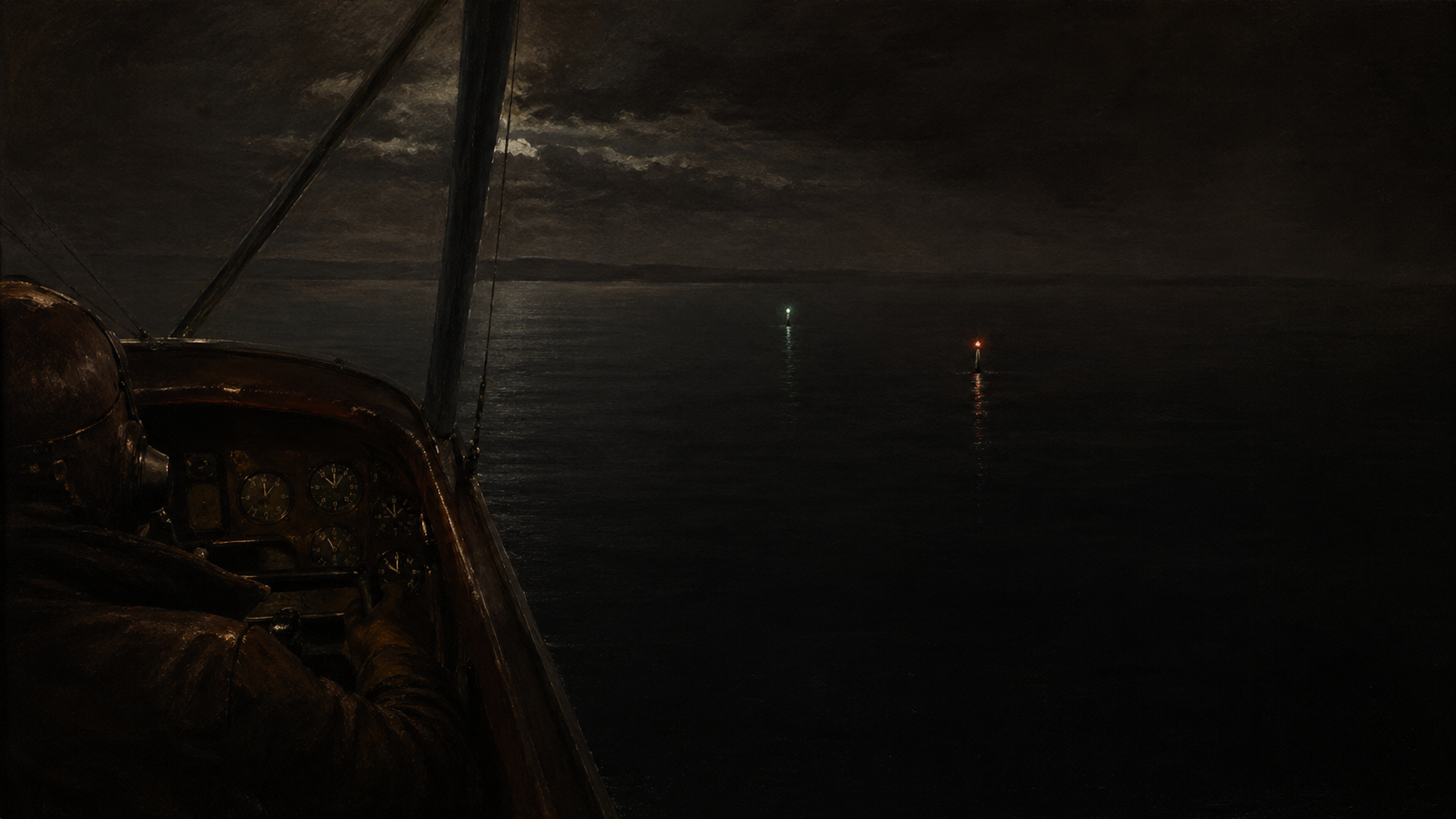
The Transcript
Steve Robey, a controller at Melbourne Air Traffic Control in Tullamarine, took the call. He transcribed every word in real time. Valentich knew he was doing so. All licensed pilots know how radio communications work.
Valentich reported a large aircraft above him that was moving fast. Then it was gone. Then it was back. Then it was orbiting. Then, his engine began running rough. After a pause, he said: "It's not an aircraft."
Then came the scraping sound.
Then, the line went dead.
Robey later described the call as unlike anything he had experienced before. Not because of the content, though. It was the tone that stood out.
Valentich did not sound like a pilot in distress.
Rather, he sounded like a man delivering a prepared statement to someone he knew would take notes.
The Numbers That Don't Add Up
The Australian Department of Transport conducted a formal investigation. The conclusions of the investigation and the subsequent private correspondence contain details that rarely appear in documentaries.
At no point during Valentich's flight was his aircraft confirmed on radar near Cape Otway, which is where he said he was when he called Melbourne. Conditions that evening were clear. There was no technical explanation for the absence of his aircraft on radar.
The aircraft was simply not where he said it was.
The Cessna 182L had enough fuel for approximately 800 kilometers. King Island, his stated destination, was only 125 nautical miles away — roughly one-sixth of the Cessna's range.
The reason he gave for the flight changed depending on whom he spoke with. He told flight officials he was picking up friends from King Island. He told others he was picking up crayfish. However, investigators found no friends waiting on King Island. There was no crayfish order. There were no confirmed arrangements of any kind.
That same evening, Melbourne police received reports of a light aircraft making an unscheduled landing in a field near Cape Otway. The timing of this landing matched Valentich's last transmission almost exactly. However, no follow-up investigation was completed.
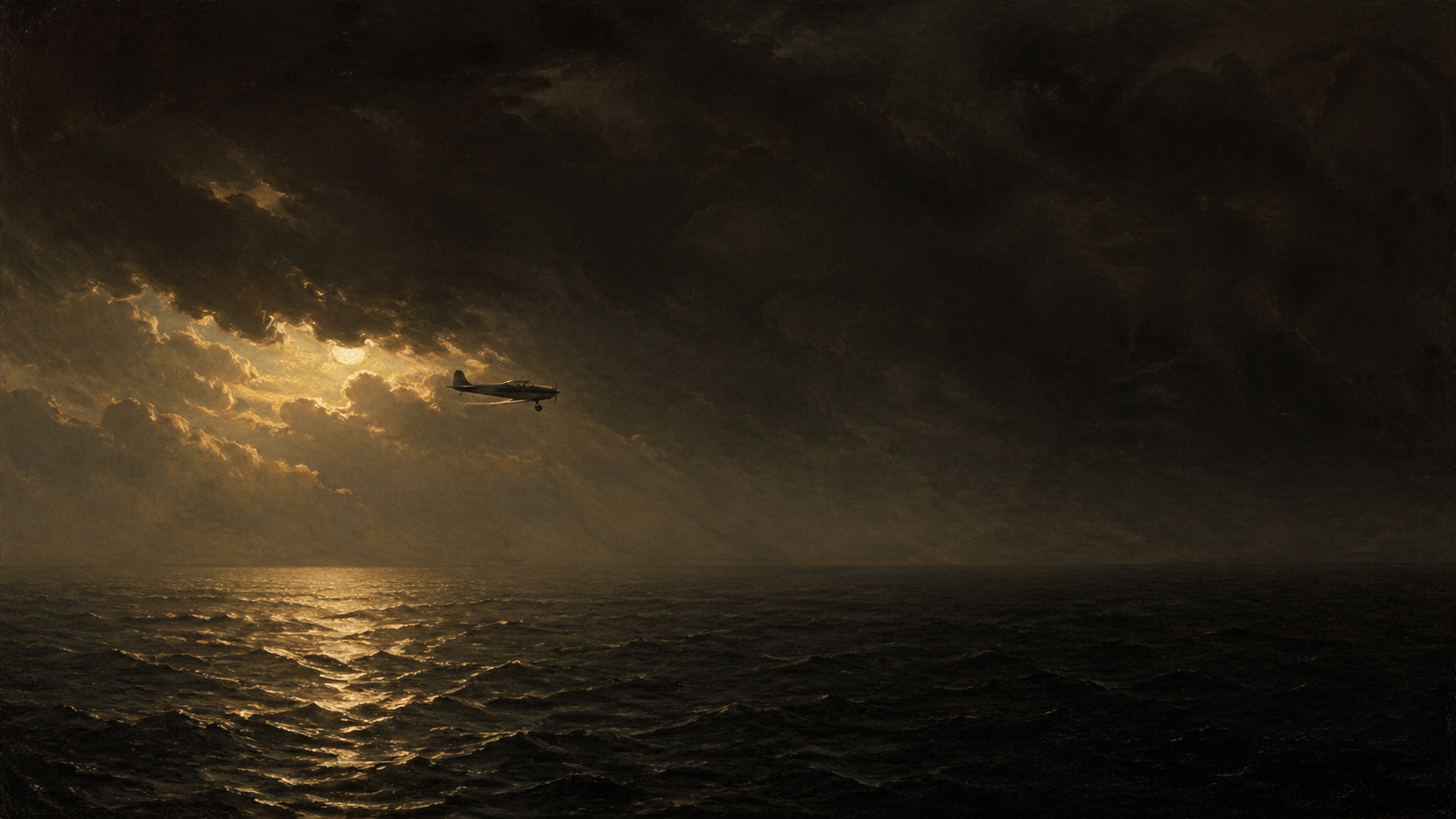
Three Versions. One Recording.
The official finding of "presumed fatal, cause unknown" is not a conclusion. Rather, it is the formal acknowledgment that no conclusion was reached.
Most aviation investigators privately favor the first version. Valentich became spatially disoriented over dark water at night, which is a well-documented hazard for low-hour pilots. Flying inverted without realizing it, he mistook the reflection of his own navigation lights on the water below for an aircraft above. His engine faltered due to fuel starvation caused by his inverted attitude. He crashed. The metallic sound was the impact. Currents took the rest.
In July 1983, five years after the disappearance, a flap from the engine cowl of a Cessna 182 — within the serial number range that included VH-DSJ — washed ashore on Flinders Island. Just one component. From an aircraft weighing over 1,100 kilograms. After five years in open water.
The second version starts with the fuel. It had an eight-hundred-kilometer range. A man with a failing career, pending prosecution, and no confirmed reason to be where he said he was. Six days earlier, he had spoken about being taken. He understood that a calm, detailed radio transmission pointing skyward would become the entire story. Melbourne police confirmed the unscheduled landing near Cape Otway. Nobody followed up on it.
The third version requires no elaboration. It has its own archive, researchers, and photograph. Taken that same night, miles away by a separate witness, the photograph shows what image analysts later described as a solid, reflective object approximately 21 meters across.
The photograph has never been definitively explained.
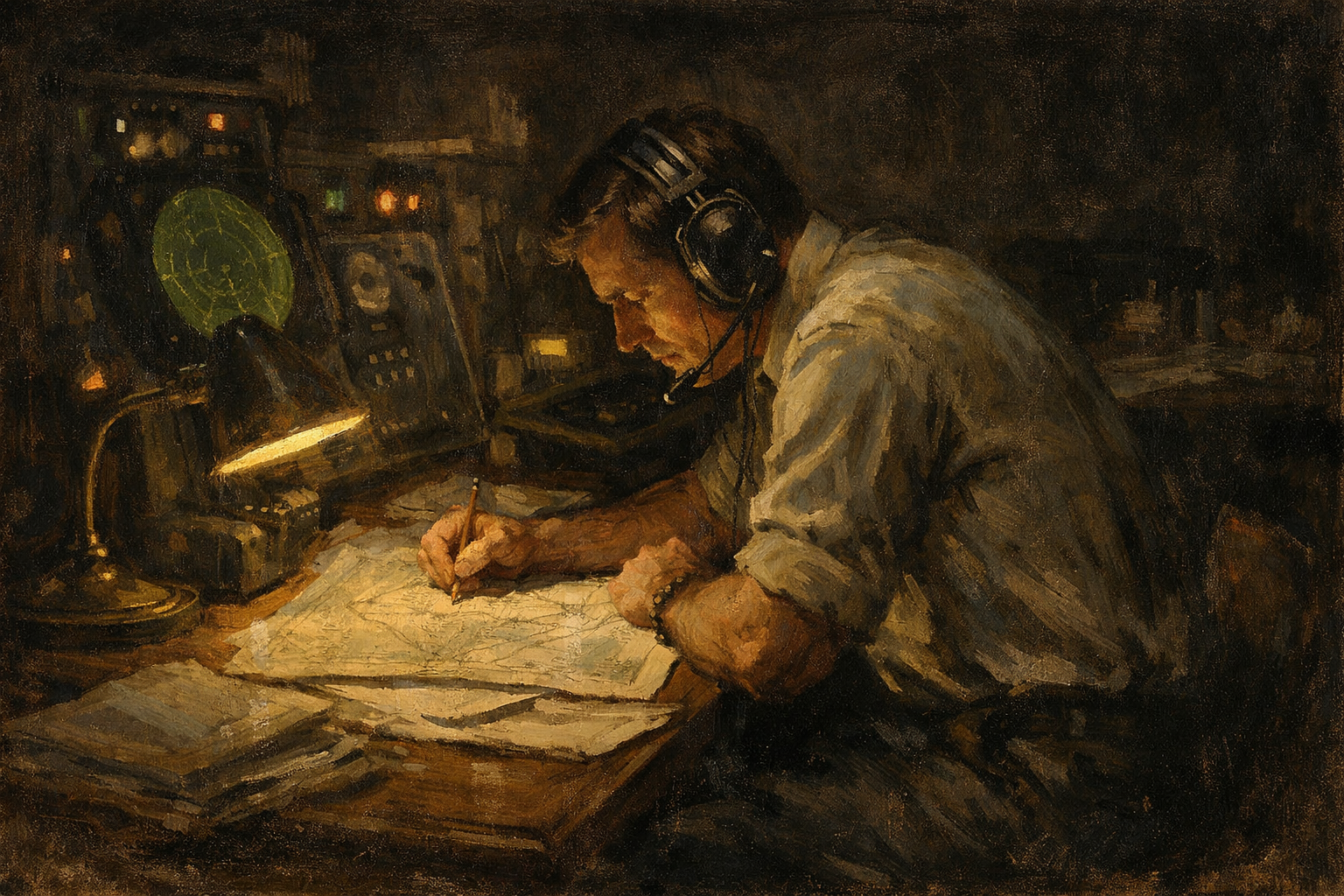
What He Knew
The Department of Transportation's private letter, filed separately from its official report and made public years later, described Valentich in terms that his supporters found devastating. "Poor academic record." A pattern of poor judgment. There was a consistent gap between his stated abilities and his demonstrated ones.
That letter was not released. The photograph was.
On the afternoon of October 21, 1978, Frederick Valentich filed his flight plan at Moorabbin Airport. He took off at 6:19 p.m. He was flying a route for which he had no confirmed reason, to a destination where nobody was waiting, in an aircraft that never appeared on radar at the location he said it was.
At 7:06 p.m., he opened the line and began to speak.
He spoke for seventeen minutes and forty-seven seconds.
He never raised his voice.
The recording is available online. You can listen to it tonight. You will hear a young man steadily and methodically describe something extraordinary without sounding panicked, hesitant, or unsure of what comes next.
This is either the clearest evidence of something unexplained over Bass Strait, or it is a performance.
Or it is a performance.
The case remains open. The cause is still unknown.
Steve Robey wrote down every word.
If this investigation interested you, you might also find these compelling:
— The Mystery of The SS Ourang Medan: The Ghost Ship That Killed Its Crew for No Reason
— The Man on the Beach Had No Name, No Past, and Only One Impossible Clue
For announcements: Telegram · Twitter/X
About the Creator
Chronicle and Void
Every collapse has a cover story. Every war has a cause that didn't make it into the history books. History is not an accurate record of what happened. It's a record of what they allowed to survive.
Enjoyed the story? Support the Creator.
Subscribe for free to receive all their stories in your feed.
Comments
There are no comments for this story
Be the first to respond and start the conversation.