fiction
Horror fiction that delivers on its promise to scare, startle, frighten and unsettle. These stories are fake, but the shivers down your spine won't be.
Heavely Seas Chapter Sixteen. Top Story - November 2025.
Her boy… her youngest referred to Elodie as Lady Figgs. The deep tone from Heath alarmed her. What brought this on? Heath had difficulty expressing emotions towards things that held no interest to him, but he never called Elodie “Lady Figgs” before.
By Chloe Gilholy11 months ago in Horror
Carnival: Alice In Darkness
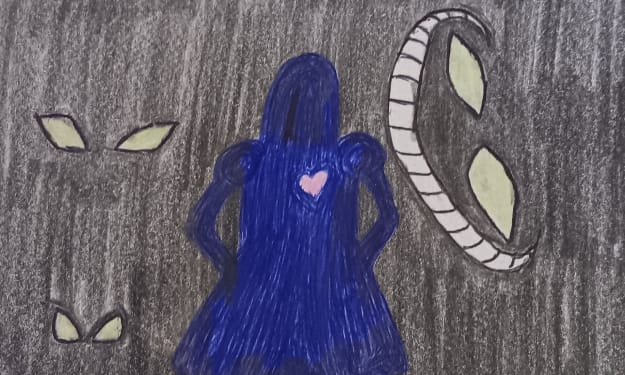
Alice was a young 9 years of age. Whom would often be writing, filling page by page. She never knew the world outside her own. But despite how full her world was, she didn’t see the stone. It came out of nowhere and put her to sleep. The thing she heard before the dark was her mother’s shriek.
By Christopher Shavers11 months ago in Horror
The Whispers Beneath the Floor
When Arif moved into the old colonial house on the outskirts of Murree, he thought he’d found a bargain too good to be true. The owner, a frail old man named Mr. Nadeem, had practically begged him to take it off his hands for half the price of any other property in the area.
By Iazaz hussain11 months ago in Horror
The Cursed Game: Whispers from the Ouija Board. Content Warning.
It was supposed to be just another Friday night — four friends, a dusty attic, and a stupid dare. Lena, Mark, Jenna, and Chris gathered in the old house Lena had inherited from her grandmother. The air smelled of wood, dust, and forgotten secrets. While exploring the attic, Mark found an old wooden box. Faded letters carved across the top read: “OUIJA.” “Let’s summon something,” Mark said, half-joking. Jenna rolled her eyes but couldn’t hide her curiosity. “Sure, let’s invite ghosts to our weekend,” she laughed nervously. They lit candles, set the board on the floor, and placed their fingers on the wooden planchette. The moment they did, the temperature in the room dropped. “Is anyone here with us?” Lena asked softly. The planchette began to move — slow at first, then steady. It slid toward the word YES. Everyone froze. Mark whispered, “Who’s doing that?” No one answered. Then the planchette spelled another message: I. AM. STILL. HERE. A chill ran through Jenna’s spine. “What does that mean — still here?” she asked, her voice shaking. Suddenly, a loud crash echoed from the corner. The old mirror shattered, scattering pieces across the floor. The candle flames flickered violently, throwing shadows that seemed to twist and move on their own. “Enough!” Mark shouted. “This isn’t funny anymore!” They tried to end the session, but the planchette refused to move to GOODBYE. Instead, it spun wildly before stopping on a single word: BLOOD. The temperature plunged again. Their breath turned visible in the cold air. Then came the whisper — faint, echoing from the walls: “Don’t leave me…” The candles blew out all at once. In the darkness, they could still hear the soft scratching of the planchette on the board. When Lena managed to relight a candle, Chris was gone. Only his phone remained, flashlight still on, pointing toward the attic door — now wide open. The police found nothing. The Ouija board had vanished. But a week later, Lena received a small package at her doorstep. No return address. Inside was the same Ouija board, wrapped in an old, torn cloth. Scrawled in ash beneath it were the words: “You didn’t say goodbye.” Since that night, Lena swears she hears tapping sounds beneath her floorboards — one… two… three taps — followed by a soft whisper calling her name. She moved houses twice. The sounds followed her. Last month, her new neighbor saw a shadow moving behind Lena’s curtains at 3 a.m. But Lena wasn’t home. Now, the house stands empty, yet the lights flicker every night at the same hour — and sometimes, if you listen closely, you can still hear that faint whisper through the open window: “Play again…”
By Haunted Secrets11 months ago in Horror
Understanding Flash Flood Warnings and How to Stay Safe
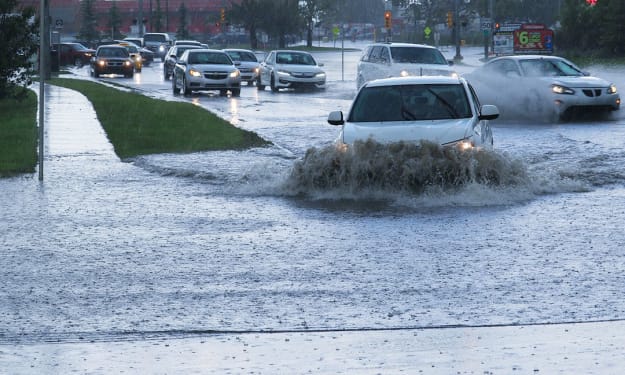
Understanding Flash Flood Warnings and How to Stay Safe A flash flood warning means that flash flooding is imminent or already occurring in the warned area. It is the highest level of alert for sudden flooding and demands immediate action to protect life and property. Flash floods develop rapidly, often within minutes to a few hours of heavy rainfall, dam or levee failure, or sudden releases of water upstream. Because of their speed and destructive power, they are among the deadliest types of weather hazards. How flash floods form Flash floods usually result from intense rainfall over a short period, especially when the ground cannot absorb water quickly enough. Urban areas with lots of pavement and poor drainage are particularly vulnerable because water runs off instead of soaking into the soil. Narrow canyons, steep terrain, and small watersheds concentrate runoff rapidly, producing surges that can sweep away cars, destroy bridges, and inundate houses. Failures of dams, reservoirs, or debris-clogged channels can also trigger sudden flooding downstream. What a warning means compared with other alerts A flash flood watch indicates that conditions are favorable for flash flooding and that residents should be prepared. A flash flood warning means that flash flooding is happening or will happen very soon; people in the affected area must act immediately. Warnings are issued by local weather services or emergency management agencies and typically cover specific counties, towns, or river basins. Immediate actions when a flash flood warning is issued If you receive a flash flood warning for your area, do not wait. Move to higher ground right away. If you are in a low-lying area, along a stream, or in a vehicle, seek safe elevated ground. Do not attempt to walk, swim, or drive through floodwaters. Six inches of fast-moving water can knock an adult off their feet, and one foot of moving water can sweep a vehicle away. If you are advised to evacuate, do so promptly and follow designated routes, which may differ from your normal commute. Safety at home Move important documents, electronics, and valuables to an upper floor if time and conditions permit. Turn off utilities if instructed to do so and unplug appliances to reduce electrical hazards. Avoid basements and lower levels that can fill quickly. If your home is subject to repeated flooding, consider having flood-resistant features installed, such as raised electrical systems, waterproofing, or barriers that can be deployed quickly. Driving and travel Never drive through flooded roadways. Road surfaces can be washed away beneath standing water, and vehicles can be swept into deep or fast-moving water. If you encounter a flooded road, turn around and choose an alternate route. If your vehicle stalls in rising water, abandon it if you can safely exit and move to higher ground. Keep an emergency kit in your vehicle with water, a flashlight, a first-aid kit, warm clothing, and a phone charger. Community and infrastructure impacts Flash floods can isolate communities by washing out roads and bridges, disabling power and communications, and contaminating water supplies. Emergency responders may be delayed reaching affected areas, so individual preparedness matters. Local authorities may open shelters and coordinate rescue operations; follow their instructions closely and avoid returning to damaged areas until officials confirm they are safe. Preparing before a flash flood season Know whether you live in a flood-prone area and identify nearby high ground and safe evacuation routes. Assemble an emergency kit that includes water, nonperishable food, medications, important documents, flashlights, batteries, and cash. Establish a family communication plan and decide on a meeting place. Sign up for local alerts and keep a battery-powered radio or other means to receive warnings if power and cell service are disrupted. What to do after floodwaters recede Avoid floodwater contact because it can contain sewage, chemicals, and debris. Do not attempt to drive unless roads are declared safe. Inspect your property carefully; watch for structural damage, gas leaks, downed power lines, and displaced wildlife. Photograph damage for insurance claims and contact your insurer promptly. Boil tap water until authorities confirm the water supply is safe. Clean and disinfect areas that were flooded to reduce health risks. Signs that a flash flood might be imminent Unusually heavy or prolonged rainfall, rapidly rising streams or creeks, sudden increases in water depth or debris moving in the water, and signs of unusual water coming from nearby hillsides are red flags. If you hear a roaring sound similar to a waterfall or freight train, that can indicate a very fast-moving wall of water is approaching. Technology and alerts Modern alert systems deliver warnings to phones, radios, televisions, and public sirens. Many communities use emergency notification systems that send messages by text or phone. Weather apps that include real-time radar and location-based alerts are useful, but they are supplements to official warnings, not replacements. Keep multiple ways to receive warnings and test them periodically. Common questions answered How long do flash flood warnings last? They typically cover a window from the time flooding is possible until the threat passes, often a few hours, but can be extended if conditions persist. Can you survive flash floodwaters? Yes, by following safety guidance: move to higher ground, avoid water, and pay attention to official instructions. Are basements safe? No, basements are unsafe during flash floods because they can fill quickly with little warning. Being aware, prepared, and ready to act instantly can mean the difference between life and death during a flash flood. Respect the power of moving water, heed warnings, and prioritize safety over property.
By America today 11 months ago in Horror