
Why some aircraft live longer than others
Why some aircraft remain in service for generations while newer designs still fail to replace them.
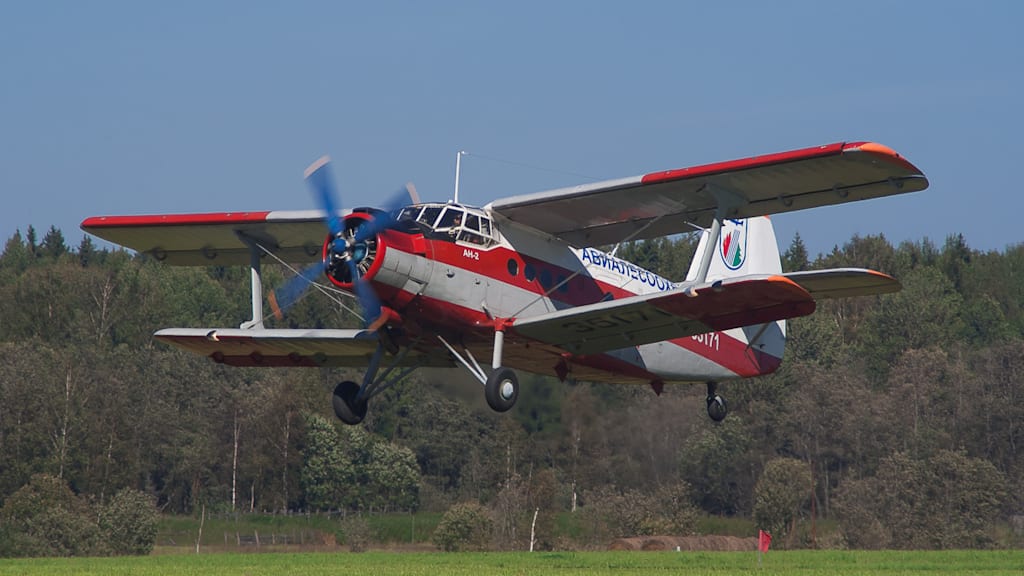
In aviation, age is not a death sentence. Unlike cars, aircraft are not retired simply because they are “old.” If a design is successful, it can remain in service for decades, be modernized, and even continue to be produced in new versions. That is why the sky still contains aircraft that were originally developed in the middle of the twentieth century. The main criterion here is not age, but efficiency. If an aircraft performs its task better and more cheaply than newer alternatives, it stays.
Lockheed C-130 Hercules: the universal soldier of aviation
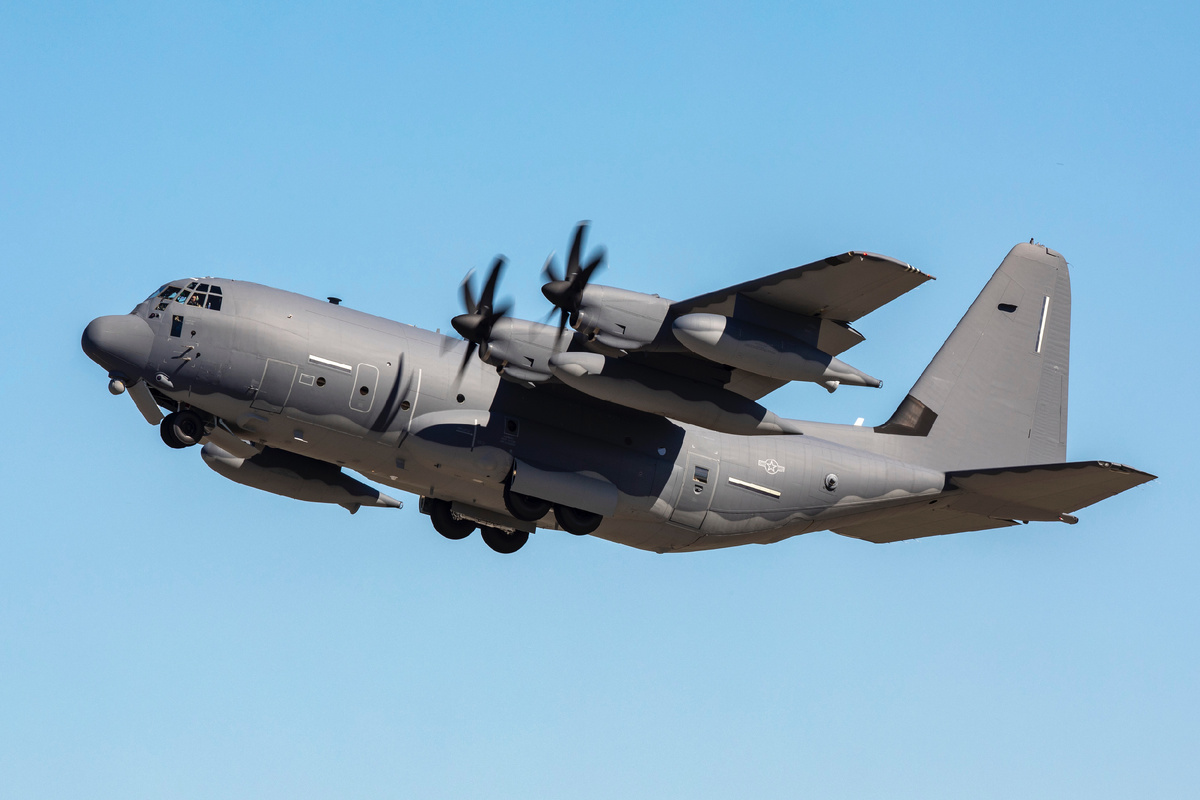
One of the clearest examples is the American transport aircraft Lockheed C-130 Hercules. It first took to the air in 1954 and has never left service since. It is one of the most widely produced military aircraft in history. Its secret is versatility. The C-130 can carry cargo, paratroopers, and vehicles, perform rescue operations, serve as an aerial tanker, and even work as a gunship in the AC-130 version. It can land on short and unprepared runways, which makes it indispensable in both military and humanitarian missions. At the same time, the aircraft has not stood still. The modern C-130J version received new engines, a digital cockpit, and updated control systems. In essence, this is already a new aircraft built on an old and proven design.
An-2: the aircraft no one could replace
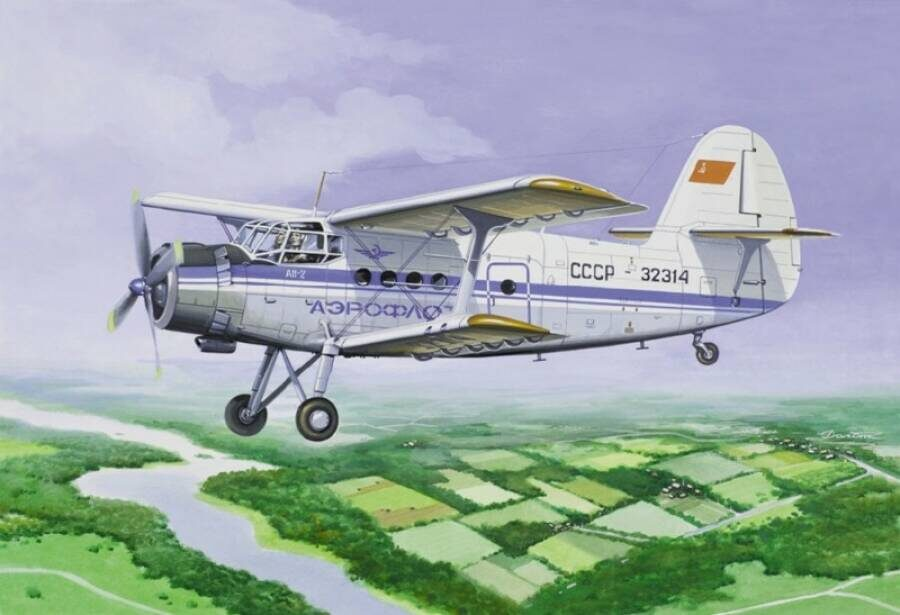
The Soviet An-2, which first flew in 1947, looks like a machine from another era. It is a biplane, slow, noisy, and powered by a piston engine. But that is exactly what makes it unique. The An-2 can take off and land where modern aircraft simply cannot operate: on dirt, snow, and very short strips. It does not require complex infrastructure, is easy to repair, and can work in harsh conditions. In remote parts of Russia, Siberia, Africa, and Asia, such aircraft are still in demand. More than that, modernization projects appear from time to time because a full replacement for it still does not exist.
Douglas DC-3: a legend that outlived its era
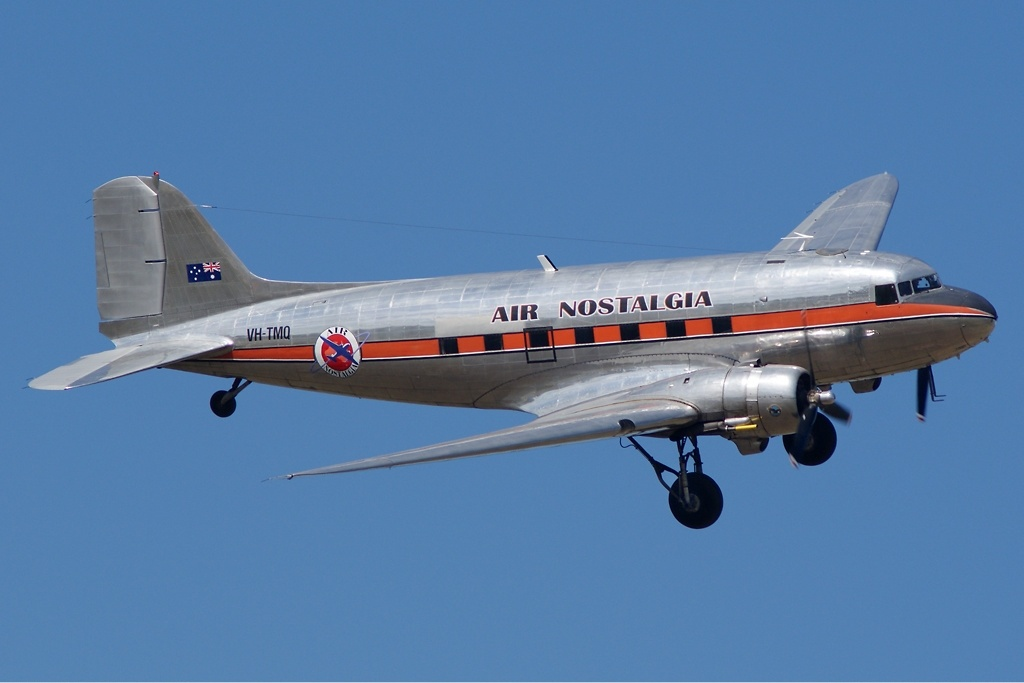
The Douglas DC-3, which first flew in 1935, is one of the most influential aircraft in history. It made commercial aviation profitable and reliable. During the Second World War, its military version, the C-47, became the main transport aircraft of the Allies. After the war, the DC-3 spread across the world and remained in use for decades. Some examples still fly today, more often in cargo operations or as historic aircraft. It is a rare case in which a design almost a century old still remains in the air.
B-52 Stratofortress: a bomber built for a century
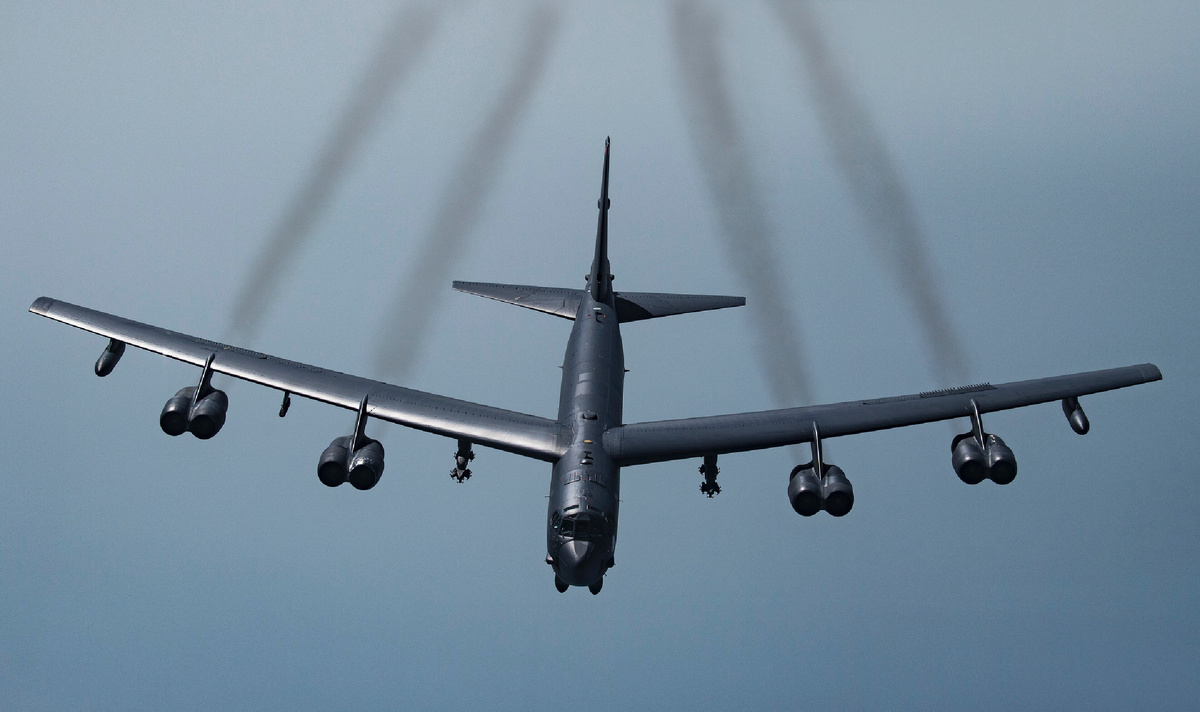
The American strategic bomber B-52 Stratofortress first flew in 1952. It was originally created as a carrier of nuclear weapons during the Cold War. But instead of retiring it, the aircraft was constantly modernized. Its electronics, navigation systems, and weapons were updated. New engines are now being discussed as well. The B-52 is expected to remain in service into the 2050s. That means some aircraft of this type may serve for nearly 100 years.
Boeing 737: the long-lived workhorse of civil aviation
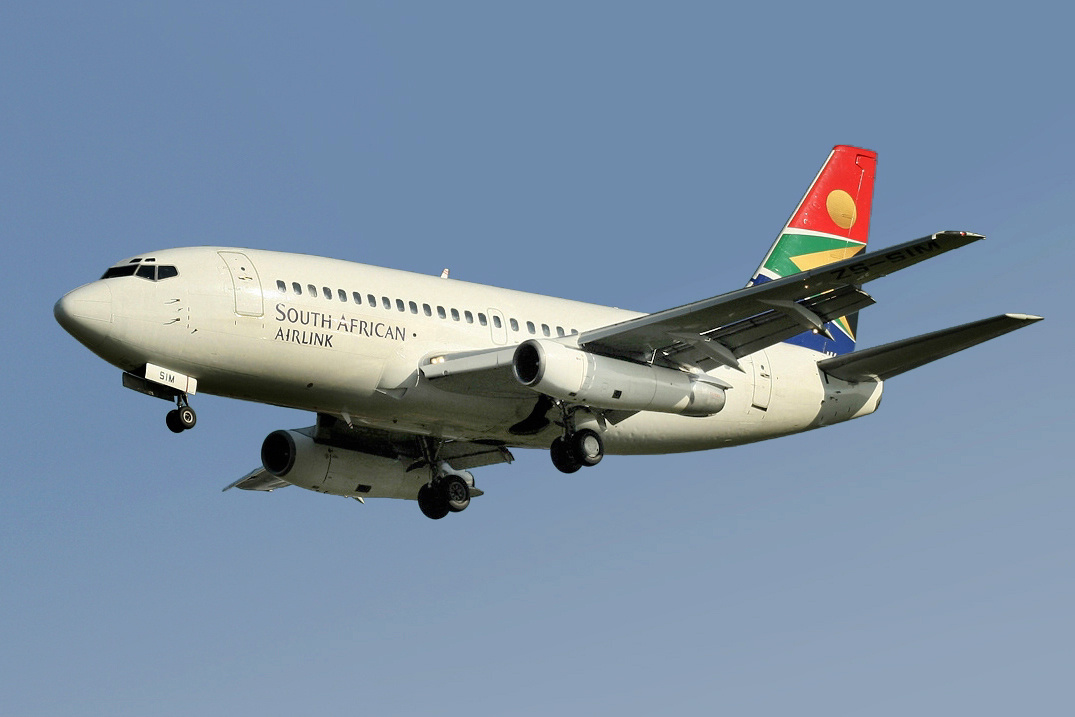
In civil aviation, the main long-lived aircraft is probably the Boeing 737. Its first flight took place in 1967, and serial production began in 1968. Since then, the aircraft has passed through several generations, from the early versions to the modern 737 MAX. Despite major changes, it is still the development of one basic platform. The 737 became one of the most widely produced aircraft in history because of its niche: short- and medium-haul routes, economy, ease of operation, and an enormous service network.
Why old aircraft are not retired
The reason for the long life of such machines is simple. A good aircraft is not only a technology, but also an ecosystem: — trained pilots — experienced mechanics — available spare parts — familiar operating procedures — established logistics
If all of that already exists, replacing the type with a new one becomes expensive and not always justified. That is why older models continue to be upgraded and used.
The main point
Long-lived aircraft are not relics of the past, but the result of successful engineering decisions. The C-130 remains a universal transport aircraft, the An-2 works where there is no infrastructure, the DC-3 became a symbol of an era, the B-52 outlived the Cold War, and the Boeing 737 continues to fly all over the world.
About the Creator
Enjoyed the story? Support the Creator.
Subscribe for free to receive all their stories in your feed.
Comments
There are no comments for this story
Be the first to respond and start the conversation.