
What is the Meaning and Importance of Muharram in Islam?
What is the Meaning and Significance of Muharram?

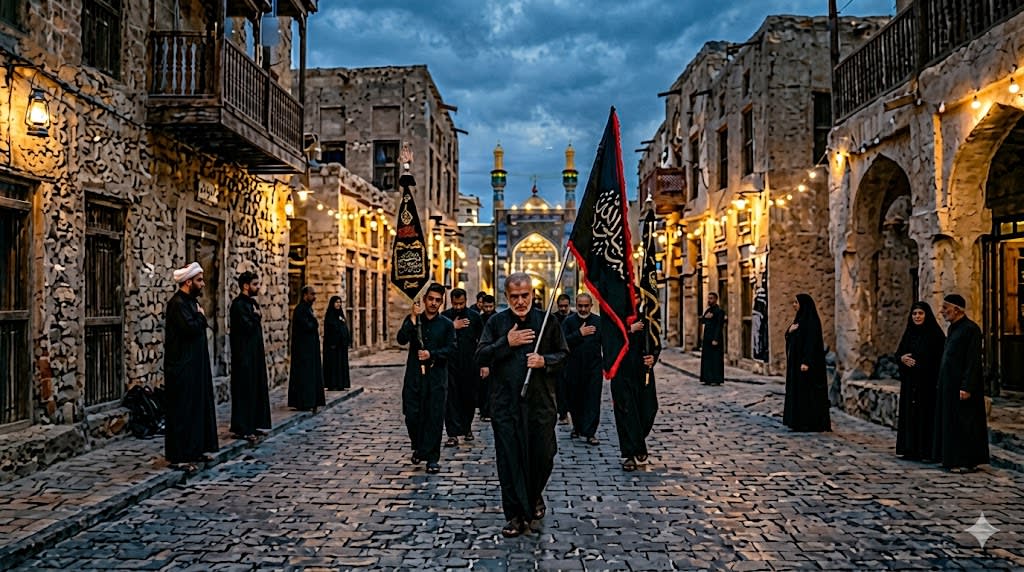
Muharram is a month that carries deep meaning for Muslims across the world. Today, Islam is followed by about 2.0 billion people, which is around 25.6% of the world’s population, so the month matters to a huge community. Muharram is the first month of the Islamic calendar, and it is counted among the sacred months in Islam. In India, Muharram in 2026 is tentatively listed for 26 June, while the month is expected to begin around 16 June 2026. For many people, this is not just a date on the calendar. It is a time for memory, prayer, fasting, and reflection.
What Muharram Means
The word Muharram comes from Arabic and is linked with the idea of something sacred or forbidden. That meaning matters because the month is treated with special respect in Islam. It is not an ordinary month. It is the start of the Islamic new year, so it also brings a feeling of renewal. People often use this time to think about their faith, their actions, and the year ahead. When you look at Muharram in this way, it becomes more than a religious term. It becomes a reminder to slow down, be thoughtful, and stay aware of what is right.
Why Muharram Is Sacred
Muharram is one of the four sacred months mentioned in the Quran. In Surah At-Tawbah, Muslims are reminded that there are twelve months and four of them are sacred. This gives Muharram a special place in Islamic life. The month is also connected with peace and self-restraint. Historically, sacred months were respected times, and fighting was not allowed during them. That is one reason Muharram is remembered with seriousness. For many Muslims, this sacred status gives the month a quiet and serious mood. It invites you to think before you act and to treat others with more care.
The Place of Ashura
The 10th day of Muharram is called Ashura. It is one of the most important days in the month. Sunni Muslims often observe it as a day of fasting, and it is linked with gratitude and remembrance of sacred history, including the story of Moses. Shiʿi Muslims remember Ashura in a different way. For them, it is a day of mourning for the martyrdom of Husayn ibn Ali, the grandson of the Prophet Muhammad, at Karbala. This is why Muharram has both a spiritual and emotional depth. It is a month that holds joy for some memories and deep sorrow for others. That contrast is part of its power.
The Story of Karbala
Karbala is central to the meaning of Muharram for many Muslims, especially Shiʿi communities. The martyrdom of Husayn is remembered as a stand for truth, dignity, and justice. People do not only remember the event as history. They also remember the values behind it. Husayn’s refusal to accept oppression has become a symbol of courage for many believers. When you hear people speak about Karbala, they are often speaking about sacrifice and moral strength. That is why the month can move people so deeply. It reminds them that faith is not only about rituals. It is also about standing firm when life becomes difficult.
How Muslims Observe Muharram
Different Muslims observe Muharram in different ways, but the feeling of respect is common. Many people fast on Ashura, especially in Sunni practice. Others attend sermons, read poetry, join gatherings, or spend time in quiet remembrance. Some families use the month to talk about faith and history with their children. Many people also focus on charity and kind action. The month becomes a space for inner discipline. You may not see loud celebration everywhere because Muharram is often treated as a serious and reflective time. Even so, it can be full of meaning. It gives people a chance to reset their hearts and their habits.
Lessons Muharram Can Teach You
Muharram carries lessons that are still useful today. It teaches patience when life feels hard. It teaches respect for sacrifice. It teaches you to value justice over comfort. It also teaches self-control, which is not easy in a busy world. Many people feel pulled in many directions every day, but Muharram asks for calm thinking and sincere effort. It reminds you that faith is not only about big moments. It also lives in small choices, like speaking kindly, avoiding harm, and helping others. These lessons make Muharram feel close to daily life, not distant from it.
Why Muharram Still Matters Today
Muharram still matters because people still need meaning, memory, and moral direction. A sacred month gives space for all three. It connects the present with history and helps believers remember that their actions matter. For Muslims, Muharram is not only about the past. It is also about the kind of person you want to become now. Its message is gentle but strong. It asks for peace, honesty, courage, and devotion. That is why the month continues to hold such deep value across generations. When Muharram arrives, many hearts turn inward, and that quiet moment can be powerful.
Muharram is the first month of the Islamic year, but it is also much more than a beginning. It is celebrated like an Islamic festival. It is a sacred time filled with remembrance, fasting, reflection, and deep emotion. Some people connect it with Ashura and the fasting of gratitude. Others feel its sorrow through the memory of Karbala. Together, these meanings make Muharram one of the most important months in Islam. If you understand its message, you can see why people treat it with care. It is a month that asks you to pause, remember, and live with greater purpose.
About the Creator
Enjoyed the story? Support the Creator.
Subscribe for free to receive all their stories in your feed.
Comments
There are no comments for this story
Be the first to respond and start the conversation.