
The St. Augustine Lighthouse is said to be cursed and haunted
Witnesses to paranormal activity and recorded tragedies abound regarding this Florida site.

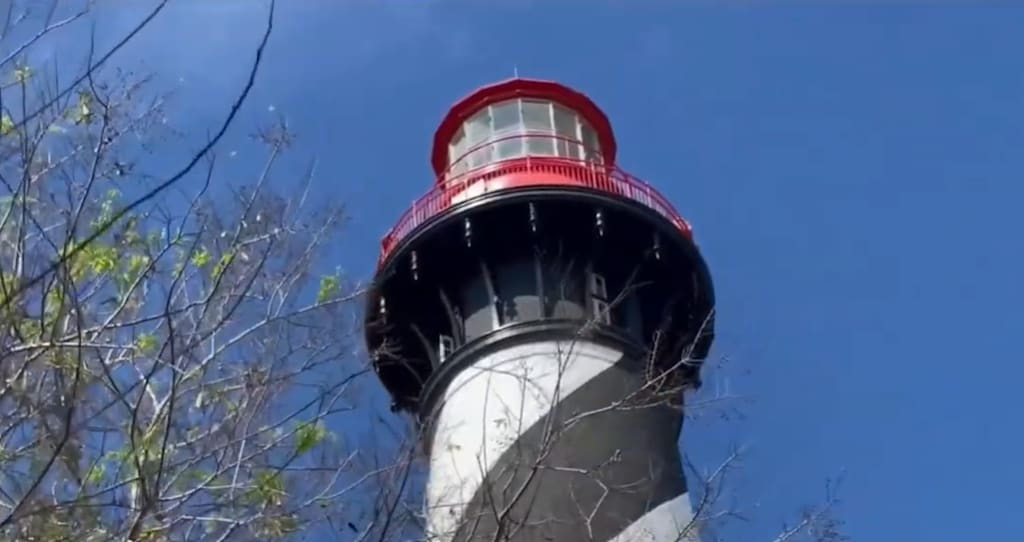
On a recent episode of Toon in With Me, Bill the Curator said the St. Augustine Lighthouse in Florida is one of the most haunted locations in the US. This has been said about many American locales, but is it true? Let's take a look at the lighthouse history.
Also known as The St. Augustine Light Station, the Sunshine State property is privately maintained to aid navigation. In 1885, after many experiments with different types of oils, the lamp was converted from lard oil to kerosene and then to electricity.
The lighthouse is named for the city where it resides, which honors Saint Augustine of Hippo, a prominent theologian and philosopher in the early Catholic Church.
St. Augustine was the site of the first lighthouse established in Florida by the new, territorial, American Government in 1824.(Wkipedia).
The current lighthouse was built between 1871 and 1874 and stands at the north end of Anastasia Island. There is currently a museum that is open to the public 360 days a year.
The following video sheds some light on current spooky events. One employee gives several firsthand accounts of the activity, including being locked in a room by a ghos
Shortly after the lighthouse was completed, yellow fever claimed the lives of many keepers and their families between 1876 and 1888. For a while, the building was abandoned as it was believed to be cursed.
Another harrowing incident recorded in the keeper's log was the Charleston earthquake on August 31, 1886, which caused the tower to "sway violently", but there was no record of damage.
Employees and visitors have given accounts of paranormal activity for centuries, but are these tales real or a figment of overactive imaginations?t.
Skeptics have tried to debunk the ghost stories with rational explanations, but the sightings persist. The lighthouse has even been featured on several paranormal television series.
Nothing has been proven, but some believe ghosts abound. Let's take a look at what is known. St. Augustine had problems from the very beginning.

In July 1873, during the lighthouse's construction, three daughters of construction superintendent Hezekiah Pittee were playing in a railway cart that broke loose and plunged into the Salt Run River.
The children were trapped under water, and three of them drowned. Two of the Pittee sisters (Eliza and Mary) and a young African American friend died. The third Pittee sibling survived.
Visitors and workers frequently report hearing children giggling and seeing a girl in a Victorian dress on the paths. There have also been reports of nearby playground swings moving on their own. The speculation is that the Pittee sisters and ther friend are still hanging around.
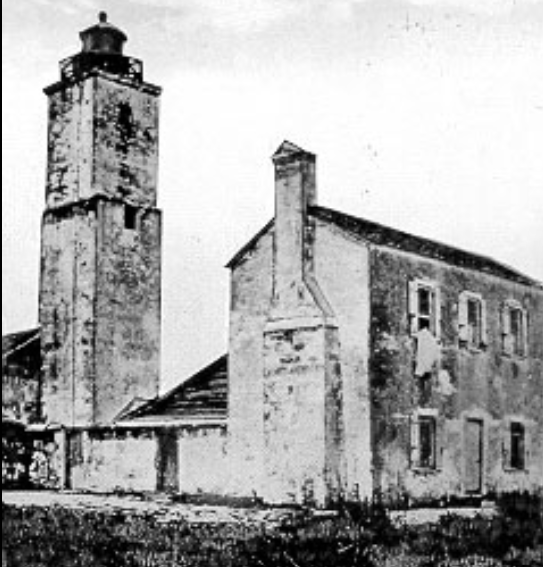
A former lightkeeper, Joseph Andreu, died in 1859 when he fell 60 feet after his painting scaffolding collapsed. His entire family is sad to have died of yellow fever, and his spirit is said to appear at the top of the lighthouse tower.
Guests claim he occasionally unlocks doors or appears as a dark silhouette leaning over the lantern deck railing. Guests and workers claim he haunts the 219 steps of the lighthouse. The spirit of Joseph's wife, Marie, has also been seen washing clothing and doing domestic work.
One of the lighthouse’s longest-serving keepers was Peter Rasmussen. He is said to manifest through the distinct smell of pipe tobacco or cherry cigars. Staff members have reported being shoved or having objects knocked over when people are disrespectful in Rasmussen's old quarters.
This is the history and ghost stories of the St. Augustine Lighthouse. You can believe it or not, or visit to have your own firsthand account if you dare.
About the Creator
Cheryl E Preston
Cheryl is currently pursuing a Bachelor of Science in Psychology. She enjoys writing about current events, history and baby boomer nostalgia. Tips are greatly appreciated.
Enjoyed the story? Support the Creator.
Subscribe for free to receive all their stories in your feed. You could also become a paid subscriber, letting them know you appreciate their work.
Comments
There are no comments for this story
Be the first to respond and start the conversation.