
The Fall of Flight 123
A routine flight home becomes the deadliest single-aircraft disaster in history.

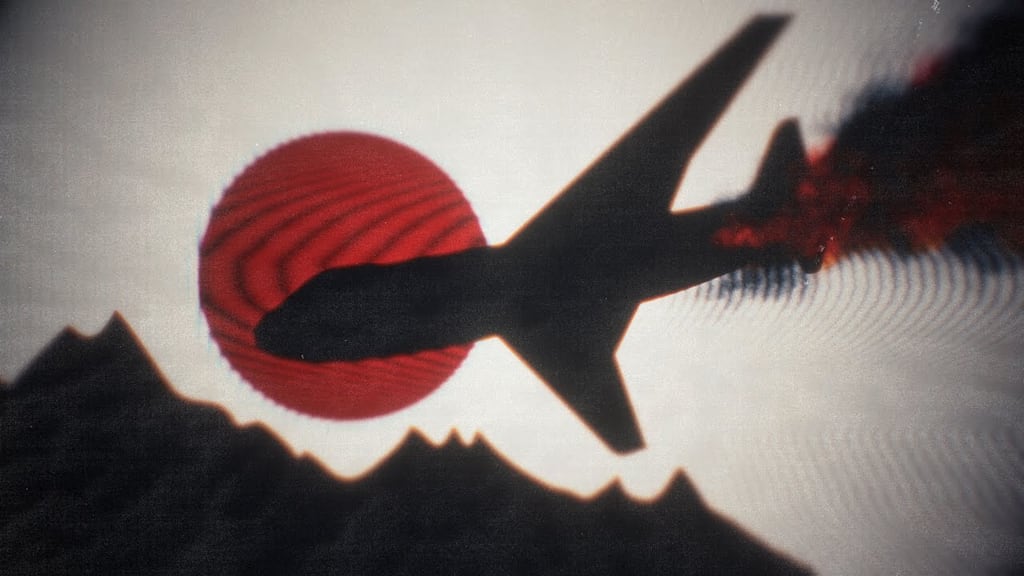
It was the week of Obon, a sacred Japanese tradition dedicated to honoring one’s ancestors and reuniting with family. At Tokyo’s Haneda Airport, the terminal was a sea of movement as thousands of people scrambled to catch flights back to their hometowns. Among the crowd were 524 souls boarding Japan Airlines Flight 123, a Boeing 747 destined for Osaka. It was a short, forty-minute hop, and for the aircraft, this was its fifth trip of the day. The pilots, led by 49-year-old Captain Masami Takahama, expected nothing more than a routine flight as they took off at 6:12 p.m., watching the sprawling Tokyo skyline fade beneath a blanket of clouds.
Twelve minutes into the journey, as the aircraft climbed toward its cruising altitude of 24,000 feet, the peace was shattered by a sudden, deafening bang from the rear of the plane. In the main cabin, the bathroom ceiling collapsed without warning. A blinding flash of white light filled the space as the cabin’s air condensed into a thick, eerie fog due to rapid decompression. Oxygen masks dropped from the ceiling, swaying in front of passengers who were now gripped by unbridled panic.
In the cockpit, the situation was even more dire. Captain Takahama and his crew immediately felt the aircraft become violently unresponsive. What they didn't know—and couldn't see—was that the plane’s vertical stabilizer, the massive tail fin responsible for stability, had been completely blown off. The explosion had also severed all four hydraulic lines. They were now flying a massive metal bird with absolutely no way to steer it.
For the next thirty-two agonizing minutes, the flight entered what is known as a phugoid cycle. The plane would nosedive thousands of feet, picking up terrifying speed, before the nose would naturally pull up, causing the craft to stall and dive again. It rolled at sickening 40-degree angles, swaying through the sky like a leaf in a storm. Inside the cabin, the passengers realized the end was near. Some gripped their seats in silent prayer, while others, with trembling hands, began scribbling final notes to their loved ones on whatever scraps of paper they could find—flight magazines, napkins, or airsickness bags.
The pilots fought with superhuman effort, attempting to use engine thrust alone to maneuver the wreckage. They managed to lower the landing gear to help stabilize the craft, but the treacherous mountain ranges of central Japan were looming. At 6:56 p.m., after a desperate struggle to stay airborne, Flight 123 disappeared from radar, slamming into the ridges of Mount Takamagahara.
The horror, however, did not end with the impact. A U.S. Air Force serviceman spotted the crash site and called in the location within twenty minutes. However, the Japanese military, under the grim assumption that no one could have survived such a catastrophic impact, called off an immediate rescue operation. They decided to wait until the following morning to reach the site by land.
For twelve hours, the mountainside became a scene of waking nightmares. One of the four survivors, Yumi Ochiai, later recalled the agonizing hours spent trapped in the wreckage. Throughout the night, she could hear the screams and cries of other passengers—children calling for their parents and adults moaning in pain. But as the hours bled by in the freezing mountain air, those voices slowly faded into a chilling silence. By the time rescuers finally arrived the next morning, the site was a gruesome graveyard. Medical doctors later stated that had the rescue come just ten hours earlier, many more lives likely would have been saved.
The investigation into the crash eventually revealed a haunting truth: the disaster was entirely preventable. It was caused by a faulty repair made seven years prior following a minor tail-strike incident. Instead of using a single solid splice plate to reinforce the rear bulkhead, Boeing technicians had used two separate plates, rendering a row of critical rivets useless. This structural ticking time bomb held together for over 12,000 flights before finally giving way. The weight of this oversight was so heavy that two maintenance officials later took their own lives in a desperate act of atonement. Today, Mount Takamagahara stands as a silent, permanent monument to the 520 lives lost to a decade-old mistake.
About the Creator
Edge Words
All genres. All emotions. One writer. Welcome to my universe of stories — where every page is a new world. 🌍
Enjoyed the story? Support the Creator.
Subscribe for free to receive all their stories in your feed.
Comments
There are no comments for this story
Be the first to respond and start the conversation.