
The 1970 Masterpiece That Told Both Sides of Pearl Harbor—And Got It Right!
Tora! Tora! Tora!

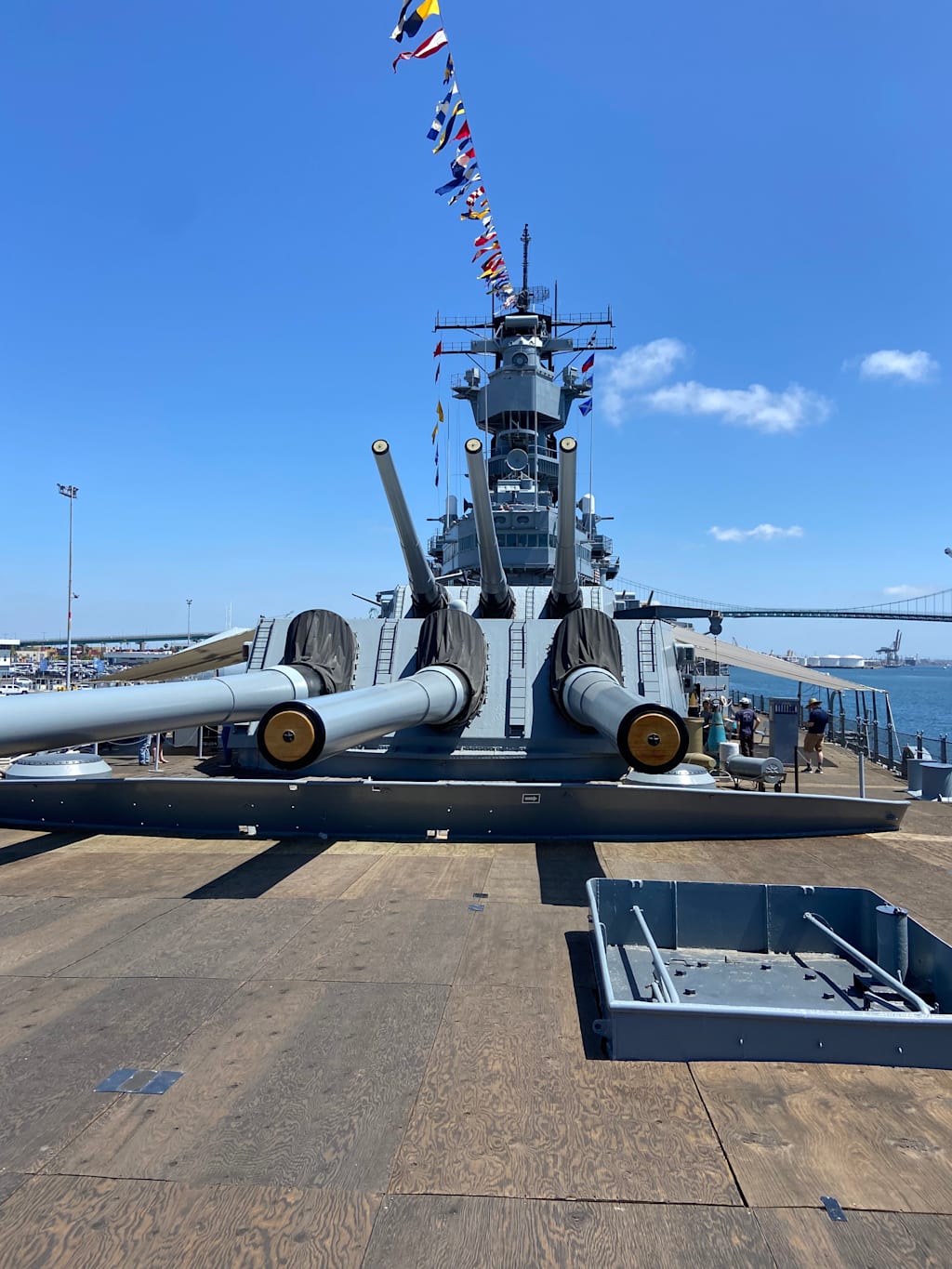
The 1970 movie, Tora! Tora! Tora!, depicts a historically accurate timeline of the events leading up the attack on Pearl Harbor and the attack itself. This film was cocreated by Americans and Japanese with the goal of telling the story from both sides.
The film starts out from the Japanese perspective and shows the change of command ceremony placing Admiral Yamamoto in command of the Navy. He speaks with his predecessor about the conflict between the Japanese Army and Navy and how they have an internal battle for power. It then goes into a scene with General Tojo, the Minister of War, and Prince Konoye, the Prime Minister. They discuss the embargo put in place by the United States in September of 1940 and the movie shows the signing of the Tripartite Pact with Germany and Italy later that same month. They also discuss turning to Indochina for new raw materials. This is depicted in the movie exactly how the textbook describes the events. The movie then goes on to explain Japan’s strategy in a war with America. Admiral Yamamoto states “Japan’s only hope is to annihilate the American Pacific fleet at the outset.” This prompts the planning phase of the Pearl Harbor attack just as described in the West Point History of Warfare textbook.
The second phase of the movie goes into much more detail than what is covered in the textbook, but it can be said that what the film depicts is nearly accurate to what occurred in the months leading up to Peal Harbor. From the American point of view, it shows the struggle of communications and understanding the intelligence about what is coming. The story builds intensity on the day prior to the attack. Washington D.C. intercepts messages to the Japanese ambassador that eludes to a possible attack. On the other side, there is a scene in which Admiral Nagumo finds out the U.S. aircraft carriers left Hawaii for open sea. This foreshadows for the reasoning behind him choosing to not launch the third wave of his attack.
The final part of the movie occurs after the intermission, the morning of December 7th, 1941. Two key features that were not discussed in the textbook but were discussed in class during lesson 14, were the initial shots fired that day at a Japanese mini-submarine and the confusion on the radar due to a group of B-17s flying in from mainland USA. Both details were included in the movie, it was enjoyable to watch something that my instructor previously discussed. At the end of the movie it shows Nagumo’s decision not to launch the third wave of attacks due to risk of not knowing the location of the American carriers, he wanted to protect the vital fleet. This is exactly how the textbook describes his decision-making process. Another interesting part of this story is that the textbook describes that Admiral Kimmel and Lieutenant General Short were relieved of their command due to the failure of Pearl Harbor’s defense. The reasoning for this can be seen in the movie when LTG Short orders all the planes to be placed extremely close to one another on the runway because he believes sabotage is a bigger threat than an aerial attack. Overall, the film is depicted virtually in-line with how the textbook describes the events before and during the attack of Pearl Harbor. I believe they did this because they wanted to tell the story correctly and honor both the Americans and the Japanese that fought during World War II. The opening scene has a message that ends with “All of the events and character depicted are true to historical fact.”
This movie was enjoyable to watch and very educational. It shows many different perspectives to include the planning from the Japanese side, the military leadership and intelligence from the Americans, as well as the politics and bureaucracy involved in the foreign relations of dissenting nations. It is a unique movie for its time in that there were many accuracies not only in the story, but in the outfits and props. Planes like the American P-40s and B-17s were accurate for the time. The U.S. uniforms appeared to be accurate with actors wearing the proper ranks of the characters they play. I would highly recommend this movie to anyone that enjoys military history and learning about the small details that add to the story.
Bibliography
Drea, Edward J. “Japan Strikes: From Pearl Harbor to Midway.” Edited by Clifford J. Rogers
and Ty Seidule. In The West Point History of Warfare, Part II, 50.2-50.8. edited by Clifford J. Rogers and Ty Seidule. New York, NY: Rowan Technology Solutions, 2020. https://reader.rowan.nyc/#/read/386/page/12006 (accessed October 28, 2020).
Williams, Elmo. Tora! Tora! Tora!. Directed by Richard Fleischer, Toshio Masuda, and Kinji
Fukasaku. (20th Century Fox, 1970). Amazon Prime Video.
About the Creator
Sam Shroyer
I am an active-duty Engineer Officer in the US Army with a BS in Environmental Engineering from West Point. My previous positions include the following:
- Assistant Training Officer
- Sapper Platoon Leader
- Company Executive Officer
Enjoyed the story? Support the Creator.
Subscribe for free to receive all their stories in your feed.
Comments
There are no comments for this story
Be the first to respond and start the conversation.