World History
Unsolved Mysteries of the World and the Universe That Defy Explanation...
Welcome back to another adventure as we explore ten fascinating mysteries of the world and the universe. Get ready to be amazed and enthralled as we learn the answers to questions that have perplexed historians, scientists, and astronomers alike. These are some of our favourite topics to discuss, and if you have any requests for future ones, just let us know in the comments below.
By Francis Dami3 years ago in History
Reviewing "The 40 Rules of Love" by Elif Shafak
Introduction In this article, I will be reviewing the book "The 40 Rules of Love" by Elif Shafak, which is the first book in a series of reviews on books by Turkish authors. As an avid reader, I recently finished reading this book and would like to share my opinion with you. Elif Shafak is a renowned Turkish author, and this international bestseller intrigued me as it was my first introduction to Turkish literature.
By Tajamul Hassan3 years ago in History
Viking Exploration And Navigation Techniques
The Vikings were renowned seafarers, known for their audacious explorations and exceptional navigational skills. In the following article, we will delve deep into the details of their exploration and navigation techniques, delving into the historical context, ship designs, navigation methods, and their impact on global history.
By Vikings Rule3 years ago in History
Bridging the Gap: Islamic Perspectives on Science and its Review
Abstract: This paper proposes the establishment of an Islamic review platform that explores the intersection of Islamic principles and scientific advancements. By fostering dialogue between Islamic scholars and scientists, this platform aims to provide a better understanding of scientific discoveries from an Islamic perspective. The initiative seeks to bridge the gap between science and religion, offering a platform for critical analysis and evaluation of scientific research through the lens of Islamic teachings.
By Delightful Bliss3 years ago in History
Titanic
art wrnic Stories Story 1: Emily, a young woman in her early twenties, boarded the Titanic filled with dreams of starting a new life in America. She had left her family behind, promising to send for them once she found stable work. As the ship set sail, she met a charming young man named James. They spent their days exploring the ship, sharing stories, and falling deeply in love. They made grand plans for their future together in the land of opportunities. However, tragedy struck when the Titanic hit an iceberg. In the chaos that ensued, Emily and James became separated. Emily managed to find a lifeboat but refused to board without James. Holding onto the hope that he would join her, she waited until the last moment, tears streaming down her face, but he never came. She survived the disaster, haunted by the memory of losing her true love and carrying the weight of unfulfilled dreams for the rest of her life. Story 2: Thomas, a middle-aged man, boarded the Titanic as a third-class passenger. He was traveling with his wife and three young children, seeking a better future in America. Thomas had worked tirelessly for years, saving every penny to afford their tickets. As the ship sailed across the Atlantic, he watched his children's eyes light up with wonder and excitement. They eagerly explored the ship, oblivious to the social divisions that separated them from the wealthier passengers. However, tragedy struck when the Titanic struck an iceberg. In the midst of chaos and panic, Thomas held onto his family tightly, desperately searching for a way to save them. He managed to secure a place on a lifeboat for his wife and children, but there was no room for him. He kissed them goodbye, telling them he loved them, and watched as they sailed away to safety. Thomas met his fate, alone and filled with regret for not being able to be with his beloved family until the end. Story 3: Elizabeth, a widow in her fifties, boarded the Titanic as a first-class passenger. She had lost her husband a year earlier and was traveling to America to be reunited with her only son and his family. Elizabeth carried a photograph of her husband with her at all times, finding solace in his memory. On the ship, she struck up a friendship with a young artist named Charlotte. The two spent hours conversing, and Elizabeth shared stories of her life and the love she had lost. Charlotte offered her condolences and encouraged Elizabeth to cherish the memories she had. Tragedy struck when the Titanic struck the iceberg, and panic spread throughout the ship. As chaos ensued, Elizabeth found herself separated from Charlotte. She clutched the photograph of her husband tightly, whispering her final goodbyes. Elizabeth met her fate, finding solace in knowing that her beloved husband would be waiting for her on the other side. These are just a few emotional stories inspired by the Titanic. The real-life tragedy of the Titanic affected thousands of lives, leaving behind countless tales of love, loss, and resilience. Titanic Stories Titanic Story 1: Emily, a young woman in her early twenties, boarded the Titanic filled with dreams of starting a new life in America. She had left her family behind, promising to send for them once she found stable work. As the ship set sail, she met a charming young man named James. They spent their days exploring the ship, sharing stories, and falling deeply in love. They made grand plans for their future together in the land of opportunities. However, tragedy struck when the Titanic hit an iceberg. In the chaos that ensued, Emily and James became separated. Emily managed to find a lifeboat but refused to board without James. Holding onto the hope that he would join her, she waited until the last moment, tears streaming down her face, but he never came. She survived the disaster, haunted by the memory of losing her true love and carrying the weight of unfulfilled dreams for the rest of her life. Story 2: Thomas, a middle-aged man, boarded the Titanic as a third-class passenger. He was traveling with his wife and three young children, seeking a better future in America. Thomas had worked tirelessly for years, saving every penny to afford their tickets. As the ship sailed across the Atlantic, he watched his children's eyes light up with wonder and excitement. They eagerly explored the ship, oblivious to the social divisions that separated them from the wealthier passengers. However, tragedy struck when the Titanic struck an iceberg. In the midst of chaos and panic, Thomas held onto his family tightly, desperately searching for a way to save them. He managed to secure a place on a lifeboat for his wife and children, but there was no room for him. He kissed them goodbye, telling them he loved them, and watched as they sailed away to safety. Thomas met his fate, alone and filled with regret for not being able to be with his beloved family until the end. Story 3: Elizabeth, a widow in her fifties, boarded the Titanic as a first-class passenger. She had lost her husband a year earlier and was traveling to America to be reunited with her only son and his family. Elizabeth carried a photograph of her husband with her at all times, finding solace in his memory. On the ship, she struck up a friendship with a young artist named Charlotte. The two spent hours conversing, and Elizabeth shared stories of her life and the love she had lost. Charlotte offered her condolences and encouraged Elizabeth to cherish the memories she had. Tragedy struck when the Titanic struck the iceberg, and panic spread throughout the ship. As chaos ensued, Elizabeth found herself separated from Charlotte. She clutched the photograph of her husband tightly, whispering her final goodbyes. Elizabeth met her fate, finding solace in knowing that her beloved husband would be waiting for her on the other side. These are just a few emotional stories inspired by the Titanic. The real-life tragedy of the Titanic affected thousands of lives, leaving behind countless tales of love, loss, and resilience. The Titanic: A Vessel of Emotion The Titanic, a name that resonates with a myriad of emotions. It was not merely a ship; it was a symbol of dreams, aspirations, and the fragility of human existence. The story of the Titanic stirs emotions deep within us, as it encompasses love, hope, courage, tragedy, and loss. The sheer magnitude of the emotional impact of the Titanic can be attributed to various factors, including its historical significance, the human stories intertwined with its voyage, and the enduring legacy it has left behind. First and foremost, the Titanic holds a significant place in history. It represents an era of industrial advancement, where human ingenuity sought to conquer nature itself. The ship's grandeur and opulence were a testament to the progress of mankind, and people marveled at its sheer size and technological prowess. It embodied the epitome of luxury, promising a voyage of wonder and delight. This sense of awe and wonderment adds an emotional layer to the story, as it is a stark reminder of the hubris of humanity in the face of nature's might. However, the emotional core of the Titanic lies in the personal stories of its passengers and crew. It is a story of human connection, transcending the boundaries of class, wealth, and societal expectations. The love between Jack and Rose, two individuals from different worlds, captures the essence of forbidden romance and youthful rebellion against societal norms. Their relationship symbolizes the triumph of love over societal barriers, and their moments together evoke a deep emotional resonance in audiences. Moreover, the Titanic is a tale of heroism and sacrifice. In the face of impending disaster, acts of bravery and selflessness emerged. From the musicians who continued playing to calm the passengers, to the crew members who worked tirelessly to save lives, the stories of heroism on the Titanic ignite profound emotions of admiration and respect. These acts remind us of the resilience of the human spirit and our capacity to rise above adversity. However, it is the tragic end of the Titanic that leaves an indelible mark on our hearts. The sinking of the unsinkable ship shatters the illusion of invincibility and confronts us with the harsh reality of mortality. The images of the ship's final moments, the cries for help, and the desperation of those left behind are seared into our collective memory. The loss of life, the separation of loved ones, and the unfulfilled dreams and potential create a profound sense of grief and sorrow. The emotional impact of the Titanic extends beyond the tragedy itself. It lies in the aftermath and the legacy it has left behind. The sinking of the Titanic led to significant changes in maritime safety regulations, emphasizing the importance of lifeboats and better communication systems. This legacy serves as a poignant reminder of the lives lost and the lessons learned from the disaster. In conclusion, the emotional resonance of the Titanic is multifaceted and profound. It encompasses a range of emotions, from awe and wonderment to love and sacrifice, grief and loss. The Titanic continues to captivate our hearts and minds because it represents the fragility of human existence and the power of emotions that transcend time. It reminds us to cherish the connections we forge, to appreciate the beauty and grandeur of life, and to honor the memory of those whose lives were forever linked to the ship that sailed into history. Title: The Titanic (1997) - A Timeless Tale of Love and Tragedy Introduction (Word Count: 250) The Titanic, directed by James Cameron and released in 1997, is an epic historical romance that captivated audiences worldwide. Set against the backdrop of the ill-fated RMS Titanic's maiden voyage, the film masterfully combines love, tragedy, and spectacle to create a cinematic experience that continues to resonate with viewers more than two decades after its release. This article delves into the film's intricate plot, notable characters, historical context, and enduring legacy. I. Setting the Stage (Word Count: 500) A. Historical Context The Titanic was a luxurious British passenger liner that embarked on its maiden voyage from Southampton, England, to New York City in April 1912. Regarded as the "unsinkable" ship, it was the epitome of opulence and technological marvel of its time. B. Characters 1. Jack Dawson: A free-spirited artist from Wisconsin who wins third-class passage aboard the Titanic in a lucky game of poker. 2. Rose DeWitt Bukater: A young, upper-class woman trapped in a loveless engagement to Caledon Hockley, a wealthy heir. 3. Cal Hockley: A privileged aristocrat engaged to Rose, who represents the societal expectations and constraints of the upper class. II. Love Blooms on the Titanic (Word Count: 1000) A. Chance Encounter Jack and Rose's paths cross when Jack saves Rose from attempting suicide by jumping off the ship. Their first interaction reveals the stark contrast between their social backgrounds. B. Forbidden Love Jack and Rose form an instant connection despite their different social standings. As they spend time together, their romance blossoms, much to the disapproval of Rose's fiancé, Cal, and her mother, Ruth. C. Iconic Moments The film showcases several unforgettable scenes, such as Rose's famous line, "I'm flying," as she stands at the ship's bow with Jack. Their passionate and secret rendezvous in a car in the ship's cargo hold, the iconic handprint on a steamy window, and the intimate moments shared in the ship's gymnasium further solidify their bond. III. Tragedy Strikes (Word Count: 1000) A. The Collision The film accurately depicts the Titanic's fatal collision with an iceberg, an event that ultimately sealed its tragic fate. The impact leads to a series of chaotic events that intensify as the ship's crew and passengers realize the imminent danger. B. Class Struggles Cameron's storytelling cleverly highlights the stark class divisions aboard the Titanic. The third-class passengers face immense hardships and struggle to escape the flooding lower decks, while the first-class passengers receive preferential treatment and access to lifeboats. C. Heroic Acts Amidst the chaos and impending doom, the film highlights numerous acts of bravery and selflessness. From the ship's officers and crew striving to maintain order to Jack sacrificing his safety to ensure Rose's survival, these acts provide a glimmer of hope amid the tragedy. IV. Heartbreak and Loss (Word Count: 1000) A. Splitting Paths As the Titanic plunges further into the icy waters, Jack and Rose find themselves fighting for survival. Despite their love, their paths diverge as Rose boards a lifeboat to escape while Jack remains on the sinking ship. B. Devastating Endings Jack's demise and sacrifice in the frigid Atlantic waters leave audiences heartbroken. Rose clings to a piece of floating debris, narrowly avoiding death. The film masterfully combines tragedy and heartbreak, leaving an indelible impact on viewers. V. The Legacy of So what happened after then After the sinking of the Titanic on April 15, 1912, numerous rescue efforts were made to save the survivors. The RMS Carpathia, the closest ship to the Titanic's location, received distress signals and rushed to the scene. Carpathia managed to rescue 705 survivors from lifeboats and brought them safely to New York City. Meanwhile, news of the disaster spread worldwide, shocking and saddening people everywhere. The loss of life and the stories of bravery and tragedy captured the public's attention. Investigations were conducted to determine the causes of the sinking and to improve maritime safety regulations. The survivors, both passengers and crew members, faced the difficult task of moving forward after the traumatic event. Many were deeply affected by the loss of loved ones and had to cope with survivor's guilt. Some survivors became advocates for maritime safety, pushing for better regulations and the use of sufficient lifeboats on all ships. The Titanic disaster had a significant impact on maritime history. It led to the establishment of the International Ice Patrol, an organization responsible for monitoring iceberg danger in the North Atlantic. It also prompted improvements in maritime safety regulations, such as the requirement for ships to carry enough lifeboats for all passengers and crew. The sinking of the Titanic has since become a symbol of human hubris, reminding us of the dangers of overconfidence and the fragility of life. The stories of the Titanic continue to be shared, studied, and remembered as a reminder of the human cost of tragedy and the importance of learning from past mistakes. The Titanic was a luxury British passenger liner that famously sank on its maiden voyage on April 15, 1912. The tragic event has captivated the public's imagination for over a century and has been the subject of numerous books, films, and documentaries. The RMS Titanic was one of the largest and most luxurious ships of its time, designed to be unsinkable. It set sail from Southampton, England, on April 10, 1912, bound for New York City. However, four days into the voyage, on the night of April 14, the Titanic struck an iceberg in the North Atlantic Ocean. The ship's design, which included a lack of sufficient lifeboats, and the crew's failure to take appropriate action exacerbated the disaster. The iceberg tore a series of holes along the starboard side of the ship, causing it to flood rapidly. Despite the efforts of the crew and the launching of lifeboats, there were not enough to accommodate all the passengers and crew on board. Approximately two and a half hours after hitting the iceberg, the Titanic sank, claiming the lives of over 1,500 people. The loss of life was due to a combination of factors, including the lack of lifeboats, the cold water temperature, and the confusion and chaos during the evacuation. The sinking of the Titanic was a watershed moment in maritime history and led to significant changes in shipbuilding regulations and safety practices. It highlighted the importance of sufficient lifeboats, improved communication systems, and increased attention to iceberg warnings. The story of the Titanic has become a symbol of human hubris and the consequences of overlooking safety precautions. It continues to fascinate people worldwide and serves as a reminder of the fragility of human endeavors in the face of natural forces.l1
By OZI EBIYERIN3 years ago in History
The Giant of Africa
Nigeria has a rich and diverse history, shaped by various civilizations, kingdoms, and colonial influences. Nigerian culture reflects this diversity, with over 250 ethnic groups and more than 500 languages spoken in the country. Let's explore the history of Nigeria and Nigerian life and culture. Ancient Civilizations: Nigeria's history dates back to ancient times. The Nok civilization, which flourished around 1500 BCE to 200 CE, is one of the earliest known complex societies in West Africa. They are famous for their intricate terracotta sculptures. Kingdoms and Empires: From the 9th to the 19th centuries, several powerful kingdoms and empires emerged in different parts of Nigeria. Notable among them were the Kanem-Bornu Empire in the northeast, the Hausa kingdoms in the north, the Benin Empire in the south, and the Oyo Empire in the southwest. These kingdoms thrived in trade, agriculture, and artistic achievements. Transatlantic Slave Trade: Nigeria, like many other African nations, was affected by the transatlantic slave trade, which lasted from the 16th to the 19th century. Millions of Africans, including Nigerians, were captured, sold, and forcibly transported across the Atlantic to work as slaves in the Americas. Colonial Era: In the late 19th century, Nigeria came under the influence of European powers. The British established control over different regions and gradually extended their authority over the entire territory. In 1914, Nigeria was amalgamated into one colony called the "Colony and Protectorate of Nigeria." Independence and Post-Colonial Era: Nigeria gained independence from British colonial rule on October 1, 1960. The country adopted a federal system with three regions—Northern, Western, and Eastern Nigeria—and later expanded to include additional states. However, Nigeria has experienced periods of political instability, military coups, and a civil war (1967-1970) during which the breakaway state of Biafra fought for independence. Contemporary Nigeria: Today, Nigeria is Africa's most populous country and one of its largest economies. It is known for its rich cultural heritage, diverse music and arts scene, and vibrant film industry, commonly referred to as Nollywood. Nigeria is also a significant producer of oil and plays a significant role in the African Union and other international organizations. Nigerian Life and Culture: Nigerian culture is characterized by its ethnic and linguistic diversity. The country's major ethnic groups include the Hausa, Yoruba, Igbo, and numerous smaller tribes. Each group has its own unique customs, traditions, languages, and cuisines. Nigerian cuisine is diverse and often includes staple foods like rice, yam, cassava, and plantains, along with various soups, stews, and sauces. Popular dishes include jollof rice, pounded yam, egusi soup, and suya (spiced grilled meat). Music and dance play a significant role in Nigerian culture. The country has produced internationally recognized musicians in various genres, including Afrobeat (popularized by Fela Kuti), highlife, juju, gospel, hip hop, and more. Nigerian fashion, literature, and visual arts also contribute to the vibrant cultural landscape. Religion in Nigeria is diverse, with Islam and Christianity being the two dominant faiths. Traditional African religions are also practiced, particularly in rural areas. Nigerian society places great importance on family and community, with extended family networks playing a crucial role in social life. Despite the challenges Nigeria faces, such as poverty, corruption, and security concerns, Nigerians are known for their resilience, entrepreneurial spirit, and vibrant cultural expressions, making Nigeria a dynamic and culturally rich nation.
By RAPHAEL AKINNUSI3 years ago in History
Unraveling the Ukraine Crisis: Exploring the Causes and Consequences of the Russian War
This topic delves into the ongoing conflict between Ukraine and Russia, examining the historical, political, and social factors that have contributed to the crisis. The presentation can explore the root causes of the conflict, including the annexation of Crimea, the pro-Russian separatist movements in Eastern Ukraine, and the complex dynamics between Ukraine, Russia, and the international community.
By Nkem Erakpotobor3 years ago in History
A tapestry of threads
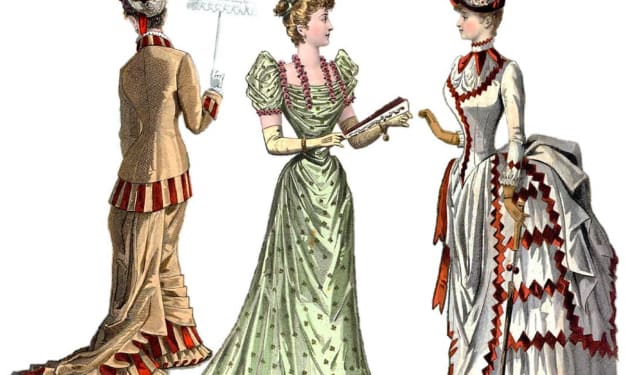
As a modiste in Victorian England, you would have held a position of great importance and influence in the world of fashion, your work would have been particularly relevant and captivating just as it is depicted in the popular television series "Bridgerton." The show showcases the opulent and lavish lifestyles of the aristocracy, where fashion played a pivotal role. Your role would have involved creating exquisite garments and accessories for the elite members of society, ensuring that they were dressed in the latest styles and trends. Let's delve into your life and work in more detail.
By Judith Onyatta3 years ago in History