World History
Checkmate: A Historical Analysis of World Chess Championships Through the Ages
Chess, the "Game of Kings," is a millennia-old battle of intellect, strategy, and resilience. The history of the World Chess Championship reflects not only the evolution of the game but also the sociopolitical and cultural tides of the times. From its inception in the 19th century to its present state as a global phenomenon, the championship has crowned legendary players and cemented chess as both an art and a science. This article delves into the storied past of the World Chess Championship, examining its key moments, iconic players, and enduring significance.
By Muhammah Hanzalah2 years ago in History
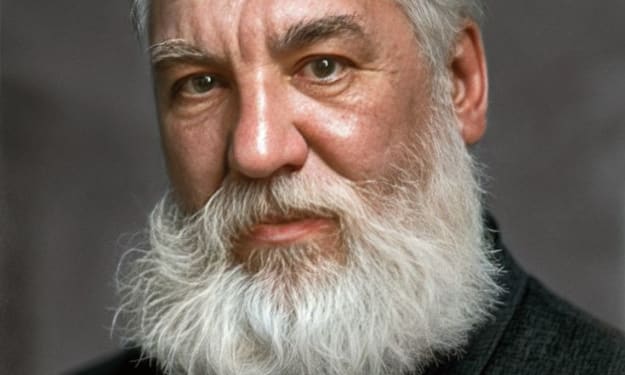
Alexander Graham Bell: The Life and Legacy of a Visionary Inventor
Alexander Graham Bell: The Life and Legacy of a Visionary Inventor Early Life and Education Alexander Graham Bell was born on March 3, 1847, in Edinburgh, Scotland, into a family deeply invested in the study of communication and elocution. His father, Alexander Melville Bell, was a renowned speech therapist and the inventor of "Visible Speech," a system to teach the deaf how to speak. Bell's mother, Eliza Grace Symonds, was deaf, which profoundly influenced his interest in helping the hearing-impaired.
By Mahalakshmi2 years ago in History
The Most Beautiful People in History
The Most Beautiful People in History: A Journey Through Timeless Beauty When we think of beauty, we often consider physical appearance, charm, and charisma. However, beauty is not just about looks — it’s about the influence, personality, and legacy that someone leaves behind. Throughout history, many individuals have captured the world’s imagination with their extraordinary beauty, elegance, and grace. In this blog, we will explore some of the most beautiful people in history whose allure transcended time and continues to inspire us today.
By Zinnat ara Begum2 years ago in History
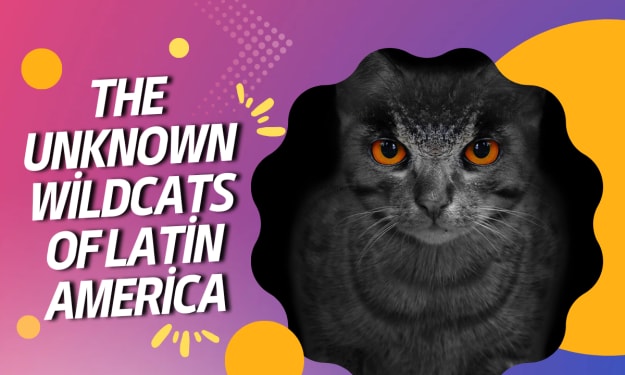
Whiskers in the Wild: The Hidden Lives of Latin America's Small Wildcats
The Unknown Wildcats of Latin America: Shedding Light on the Shadows. "The secret lives of Latin America's small wildcats, from their habitats to ecological significance. Come with us and explore the Margay, Andean Cat, Ocelot, and other cryptic species, learning along the way about conservation efforts in these continent's most mysterious residents." For many years, the word "wildcat" has served as a synonym for the Latin American biodiversity. While attention is showered on the well-known jaguar, the lesser-known wildcats roam in the shadows. The rarest and most elusive felines are also easily overlooked, but they play crucial roles in maintaining these ecosystems. Beginning with the poorly studied Andean cat to the climber Margay, this feature article will examine these fascinating predators, their habitats, and the threats that have brought them to an absolute need for conservation. 1. Meet Latin America's Small Wildcats Latin America has many small wildcats not much known. The list below shows a few of the most important species: 1.1 The Margay (Leopardus wiedii) The margay belongs, as one of the "tree tigers," to the category of many predators. Its live style is nocturnal and arboreal; it is one of the rarest cats in the world, which can, out of the tree climb down headfirst and there hunt birds and monkeys. 1.2 The Ocelot (Leopardus pardalis) It is slightly larger in size than the margay and lives in the same kind of places. Its shy coat pattern with rosettes and stripes, useful for masquerading in dense forests, helps it. Ocelots are indiscriminative feeders and feed on rodents, reptiles, and birds. 1.3 The Andean Cat (Leopardus jacobita) This is a very rare species, known as the "ghost of the Andes," and prefers to live at altitudes above 3,000 meters. The Andean cat is critically endangered, with estimated populations of fewer than 1,500 animals in the wild. 1.4 Geoffroy's Cat (Leopardus geoffroyi) Geoffroy's cat is a small-sized wildcat adapted to the open grasslands and scrublands. They are stealthy predators hunting mainly rodents and small birds. 1.5 Jaguarundi (Herpailurus yagouaroundi) Unlike the other wildcats, the jaguarundi is an otter-like species. The cat seems to flourish well in expansive savannahs and in forests also. 2. Ecological Importance of Small Wildcats These small felines might not be as vocal or noticed as their bigger cousins, but they are every bit as critical to maintaining an ecological balance: Rodent Control: They keep rodent populations from exploding and thus often limit tremendous crop loss or lead to epidemics Seed Dispersal: By hunting rodents that eat fruits, they can help indirectly seed dispersal Maintenance of Ecological Balance: They keep the populations of prey species in check, thereby stopping any species from dominating an ecosystem. 3. Adaptations for Survival Each species developed particular attributes to survive in their respective environments: 3.1 Margay's Tree Climbing Abilities The flexible ankles and long tails of margays helped them keep balance, which made them fantastic climber animals. 3.2 The Andean Cat's Altitude Adaptation Thick fur as well as small ears reduce heat loss in cold climatic areas, and their hides are adapted to blend into the surrounding rocky terrain. 3.3 Jaguarundi's Adaptability Unlike other wildcat, jaguarundis are diurnal, and their diverse range of sounds is very useful to them when they move in dense cover. 4. Threats Confronted by Small Wildcats These small wildcats have been found to be impacted in huge ways, although they are proven to be very adaptable with a wide range of habitats: 4.1 Habitat Destruction Deforestation for agricultural and mining purposes and urbanization resulted in habitat fragmentation, pushing them to live in fragmented, smaller areas where survival becomes more challenging. 4.2 Conflicts with Humans Many farmers view them as a threat to livestock and shoot back. 4.3 Hunting and Unlawful Trade Some get hunted for their silky coat while others are caught and sold as exotic pets. 4.4 Climate Change As for increasing temperatures and changes in weather patterns, these also affect prey availability and suitable habitats, which are already scarce for such a species as the Andean cat. 5. Conservation Efforts 5.1 Protected Areas Latin American countries have created national parks and wildlife reserves that serve to protect habitats. For example, Amazon Rainforest reserves in Brazil help preserve ocelot populations. 5.2 Research and Monitoring Organizations such as Panthera track populations, study behavior and develop conservation plans. 5.3 Community Involvement Educating local communities about the ecological value of these wildcats reduces conflicts and poaching. 5.4 Wildlife Corridors Linking fragmented habitats enable wildcats to move about, mate, and forage freely. 6. You Can Make a Difference Even as individuals, we can help in the protection of these fantastic species: Donate to Wildlife Conservation Organizations: Help organizations that care for wildcats and their habitats. Spread the Word: Share articles, documentaries, and pictures on social media regarding the plight of these cats. Conservation: Reduce your ecological footprint by consuming goods that do not contribute towards deforestation. Ecotourism: Responsible visits to wildlife reserves to support the conservation of these cats in their natural habitats. Conclusion Latin America's small wildcats are jewels of the natural world-the spectacle of survival and beauty, which symbolizes respect for nature. By shedding light into their lives, we ensure their survival as much as we save the ecosystems that are sustained through their existence. High time to step them out from the wilderness under the global spotlight. FAQs Que (1) What is the role of small wildcats in the ecosystem? Ans :- The small wildcats significantly contribute to regulating the populations of their prey, such as rodents and birds. In doing so, they maintain a balance within their ecosystems. Que (2) What are some of the major threats to small wildcats in Latin America? Ans :- Habitat destruction, human-wildlife conflict, illegal wildlife trade, and climate change are all some of the most common threats that expose small wildcats in Latin America to serious or intense threats to their survival. Que (3) How can I contribute to the conservation of the small wildcat? Ans :-You might also donate to organizations that conserve wildcats, use and promote green products, and raise awareness on the conservation of wildcats. Que (4) Which is the most endangered species of wildcat? Ans :- The Andean cat is considered critically endangered with fewer than 1,500 in the wild. Que (5) Where can I see these wildcats in the wild? Ans :- Many small wildcats can be seen in national parks and wildlife sanctuaries in Latin America, such as Amazon Rainforest, Pantanal wetlands, the Andes Mountains. Que (6) Are small wildcats threatening to human beings? Ans :- No generally, small wild cats are non-violent and mostly dislike human contact and rarely cause any serious harm. Prefer hunting small prey in the form of rodents and birds. Que (7) What is the difference between an ocelot and a margay? Ans :- Larger and more terrestrial, ocelots, as well as smaller and more arboreal margays, which are known for their ability to climb down trees headfirst. Que (8) What is the effect of climate change on the survival of small wildcats? Ans :- Climate change impacts on the small wildcat species make them lose habitats and have less availability of prey that makes life hard to survive. Que (9) Is it legal to have small wildcats as pets? Ans :- In most countries, keeping small wildcats as pets is prohibited. Most are legally protected. Small wildcat species are found with low populations in many areas.
By Kalpesh Vasava2 years ago in History
John Titor: The Time Traveler Mystery
Imagine waking up one day to hear someone claim, “I’m a time traveler from 2036.” Sounds unbelievable, right? Yet, this is exactly what happened in 2000 when a mysterious individual named John Titor began posting online about his supposed journey from the future.
By Maher Bilal2 years ago in History
Ningyo
In the intricate landscape of Japanese folklore, the Ningyo emerges as one of the most intriguing and enigmatic beings. Frequently compared to mermaids in Western legends, Ningyo embody a distinctive combination of allure, mystery, and an ethereal quality that symbolizes Japan's profound relationship with the ocean and the natural world. However, the Ningyo transcends the role of a mere mythical aquatic entity; it encompasses rich cultural meanings, moral teachings, and even elements of the supernatural.
By A História2 years ago in History
The Impact of Social Media on Mental Health
Social media has transformed the way we communicate, share experiences, and perceive the world around us. With billions of people worldwide using platforms like Instagram, Facebook, Twitter, and TikTok, social media has become a central part of daily life. It offers countless benefits, including staying connected with friends and family, finding support communities, and gaining access to information and entertainment. However, as social media continues to permeate every aspect of our lives, concerns about its impact on mental health have grown significantly. Is social media a tool that enriches our lives, or is it a double-edged sword that can harm our mental well-being?
By dokis sris2 years ago in History
Marie Curie: A Pioneer in Science
Marie Curie: A Pioneer in Science Marie Curie, born Maria Skłodowska on November 7, 1867, in Warsaw, Poland, is one of the most renowned scientists in history. Her groundbreaking work in the field of radioactivity not only earned her two Nobel Prizes but also paved the way for advancements in science and medicine. This article explores her life and achievements, divided into key phases that highlight her journey.
By Mahalakshmi2 years ago in History
World War: A Historical Journey Through the Global Conflicts That Shaped Humanity
Throughout human history, few events have had as profound an impact on society, politics, and global dynamics as world wars. These catastrophic conflicts drew in nations from across the globe, reshaped borders, toppled empires, and left lasting scars on humanity. They were wars not just of weapons but of ideologies, ambition, and survival.
By Sanjay Sanjay2 years ago in History
The Most Overlooked Countries in the World
Regarding travel and tourism, certain countries often receive the spotlight, while others remain hidden gems, overlooked by mainstream travel guides. Sometimes, places that are less frequently visited or publicised get labelled unfairly, despite having unique landscapes, cultures, and experiences. In this article, we explore some of the most underrated countries in the world—places that may not be on the typical tourist route but possess beauty and charm worth discovering.
By Zinnat ara Begum2 years ago in History