World History
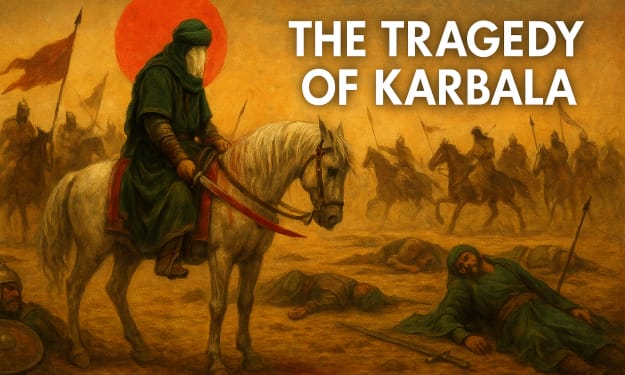
The Tragedy of Karbala
Karbala: 9th and 10th Muharram – The Eternal Stand In the year 680 CE (61 AH), on the scorched plains of Karbala, a small group of devout men, women, and children stood against tyranny in one of the most defining moments of Islamic history. It was the 9th and 10th of Muharram—the days forever etched into hearts as symbols of sacrifice, faith, and unwavering courage.
By Said Hameedabout a year ago in History
SNAFU!
I feel like this is old territory, but that it must be reviewed. I recently discovered a podcast hosted by Ed Helms called “SNAFU”. For those of you who are not familiar with this particular acronym, it means “Situation Normal – All Fucked Up”. I believe that it originated with the military, and yet it seemed perfect for the modern civilian age. And then I listened to the very first episode.
By Kendall Defoe about a year ago in History
"The Day the Sky Fell: The Story of the World Trade Center"
The Day the Sky Fell: The Story of the World Trade Center There are moments in history that split time in two—before and after. For millions around the world, September 11, 2001, is one of those moments. The morning began like any other. In New York City, the sun had just risen over the Hudson River, casting a golden glow on the twin towers of the World Trade Center. They stood tall, proud, and seemingly indestructible—symbols of American ambition and global connection. Inside those towers, thousands of people began their day. Secretaries sipped coffee, executives reviewed schedules, janitors cleaned the marble floors, and traders prepared for the bell on Wall Street. Life moved forward in its usual, predictable rhythm. But at 8:46 a.m., everything changed. A plane—American Airlines Flight 11—struck the North Tower. At first, confusion reigned. Was it an accident? A tragic malfunction? The city stood still, staring upward in disbelief as smoke billowed into the sky. Then, at 9:03 a.m., United Airlines Flight 175 hit the South Tower. The realization was instant and horrifying: this was not an accident. It was an attack. A City in Shock Panic spread quickly. People flooded the streets, staring up at the burning skyscrapers. Reporters struggled to make sense of what was unfolding live on television. Across the country and around the world, people watched in stunned silence. Inside the towers, stories of courage were already being written. Firefighters raced up smoke-filled stairwells. Police officers guided panicked workers to safety. Strangers held hands, prayed, and comforted each other. Many risked their lives to help others find a way out. Some never left. At 9:59 a.m., the South Tower collapsed. A storm of dust and steel swept through the city like a wave, blotting out the sun. At 10:28 a.m., the North Tower followed. In less than two hours, the iconic heart of Lower Manhattan was gone, and with it, nearly 3,000 lives. The skyline had changed forever. So had the world. Echoes of Loss The days that followed were marked by grief, fear, and a silence that lingered even in a city known for its noise. Missing person posters lined every wall and lamppost. Families wandered hospitals, clinging to hope. Vigils filled public parks. Churches rang bells, and mosques held prayers. The pain was collective, cutting across all lines of race, faith, or politics. But even in the sorrow, something powerful emerged: unity. Volunteers came from every corner of the country. Blood banks overflowed. Rescue dogs searched tirelessly through the rubble. Meals were cooked, donations poured in, and shoulders were offered to cry on. Heroes wore every kind of uniform—and some wore none at all. The Towers That Once Stood The World Trade Center wasn’t just a pair of buildings. It was a dream that started in the 1960s—to build a space where commerce and culture from around the world could meet in one place. Designed by architect Minoru Yamasaki, the twin towers became architectural icons, once the tallest in the world. They appeared in movies, postcards, and memories. For many New Yorkers, they were a compass, always pointing home. And then, they were gone. But buildings are not what truly make a city. People do. Rising Again Out of the ashes of Ground Zero, a new symbol of hope began to rise: One World Trade Center, often called the Freedom Tower. It stands 1,776 feet tall, echoing the year of American independence, and was completed in 2014. Today, the 9/11 Memorial & Museum honors those lost. Two massive reflecting pools sit where the towers once stood, their edges inscribed with the names of every victim. Water flows endlessly, a reminder of tears shed—and of healing. Visitors come not just to remember the tragedy, but to honor the courage, kindness, and resilience shown on that day. The Legacy Lives On For those too young to remember, the story of 9/11 is often told through photographs, documentaries, or quiet conversations. But for those who lived it, the memory is vivid. It’s in the firefighter’s empty locker. It’s in the voicemail left by a loved one saying “I love you” one last time. It’s in the dust that clung to the shoes of survivors who walked home across bridges. It’s in the way strangers became family. And it’s in the quiet strength of those who wake up every day and keep going. Never Forget 9/11 was a moment of unimaginable loss—but also a moment of collective humanity. It reminded the world that even in our darkest hours, the light of compassion and unity can shine through. Today, as people look up at the new tower piercing the sky, they are reminded not just of what was lost, but of what was found: a deep, unshakable bond that connects us all. Because some buildings may fall, but the human spirit—when tested—can rise higher than ever imagined.
By Hasbanullahabout a year ago in History
The Village That Never Forgot Her Name
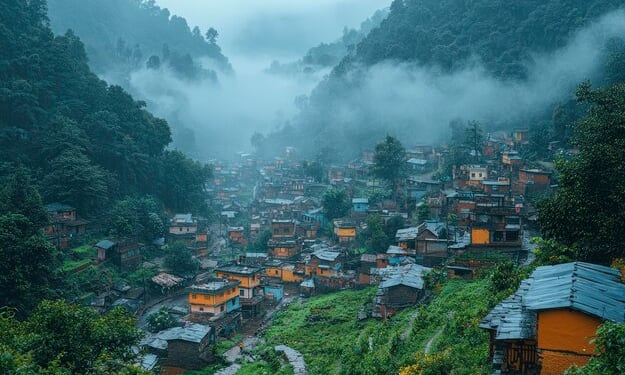
Nestled between the ancient hills of southeastern Europe, where the clouds rest like soft wool on jagged peaks, lies a village untouched by time. Its name is Velika Dolina — "The Great Valley" — though no maps mark it anymore, and GPS signals fade as one nears its border.
By Masih Ullahabout a year ago in History
The Dragon's Legacy
China, one of the world's oldest civilizations, boasts a history that stretches back over 5,000 years. From the mystical days of emperors and dynasties to its current status as a global superpower, China’s journey is a tale of resilience, innovation, and transformation. The nation’s vast history is marked by the rise and fall of great dynasties, groundbreaking inventions, philosophical revolutions, foreign invasions, and a dramatic modernization that reshaped the global political and economic landscape.
By NIAZ Muhammadabout a year ago in History
The Lion of Samarkand
In the dust-laden plains of 14th-century Central Asia, amidst tribal warfare and the crumbling remnants of the Mongol Empire, a boy was born in the city of Kesh — a town not far from the legendary city of Samarkand. His name was Timur, later known to the world as Tamerlane. Born into the Barlas tribe, Timur would rise from humble beginnings to carve an empire that stretched from Delhi to Damascus and shook the foundations of the known world.
By NIAZ Muhammadabout a year ago in History
How Do You Choose the Perfect Clergy Jacket for Service?
Clergy jackets are formal garments worn by pastors, priests, and ministers, offering a dignified yet comfortable alternative to traditional robes. They symbolize spiritual leadership and respect for religious traditions.
By Ayesha Masoodabout a year ago in History
Heracleion: Egypt's Sunken Secret: The City the Gods Forgot
Beneath the Waves, a City Sleeps Located off the coast of modern-day Alexandria, at the meeting point of the Mediterranean's azure waters and the northern edge of Egypt, lies a forgotten city. Sunken beneath the waves for over a thousand years, Heracleion, known as Thonis by the Egyptians, was once a gleaming jewel of ancient power, wealth, and divine mystery.
By The Secret History Of The Worldabout a year ago in History
Fasil Ghebbi Reveals Ethiopia’s Imperial Architectural Glory
Nestled in the highlands of northwestern Ethiopia, the fortress city of Fasil Ghebbi, located in the heart of Gondar, stands as a remarkable symbol of Ethiopian imperial history. Often referred to as the "Camelot of Africa," this walled compound served as the royal residence of Ethiopian emperors during the 17th and 18th centuries. Its unique architectural style—a fusion of Axumite, Portuguese, Indian, and Moorish influences—makes it one of the most significant heritage sites in Africa. Recognized as a UNESCO World Heritage Site in 1979, Fasil Ghebbi is not just a historical treasure but a proud reflection of Ethiopia’s rich and diverse cultural identity.
By Mukhtiar Ahmadabout a year ago in History
The Forbidden Books: Secrets Humanity Was Never Meant to Read
The Books That Frighten the World In a world overflowing with information, certain books remain locked away—sealed behind vaults, buried in monasteries, censored by religious authorities, or veiled in mystery. These are not ordinary volumes of philosophy or history. They are texts so controversial, so enigmatic, or so powerful that reading them was once punishable by death. From medieval grimoires and occult manuals to mysterious coded manuscripts and books said to be written with the devil’s hand—these are the forbidden books of history.
By DRE Explainsabout a year ago in History
Miracle on the Hudson 🛬
On January 15, 2009, US Airways Flight 1549 took off from New York's LaGuardia Airport. The plane had 155 people onboard and was heading to Charlotte, North Carolina. Everything seemed normal for the first few minutes—until disaster struck. Just after takeoff, the plane hit a flock of geese. Both engines failed. Suddenly, the aircraft was gliding through the sky with no power. Panic filled the cabin, and people feared the worst. But something remarkable was about to happen. The Calm Pilot at the Controls Captain Chesley “Sully” Sullenberger was the pilot in command. With years of flying experience, he stayed incredibly calm under pressure. Co-pilot Jeff Skiles also remained focused. They had seconds to decide what to do. Returning to the airport wasn’t possible—the plane was too low. Landing on a road or open space in the crowded city wasn’t safe either. That’s when Sully made a bold decision: to try an emergency landing in the Hudson River. A Dangerous Landing in the Water The river was icy and wide. A water landing is extremely rare and dangerous, especially for a large passenger jet. Still, Captain Sully carefully guided the plane toward the surface. Passengers braced for impact. Incredibly, the aircraft touched down smoothly on the river, like a boat skimming across the water. It didn’t break apart. It didn’t flip. Everyone stayed inside, shaken but alive. Surviving the Cold and Waiting for Help As the plane floated in the freezing Hudson, passengers had to escape quickly. Water was seeping in, and temperatures were close to freezing. People stood on the wings, held onto life rafts, or climbed onto rescue boats. Ferries, police boats, and helicopters rushed to help. The fast response from local authorities and nearby vessels saved lives. In the end, all 155 people survived. Only a few were injured, and none seriously. Why It Became Known as the ‘Miracle on the Hudson’ The landing was so unexpected and perfectly executed that many people called it a miracle. But it wasn’t just luck. It was the result of quick thinking, calm under pressure, great teamwork, and excellent training. Captain Sully was praised around the world as a hero. He later said that everyone onboard helped in some way—from the co-pilot to the flight attendants to the passengers themselves. What We Can Learn from This Story The Miracle on the Hudson teaches us many things. First, staying calm during a crisis can make a big difference. Captain Sully’s calm attitude helped save lives. Second, teamwork matters. The pilots, crew, and passengers worked together to survive. Third, proper training prepares people for the worst. Sully had practiced many emergency landings in flight simulators. When the real moment came, he was ready. A Story That Still Inspires People Today More than a decade later, people still talk about the Miracle on the Hudson. Movies and documentaries have been made about it. Captain Sully became a symbol of courage and professionalism. But more than anything, this story shows that even in the worst situations, hope and quick action can lead to survival. It's a powerful reminder that heroes can rise when we least expect them—and that miracles sometimes come from experience and heart, not just luck. The Miracle on the Hudson remains a symbol of how expert training, calm leadership, and human courage can turn tragedy into triumph. Today, people from all over the world still watch videos of the landing and feel inspired. It reminds us that even in moments of total chaos, hope can rise. Stories like this teach us that sometimes, the most impossible situations bring out the very best in people.
By Echoes by Imadabout a year ago in History