Trivia
The 10 Scariest Places Around the World: A Thrill Seeker’s Ultimate Guide
For adventurers with a fascination for haunted sites, eerie legends, and spine-chilling encounters, the world is full of terrifying places. These locations, steeped in mystery and ghostly tales, promise an unforgettable experience for those brave enough to explore. Let’s dive into the ten scariest places around the globe that will make your heart race.
By mariam elghazaly2 years ago in History
Unveiling Dué
Brazilian folklore presents a vibrant collection of myths, legends, and intriguing beings that are intricately woven into the nation’s varied cultural background. While iconic figures such as Saci-Pererê, Iara, and Curupira frequently capture attention, numerous lesser-known entities also possess equally enchanting narratives. Among these is the Dué, a forest spirit characterized by traits that embody the delicate balance and conflict between humanity and the natural world.
By A História2 years ago in History
The Third Eye: A Gateway to Higher Consciousness or a Fictional Concept? . AI-Generated.
The concept of the third eye has intrigued mystics, spiritual seekers, and scientists for centuries. Often associated with intuition, spiritual enlightenment, and higher consciousness, the third eye is a mysterious symbol with deep roots in ancient traditions. But is it a real phenomenon, or is it purely a fictional concept born from human imagination? This article delves into the origins, interpretations, and scientific perspectives of the third eye, analyzing whether it should be a concern or dismissed as mere fiction.
By mariam elghazaly2 years ago in History
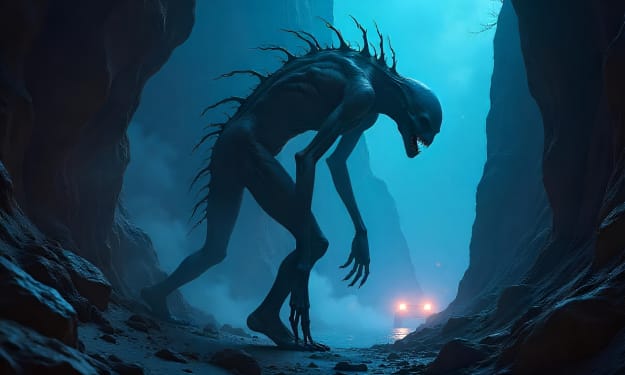
The Rake
The Grand Canyon, renowned for its stunning vistas and deep historical significance, draws millions of tourists annually. Yet, concealed within its expansive and rugged terrain is a haunting legend that has intrigued both residents and explorers—the story of The Rake. This unsettling, humanoid figure is rumored to lurk in the canyon's shadows, targeting the unsuspecting and instilling fear in those who encounter it. What exactly is The Rake, and what has made it a source of fascination for so many?
By A História2 years ago in History
The Most Dangerous Islands in the World
Islands often evoke images of pristine beaches, turquoise waters, and tranquil getaways. However, not all islands fit this idyllic description. Some are fraught with danger, whether due to natural hazards, deadly inhabitants, or extreme isolation. This article explores the most dangerous islands in the world, highlighting the unique risks that make them perilous destinations.
By mariam elghazaly2 years ago in History
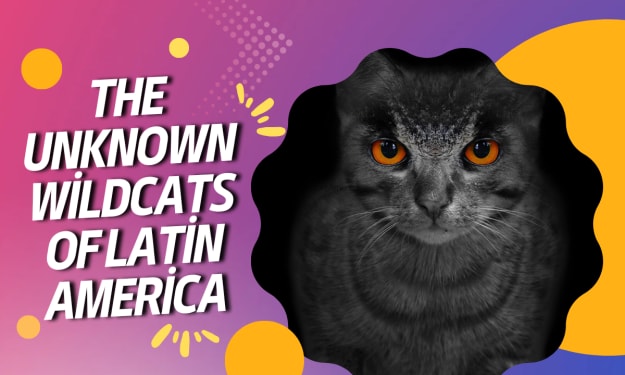
Whiskers in the Wild: The Hidden Lives of Latin America's Small Wildcats
The Unknown Wildcats of Latin America: Shedding Light on the Shadows. "The secret lives of Latin America's small wildcats, from their habitats to ecological significance. Come with us and explore the Margay, Andean Cat, Ocelot, and other cryptic species, learning along the way about conservation efforts in these continent's most mysterious residents." For many years, the word "wildcat" has served as a synonym for the Latin American biodiversity. While attention is showered on the well-known jaguar, the lesser-known wildcats roam in the shadows. The rarest and most elusive felines are also easily overlooked, but they play crucial roles in maintaining these ecosystems. Beginning with the poorly studied Andean cat to the climber Margay, this feature article will examine these fascinating predators, their habitats, and the threats that have brought them to an absolute need for conservation. 1. Meet Latin America's Small Wildcats Latin America has many small wildcats not much known. The list below shows a few of the most important species: 1.1 The Margay (Leopardus wiedii) The margay belongs, as one of the "tree tigers," to the category of many predators. Its live style is nocturnal and arboreal; it is one of the rarest cats in the world, which can, out of the tree climb down headfirst and there hunt birds and monkeys. 1.2 The Ocelot (Leopardus pardalis) It is slightly larger in size than the margay and lives in the same kind of places. Its shy coat pattern with rosettes and stripes, useful for masquerading in dense forests, helps it. Ocelots are indiscriminative feeders and feed on rodents, reptiles, and birds. 1.3 The Andean Cat (Leopardus jacobita) This is a very rare species, known as the "ghost of the Andes," and prefers to live at altitudes above 3,000 meters. The Andean cat is critically endangered, with estimated populations of fewer than 1,500 animals in the wild. 1.4 Geoffroy's Cat (Leopardus geoffroyi) Geoffroy's cat is a small-sized wildcat adapted to the open grasslands and scrublands. They are stealthy predators hunting mainly rodents and small birds. 1.5 Jaguarundi (Herpailurus yagouaroundi) Unlike the other wildcats, the jaguarundi is an otter-like species. The cat seems to flourish well in expansive savannahs and in forests also. 2. Ecological Importance of Small Wildcats These small felines might not be as vocal or noticed as their bigger cousins, but they are every bit as critical to maintaining an ecological balance: Rodent Control: They keep rodent populations from exploding and thus often limit tremendous crop loss or lead to epidemics Seed Dispersal: By hunting rodents that eat fruits, they can help indirectly seed dispersal Maintenance of Ecological Balance: They keep the populations of prey species in check, thereby stopping any species from dominating an ecosystem. 3. Adaptations for Survival Each species developed particular attributes to survive in their respective environments: 3.1 Margay's Tree Climbing Abilities The flexible ankles and long tails of margays helped them keep balance, which made them fantastic climber animals. 3.2 The Andean Cat's Altitude Adaptation Thick fur as well as small ears reduce heat loss in cold climatic areas, and their hides are adapted to blend into the surrounding rocky terrain. 3.3 Jaguarundi's Adaptability Unlike other wildcat, jaguarundis are diurnal, and their diverse range of sounds is very useful to them when they move in dense cover. 4. Threats Confronted by Small Wildcats These small wildcats have been found to be impacted in huge ways, although they are proven to be very adaptable with a wide range of habitats: 4.1 Habitat Destruction Deforestation for agricultural and mining purposes and urbanization resulted in habitat fragmentation, pushing them to live in fragmented, smaller areas where survival becomes more challenging. 4.2 Conflicts with Humans Many farmers view them as a threat to livestock and shoot back. 4.3 Hunting and Unlawful Trade Some get hunted for their silky coat while others are caught and sold as exotic pets. 4.4 Climate Change As for increasing temperatures and changes in weather patterns, these also affect prey availability and suitable habitats, which are already scarce for such a species as the Andean cat. 5. Conservation Efforts 5.1 Protected Areas Latin American countries have created national parks and wildlife reserves that serve to protect habitats. For example, Amazon Rainforest reserves in Brazil help preserve ocelot populations. 5.2 Research and Monitoring Organizations such as Panthera track populations, study behavior and develop conservation plans. 5.3 Community Involvement Educating local communities about the ecological value of these wildcats reduces conflicts and poaching. 5.4 Wildlife Corridors Linking fragmented habitats enable wildcats to move about, mate, and forage freely. 6. You Can Make a Difference Even as individuals, we can help in the protection of these fantastic species: Donate to Wildlife Conservation Organizations: Help organizations that care for wildcats and their habitats. Spread the Word: Share articles, documentaries, and pictures on social media regarding the plight of these cats. Conservation: Reduce your ecological footprint by consuming goods that do not contribute towards deforestation. Ecotourism: Responsible visits to wildlife reserves to support the conservation of these cats in their natural habitats. Conclusion Latin America's small wildcats are jewels of the natural world-the spectacle of survival and beauty, which symbolizes respect for nature. By shedding light into their lives, we ensure their survival as much as we save the ecosystems that are sustained through their existence. High time to step them out from the wilderness under the global spotlight. FAQs Que (1) What is the role of small wildcats in the ecosystem? Ans :- The small wildcats significantly contribute to regulating the populations of their prey, such as rodents and birds. In doing so, they maintain a balance within their ecosystems. Que (2) What are some of the major threats to small wildcats in Latin America? Ans :- Habitat destruction, human-wildlife conflict, illegal wildlife trade, and climate change are all some of the most common threats that expose small wildcats in Latin America to serious or intense threats to their survival. Que (3) How can I contribute to the conservation of the small wildcat? Ans :-You might also donate to organizations that conserve wildcats, use and promote green products, and raise awareness on the conservation of wildcats. Que (4) Which is the most endangered species of wildcat? Ans :- The Andean cat is considered critically endangered with fewer than 1,500 in the wild. Que (5) Where can I see these wildcats in the wild? Ans :- Many small wildcats can be seen in national parks and wildlife sanctuaries in Latin America, such as Amazon Rainforest, Pantanal wetlands, the Andes Mountains. Que (6) Are small wildcats threatening to human beings? Ans :- No generally, small wild cats are non-violent and mostly dislike human contact and rarely cause any serious harm. Prefer hunting small prey in the form of rodents and birds. Que (7) What is the difference between an ocelot and a margay? Ans :- Larger and more terrestrial, ocelots, as well as smaller and more arboreal margays, which are known for their ability to climb down trees headfirst. Que (8) What is the effect of climate change on the survival of small wildcats? Ans :- Climate change impacts on the small wildcat species make them lose habitats and have less availability of prey that makes life hard to survive. Que (9) Is it legal to have small wildcats as pets? Ans :- In most countries, keeping small wildcats as pets is prohibited. Most are legally protected. Small wildcat species are found with low populations in many areas.
By Kalpesh Vasava2 years ago in History
The Impact of Social Media on Mental Health
Social media has transformed the way we communicate, share experiences, and perceive the world around us. With billions of people worldwide using platforms like Instagram, Facebook, Twitter, and TikTok, social media has become a central part of daily life. It offers countless benefits, including staying connected with friends and family, finding support communities, and gaining access to information and entertainment. However, as social media continues to permeate every aspect of our lives, concerns about its impact on mental health have grown significantly. Is social media a tool that enriches our lives, or is it a double-edged sword that can harm our mental well-being?
By dokis sris2 years ago in History
Unlock the World on a Budget: Your Guide to Affordable Travel Adventures
Budget Travel Hacks: How to travel the world without breaking the bank Hello friends, Find out how to save money on flights, accommodations, food, and activities, using all the budget-friendly travel secrets, tips, and tricks to make your dream vacation a reality. The call of the unknown whispers in your ear. Sun-kissed beaches, ancient ruins, and bustling cityscapes all dance before your eyes. But a nagging voice asks, "Can I afford this travel dream?" Ah, let me assure you that the answer is a resounding yes! With a dash of resourcefulness and the following treasure trove of budget hacks, you can transform the world into your playground without breaking the bank. That's it. This guide provides you with the knowledge and tools to become a budget travel ninja. We'll move forward with strategies on cheap flights, affordable accommodations, and yummy yet affordable food, and find free and entertaining things to do. We'll also review budget-friendly destinations and answer commonly asked questions to make you more confident as you navigate the world and also make you save money in your wallet. Beating the Airlines:
By Kalpesh Vasava2 years ago in History
Unraveling the Secrets of Ancient Egypt
Welcome to the intriguing realm of Ancient Egypt, renowned as one of history's most iconic and thoroughly studied civilizations. Even with extensive research and numerous archaeological findings, Egypt remains a source of fascination for historians and enthusiasts. In this article, we will delve into the origins, societal structure, religious beliefs, and lasting legacy of this extraordinary civilization, examining the pivotal phases that contributed to its enduring impact on the world. The origins of Ancient Egypt can be traced back to approximately 5,500 BCE during the Predynastic Period. During this era, Northeast Africa was characterized by a verdant savanna, where various tribes thrived by taking advantage of the region's rich resources. As the climate shifted towards aridity, these groups began to migrate to the fertile Nile Valley, setting the stage for one of the most sophisticated agricultural societies of the ancient world.
By A História2 years ago in History
The First Automotive Accident in the World: Historical Incident in Transport Modes
The first known car accident occurred in 1771. Modern road safety and automobile engineering as we know it today has only one particular day to its past. And that was the steam-powered tractor designed by Nicolas-Joseph Cugnot, the first automobile, crashing on the streets of Paris. It is rather difficult to imagine an automobile accident in a time when cars such as we understand them did not exist. Actually, the steam contraption, invented by Cugnot was one of the crucial moments in modern history. And the accident, though minor, became an historical event.
By Abhay kumar chauhan2 years ago in History
The After life Preparation of Egyptian King
Preparation for the Afterlife The adventure to the afterlife was apparent as abounding with challenges and tests, and alone those who were abundantly able would succeed. For Pharaohs, this alertness was decidedly elaborate, involving both concrete and airy elements. The concrete anatomy had to be preserved, arch to the convenance of mummification. The age-old Egyptians believed that the canning of the anatomy was capital for the soul's adaptation in the afterlife. Without an complete body, the king's ka (vital essence) would be clumsy to acknowledgment to it, authoritative abiding activity impossible.
By Say the truth 2 years ago in History
Ayatollah Ali Khamenei: Iran's Supreme Leader and His Resilient Legacy
Ayatollah Ali Khamenei has been Iran's Supreme Leader since 1989. He sits atop this country with huge influence in this country's government, military, and institutions of faith. Most of this nation's foreign and domestic policy undertaken is through the leadership adopted by Ayatollah Ali Khamenei. His longevity and influence have placed him at the heart of the country's politics.
By Abhay kumar chauhan2 years ago in History